


Ornate Brass Fireguard
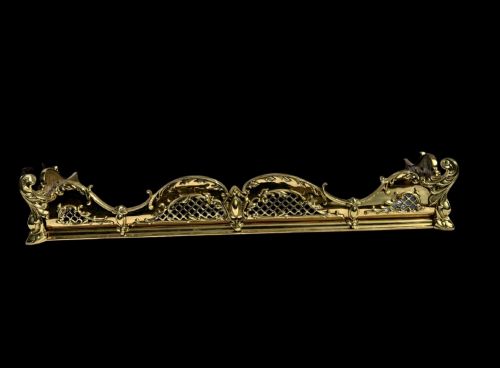
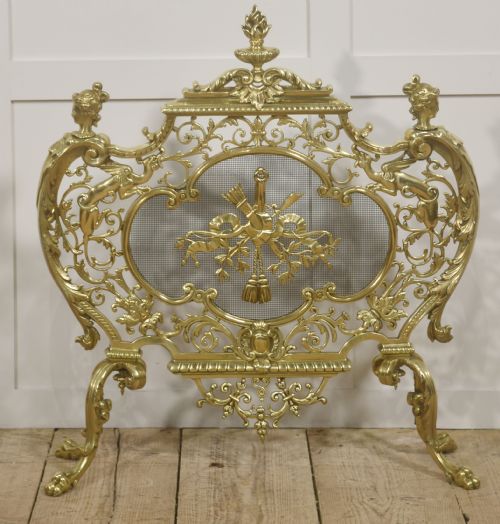
An ornate brass fireguard brings architectural flourish to a hearth, combining heavy cast metalwork with delicate mesh screens to protect the room from stray embers.

Ornate Brass Fireguard
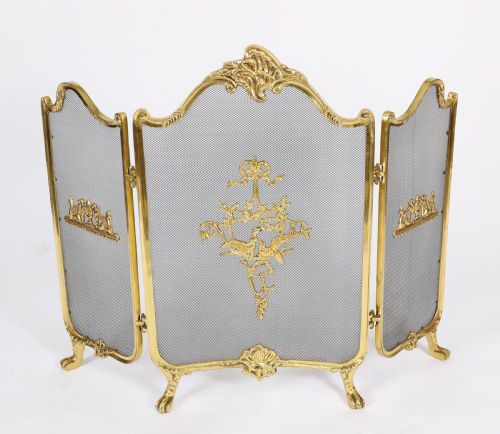
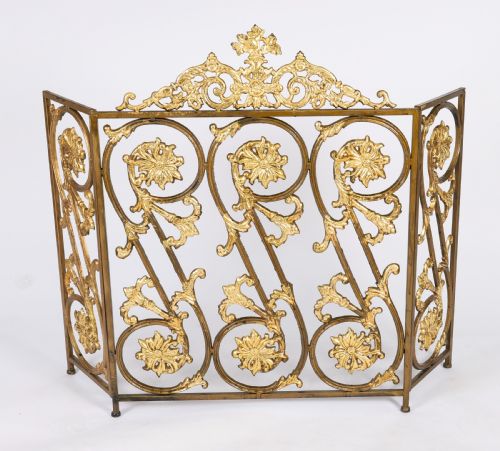
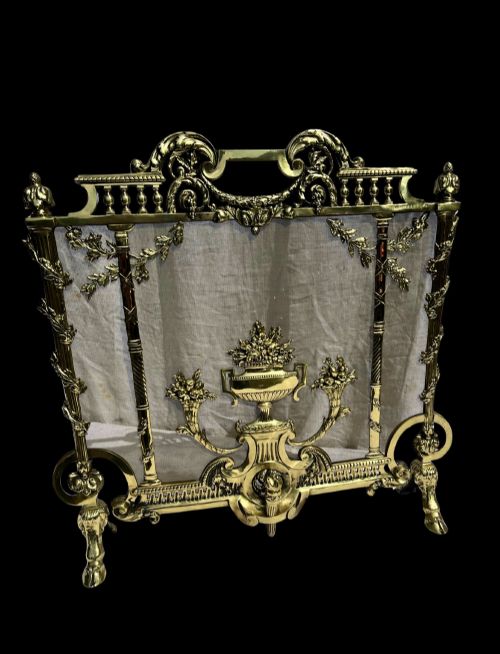
When you search for an ornate brass fireguard, you encounter an array of hearth furniture designed during the nineteenth century and the early twentieth century. These pieces primarily take the form of folding fire screens, spark guards, and extending hearth fenders.
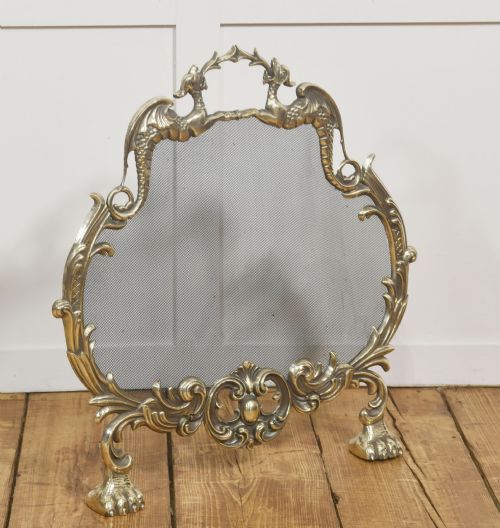
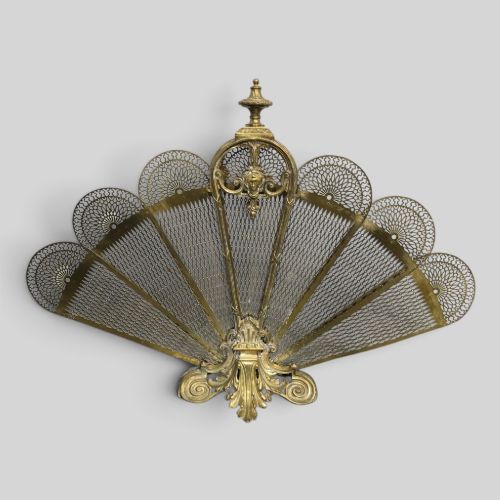
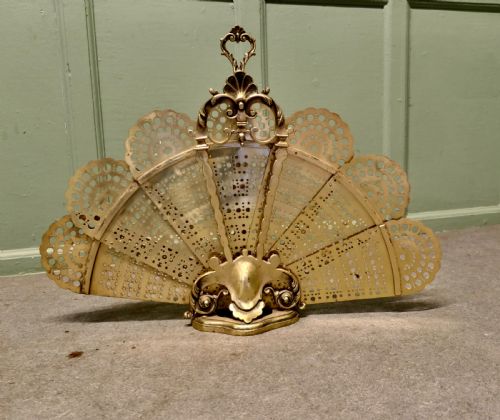
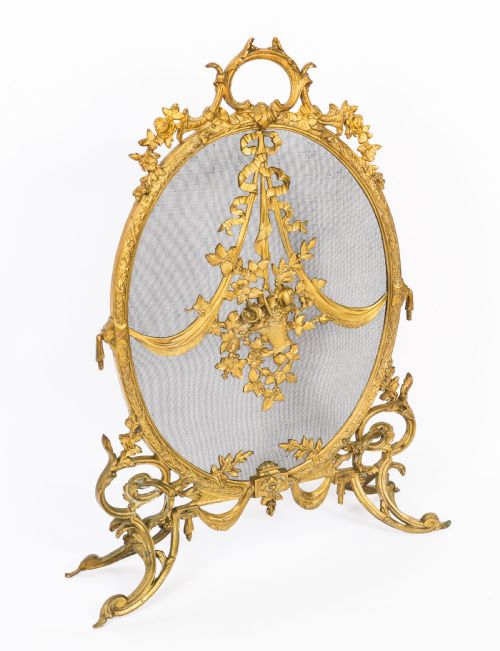
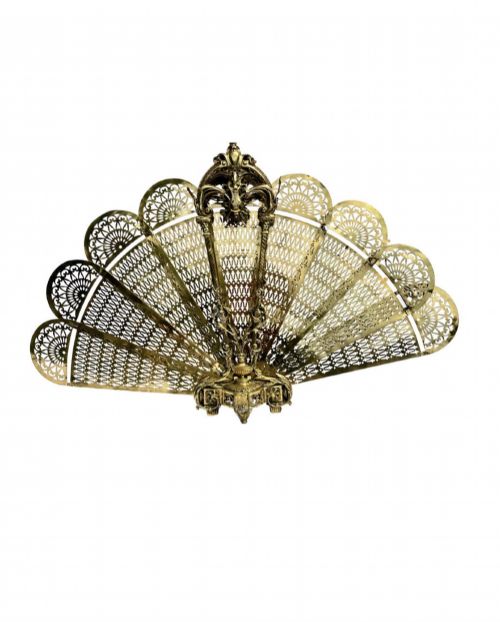
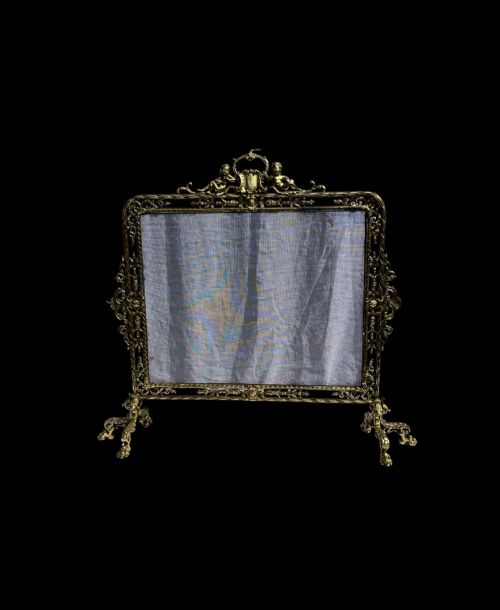
The selections on this page heavily feature French designs alongside Victorian English examples. French Rococo revival and Louis style screens dominate the offerings, often incorporating folding panels or peacock tail configurations.
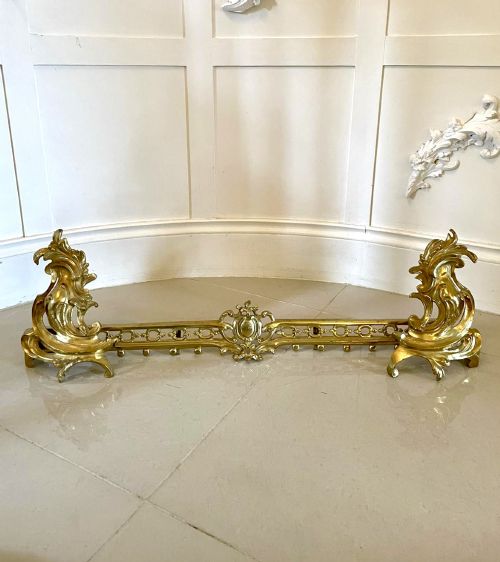
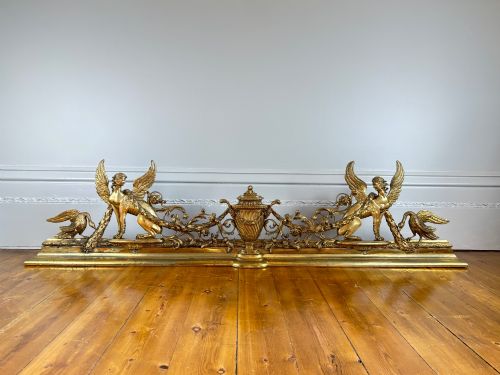
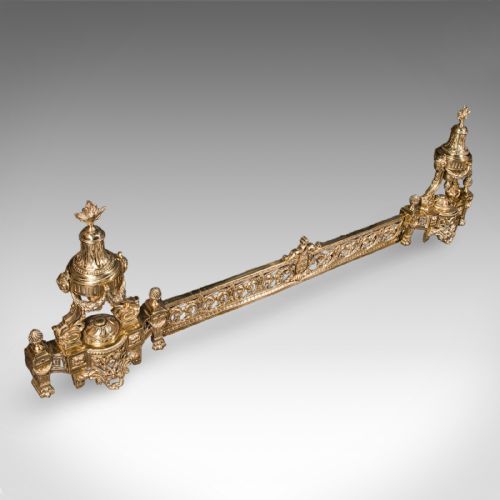
Beyond folding screens, the category encompasses solid brass and cast iron fire curbs and fenders. These heavier hearth pieces range from simple adjustable rails to ornate pierced brass assemblies.
How they were made
Craftsmen utilised brass, cast brass, and gilt bronze, often known as ormolu, to create the decorative frames and heavy bases. Wire mesh and perforated metal plates were integrated into the design to contain sparks while maintaining visibility of the fire.
Techniques combined heavy sand casting for structural fender components with delicate piercing and chasing for the screen panels. Gilt finishes and applied bronze work added rich surface texture to the underlying brass structures.
Ornate Brass Fireguard Retail Price Guide 2026
Typical asking prices for ornate brass fireguard among the pieces listed under this phrase on Sellingantiques today, from the lower quarter to the upper quarter. They describe what is for sale here now, not the wider market.
Several folding screens mimic exotic plumage, ensuring your hearth maintains a permanent mechanical peacock even in the dead of winter.
What varies in quality
Quality rests upon the crispness of the casting and the weight of the metal utilised. Heavier bronze and thick cast brass elements demonstrate superior longevity compared to lighter stamped sheet alternatives.
The refinement of the chasing and the complexity of the revival style distinguish finer workshop output. Intricate openwork piercing and well-engineered folding mechanisms denote higher tier manufacture.
E F Caldwell New York
The Ornate Brass Fireguard Glossary
- Fire screen
- A movable decorative panel placed before a fireplace to hide the unlit grate or block radiant heat. These items often feature folding panels or wire mesh.
- Fender
- A low metal guard placed on the hearth around the base of a fireplace to contain rolling logs and ash. They range from simple adjustable bars to heavily ornamented brass curbs.
- Ormolu
- Gilded bronze applied to ornamental metalwork and decorative objects. This technique creates a rich gold-coloured surface finish on cast bronze frames.
- Peacock screen
- A folding spark guard whose radiating metal blades open like a tail. This particular form became popular during the Victorian period for summer fireplace decoration.
- Rococo revival
- A nineteenth-century design movement characterised by asymmetrical scrolls, asymmetrical plant motifs, and shell work. This aesthetic heavily influences ornate French fire screens.
Ornate Brass Fireguard: Frequently Asked Questions
How do folding peacock screens operate?
Peacock screens utilise a series of overlapping metal blades that pivot from a central base. When closed, they occupy minimal space against the hearth.
Opening the handle fans the blades outward into a semi-circle of protective mesh. This design provides expansive coverage for the fireplace opening while remaining compact when stored.
Are these guards suitable for modern open fires?
Many historic guards incorporate wire mesh specifically designed to catch sparks and burning embers. They function effectively with contemporary solid fuel hearths.
However, one must check the stability and dimensions of antique frames before regular use. Heavier cast brass fenders and sturdy spark screens handle active fires better than delicate decorative folding panels.
How do I identify a French Rococo revival piece?
French Rococo revival pieces display characteristic C-scrolls, floral motifs, and asymmetrical cartouches cast into the brass or gilt bronze frame. The metalwork often exhibits high relief casting and naturalistic plant forms.
Makers frequently incorporated gilt bronze or ormolu finishes on these screens during the nineteenth century. The overall aesthetic prioritises ornate curves over rigid symmetry.