


Brass Spark Guard
When you search for a brass spark guard, you are looking at functional metal hearth furniture designed to catch embers and protect a room.

Brass Spark Guard
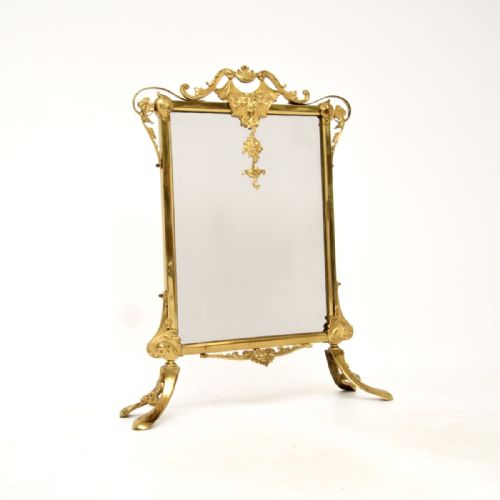
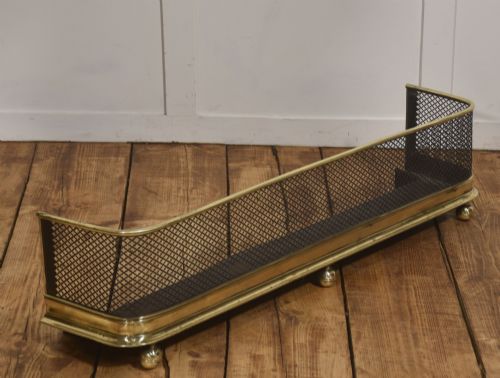
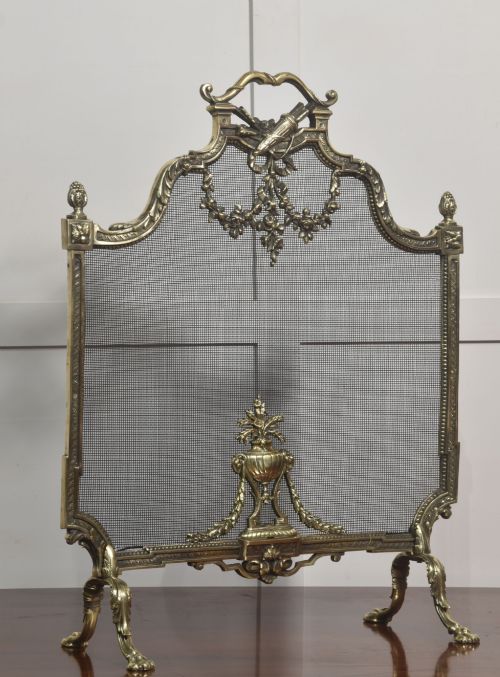
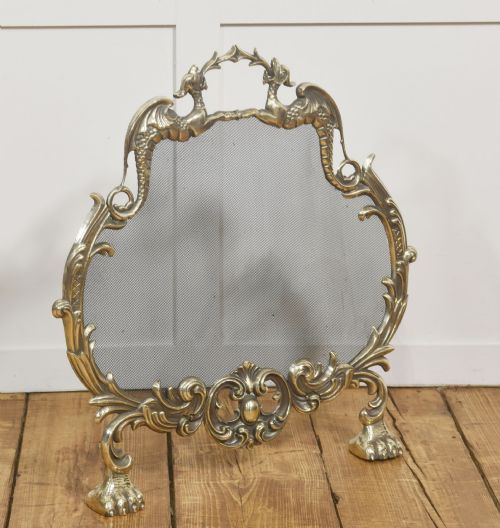
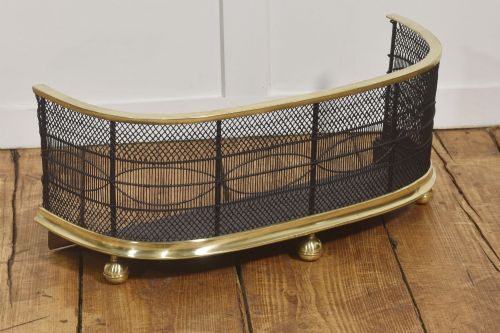
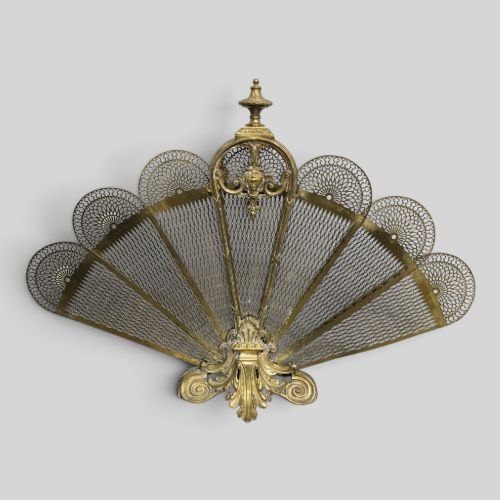
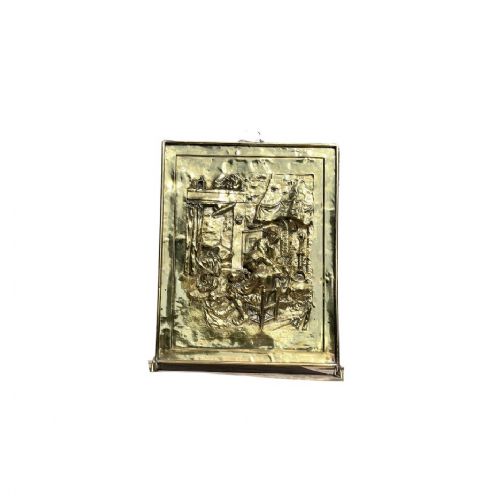
A brass spark guard acts as a protective barrier placed in front of an open hearth to contain embers and stray sparks. These items appear in various forms, including folding mesh panels, solid frames, and expansive nursery fenders.
Most examples encountered here originate from the nineteenth and early twentieth centuries. Common regional variations include ornate French rococo designs alongside simpler domestic British wirework and nursery guards.
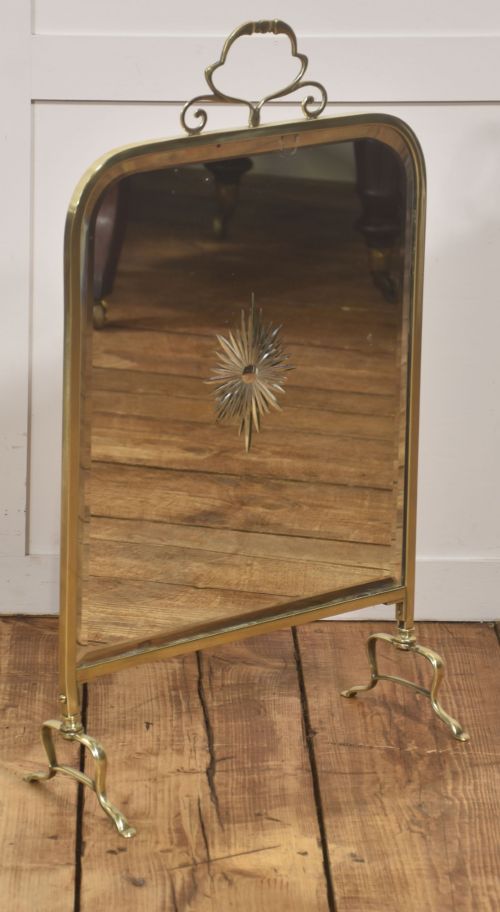
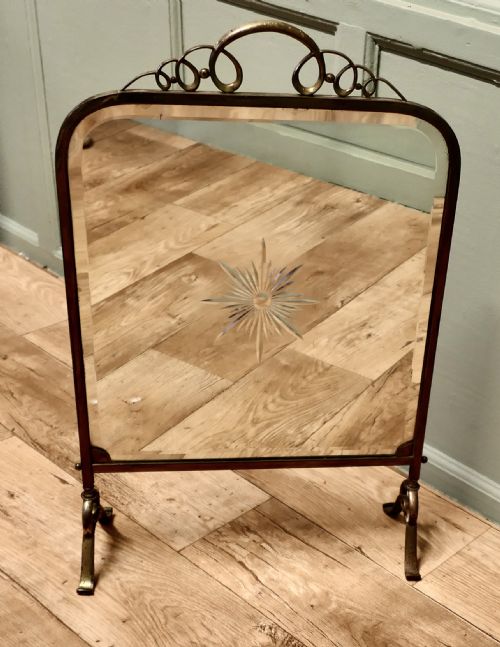
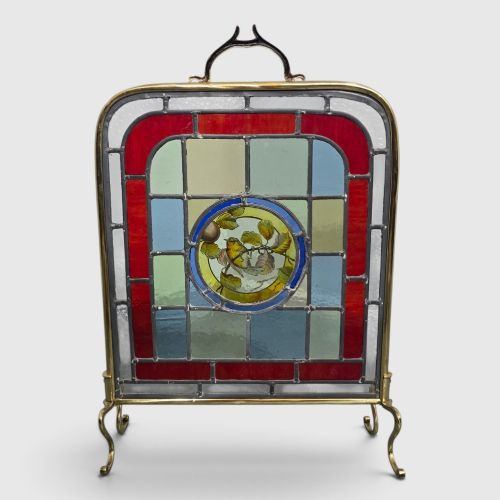
Makers utilised brass frames paired with iron, wire mesh, or glass inserts to balance weight with visibility. Objects span multiple revival styles, reflecting the decorative tastes of the Victorian, Edwardian, and Regency periods.
How they were made
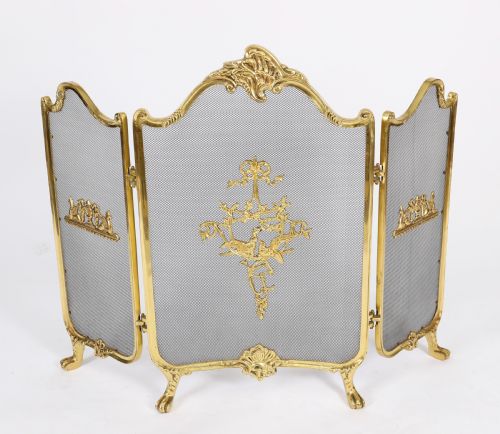
Workshops combined sheet brass and cast bronze with sturdy iron or steel mesh to construct durable fire guards. Many decorative French examples incorporate gilt bronze or ormolu mounts fixed to pierced brass panels.
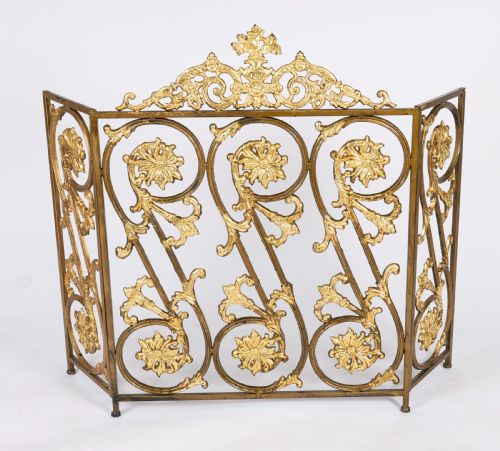
Artisans employed chasing, embossing, and piercing techniques to adorn frames with floral trophies, coats of arms, and classical motifs. Folding sections utilise hinged joints that allow the screen to expand or contract around the hearth.
Brass Spark Guard Retail Price Guide 2026
Typical asking prices for brass spark guard among the pieces listed under this phrase on Sellingantiques today, from the lower quarter to the upper quarter. They describe what is for sale here now, not the wider market.
Materials record a mix of brass, wire mesh, iron, gilt bronze, glass, and mirror panels across various fire screen configurations.
What varies in quality
The weight and thickness of the brass frame separate standard utility guards from finer decorative pieces. Thicker cast bronze mounts and tightly woven wire mesh indicate superior construction.
Depth of detail in chased or embossed ornamentation distinguishes workshop output. Crisp casting lines on French rococo revival or empire revival screens show greater artisan skill than mass-produced domestic wirework.
The Brass Spark Guard Glossary
- Spark guard
- A protective screen placed before an open fireplace to stop flying embers. These items typically feature mesh or wire panels.
- Nursery fender
- An enclosed barrier surrounding the hearth to keep children and pets at a safe distance from the fire. They often include a raised rail.
- Ormolu
- Finely ground high-carat gold applied to a bronze or brass object using mercury amalgamation. This technique creates a rich decorative surface.
- Chasing
- The art of indenting metal with a hammer and punch to create surface patterns. Artisans use this method to add texture and detail to brass frames.
Brass Spark Guard: Frequently Asked Questions
What is a brass spark guard used for?
A brass spark guard provides a physical barrier between an open fire and the room it heats. It stops spitting embers from damaging flooring or upholstery.
Beyond safety, these pieces serve a decorative purpose when the hearth is unlit. Folding fan designs and ornate frames dress empty fireplaces during warmer months.
How do I identify a Victorian spark guard?
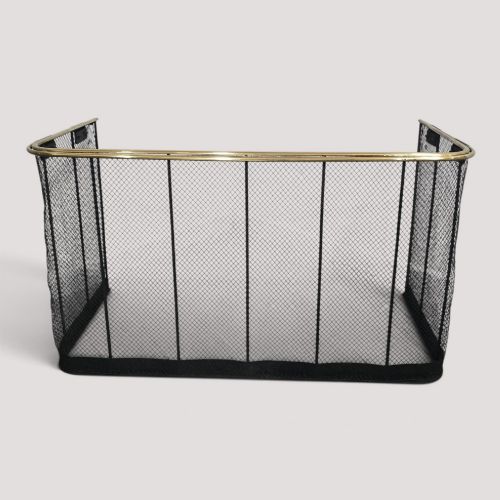
Victorian examples often feature heavy brass wire mesh combined with sturdy iron frames. You will frequently find them built as low nursery fenders designed to encircle the hearth.
Stylistic cues include robust construction and utilitarian forms alongside later aesthetic movement or arts and crafts detailing.
Are French fire screens different from British ones?
French fire screens tend to display elaborate rococo revival, empire revival, or louis style ornamentation. They often incorporate gilt bronze, ormolu, and intricate cast trophies.
British examples focus more on practical wirework, folding fan shapes, and sturdy nursery protection. They generally favor simpler brass frames over heavy gilt mounts.
How do folding fan screens work?
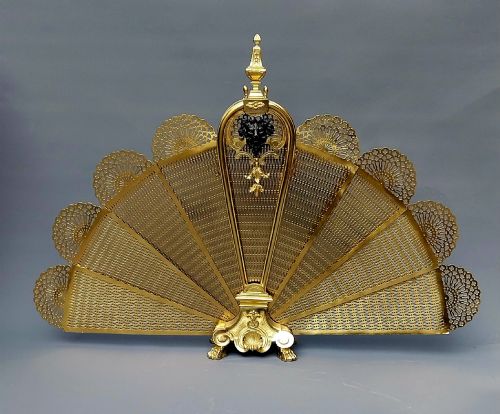
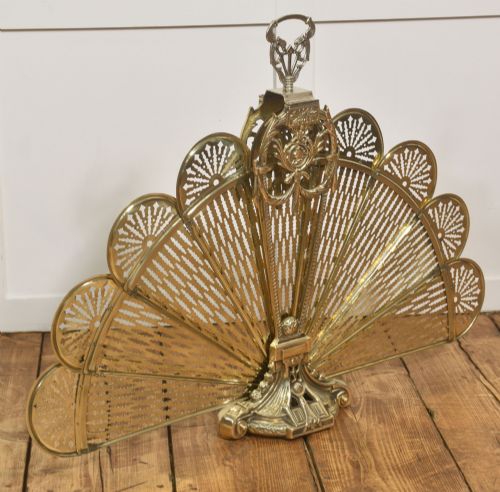
Folding fan screens use pivoting metal vanes that spread outward into a wide semicircle. This allows the guard to cover a hearth opening and fold flat for storage.
Many of these utilise peacock feather motifs in the brass shaping. The segments move on a central pivot pin at the base.