



Freestanding Fire Screen
These freestanding fire screen pieces combine practical hearth protection with striking period design, making them essential for finishing a fireplace.
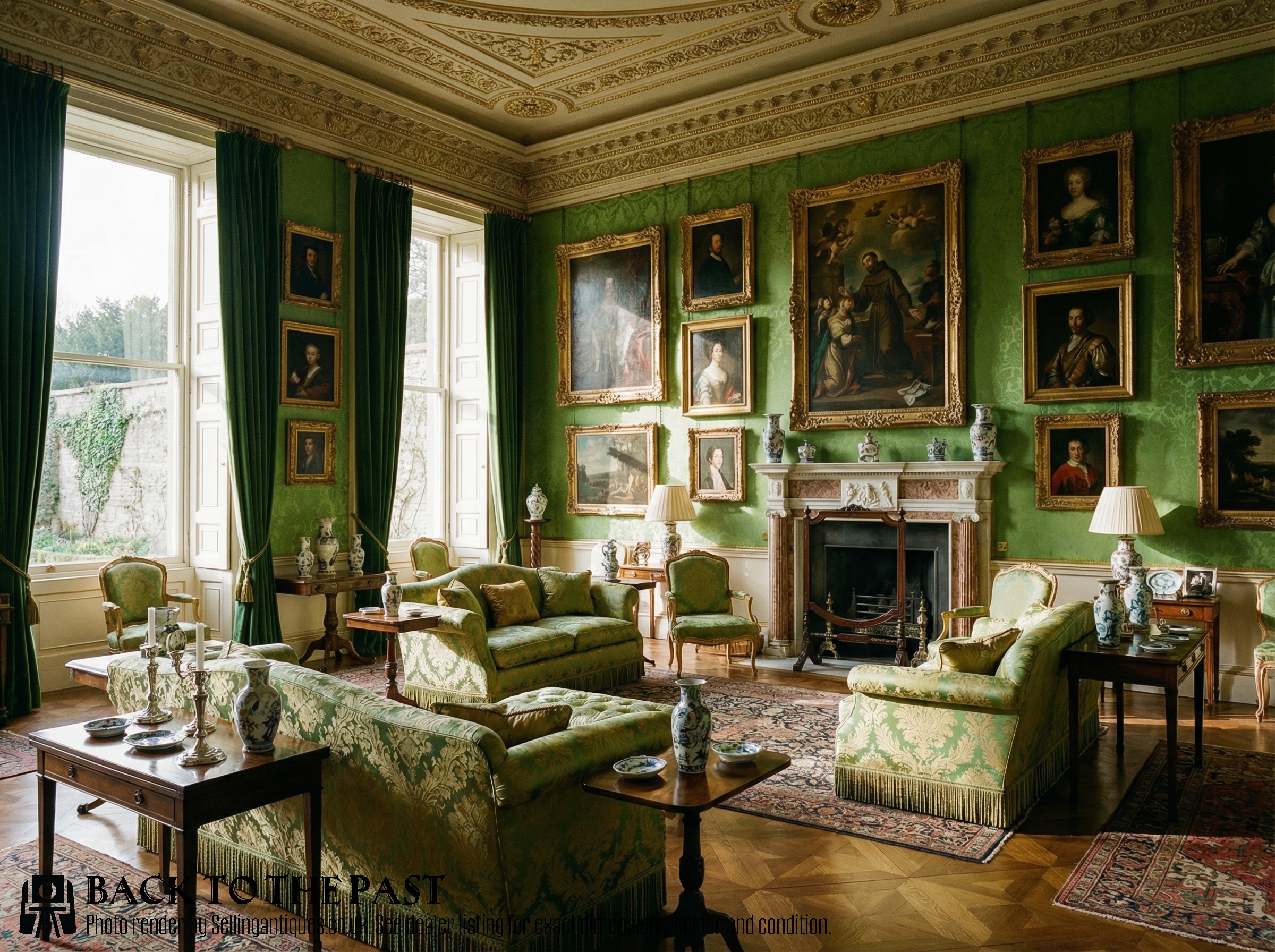
Freestanding Fire Screen
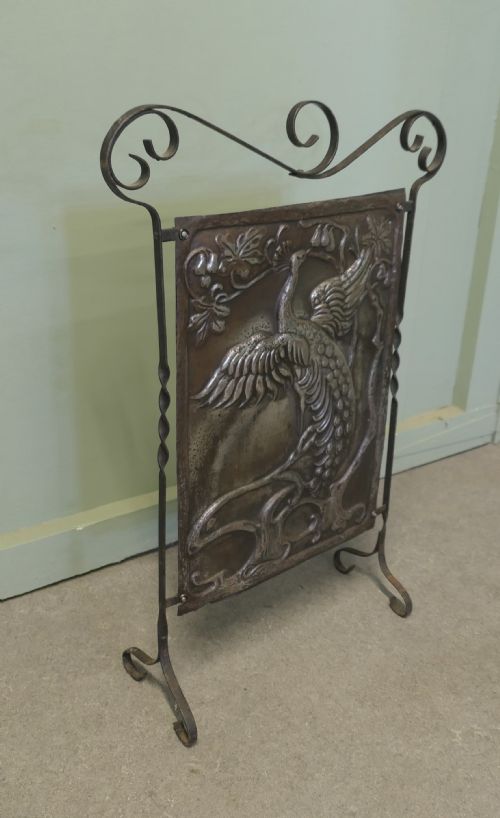
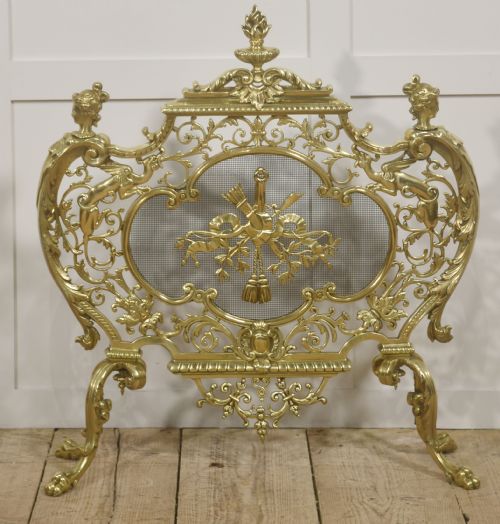
A freestanding fire screen provides a decorative barrier in front of an unlit fireplace while keeping the room safe from stray embers. The pieces seen here span the nineteenth century into the early twentieth century, taking forms such as standard fire screens, spark guards, table screens, and mirror screens. Victorian examples often feature ornate brass, carved wood, or glass panels, while later pieces adopt simpler iron or copper constructions.
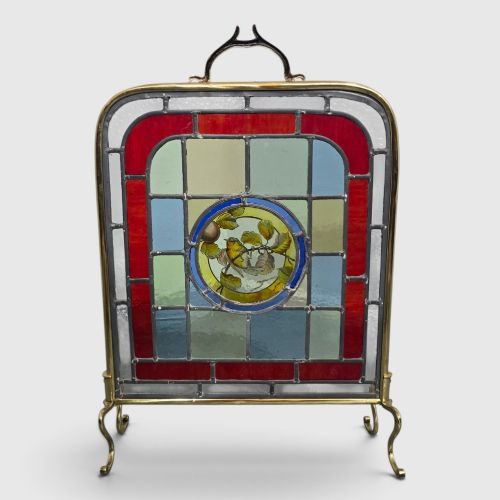
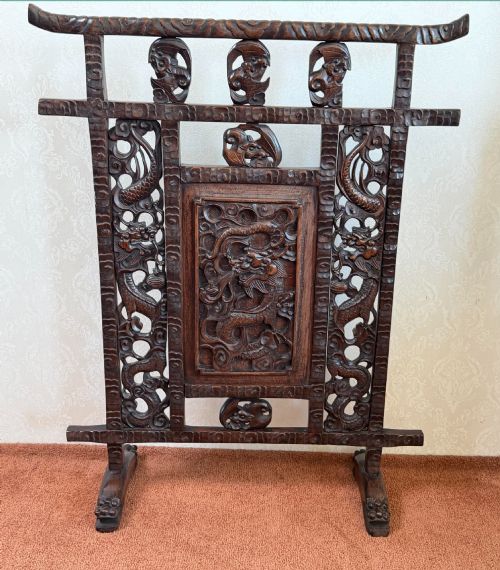
The styles range from Gothic Revival and French Rococo to Arts and Crafts and Art Nouveau, alongside hardwood items influenced by Qing Dynasty design. Buyers are most likely to meet brass and wrought iron versions, frequently incorporating stained glass, mirror glass, or embroidered woolwork panels. Each variation reflects the changing interior tastes of its period, moving from heavy ornamentation toward cleaner, handicraft-focused designs.
How they were made
Makers utilised metals such as brass, wrought iron, copper, and cast iron to build the rigid frames and protective spark guards. Pierced brasswork, forged iron, and polished finishes require skilled metalworking techniques, particularly when shaping intricate scrollwork or peacock designs. Heavy frames often incorporate stability feet to ensure the screen stands securely on a hearth.
Insets of glass, stained glass, lead, and mirror glass demand precise glazing methods, while textile elements like woolwork panels rely on traditional needlecraft. Wooden frames in oak, walnut, or Chinese hardwood are joined using period cabinetmaking methods to support heavier glass or metal inserts safely.
Freestanding Fire Screen Retail Price Guide 2026
Typical asking prices for freestanding fire screen among the pieces listed under this phrase on Sellingantiques today, from the lower quarter to the upper quarter. They describe what is for sale here now, not the wider market.
Several iron screens proudly double as spark guards, ready to catch stray embers with Victorian thoroughness.
What varies in quality
The distinction between standard domestic items and finer examples lies in the depth of hand-craftsmanship and the ambition of the design. Pierced brass work with crisp detailing and substantial weight demonstrates superior metal casting, whereas lighter pieces rely on simpler stamped construction. The choice of materials also divides the range, distinguishing simple iron guards from elaborately carved hardwood or combined brass and mirror panels.
Design execution determines the visual success of a piece, separating straightforward utilitarian guards from artistic statements in the Arts and Crafts or Art Nouveau style. The integration of specialised components like stained glass or needlework panels shows the maker's care and the higher tier of production within these dates.
The Freestanding Fire Screen Glossary
- Spark guard
- A fine metal mesh or screen designed specifically to stop hot embers from escaping the hearth into the room. These functional items often double as decorative fireplace accessories.
- Arts and Crafts
- A design movement emphasising handcraft, traditional materials, and simple utility over mass production. Pieces in this style frequently display exposed copper, oak, and stylized natural motifs.
- Art Nouveau
- A decorative style characterised by flowing, organic lines and plant-inspired asymmetry. In these screens, it appears in fluid metal frames and decorative mirror designs.
- Gothic Revival
- An architectural and decorative style drawing on medieval ecclesiastical forms. Items from this tradition display pointed arches, heavy ironwork, and structural solemnity.
- Woolwork panel
- A textile insert worked in needlepoint or embroidery, often mounted behind glass within a wooden frame. These panels bring domestic handcraft into the design of the hearth.
Freestanding Fire Screen: Frequently Asked Questions
What is a freestanding fire screen used for?
A freestanding fire screen stands in front of a hearth to block residual heat and stop stray embers from reaching the room when a fire burns low. During warmer months, it serves as an ornamental screen to hide an empty fireplace opening.
These pieces provide a decorative focal point for a living space, combining practical safety with period craftsmanship in brass, iron, or wood.
How do I date a brass fire screen?
Dating relies on examining the manufacturing techniques, materials, and prevailing design styles present in the piece. Victorian examples often lean towards heavy cast brass and ornate Rococo revival scrolls, while later nineteenth-century items adopt stricter Gothic or cleaner Arts and Crafts lines.
Looking at the construction methods, such as the type of fixings and the finish of the metal, helps place the screen within the nineteenth or early twentieth-century timeline.
Are iron fire screens heavy?
Many wrought iron and cast iron fire screens possess considerable weight to ensure they remain stable on the hearth. Heavy construction was standard for pieces intended to function as robust spark guards.
This solid build quality prevents the screen from tipping over easily if bumped, though lighter decorative table screens and framed glass versions exist for purely aesthetic placement.
How do I style a fire screen in a modern room?
A period fire screen works well as a sculptural element against a plain hearth, introducing texture through materials like polished brass, hammered copper, or leaded glass. It bridges contemporary decor with historical character.
Positioning the screen in front of an unused fireplace adds depth to the room, drawing the eye to the craftsmanship of the metalwork or the colour of the embedded glass and woolwork panels.