


Wrought Iron Fire Screen
A wrought iron fire screen stops the fierce draught while framing the hearth with forged metalwork.
What these wrought iron fire screens are
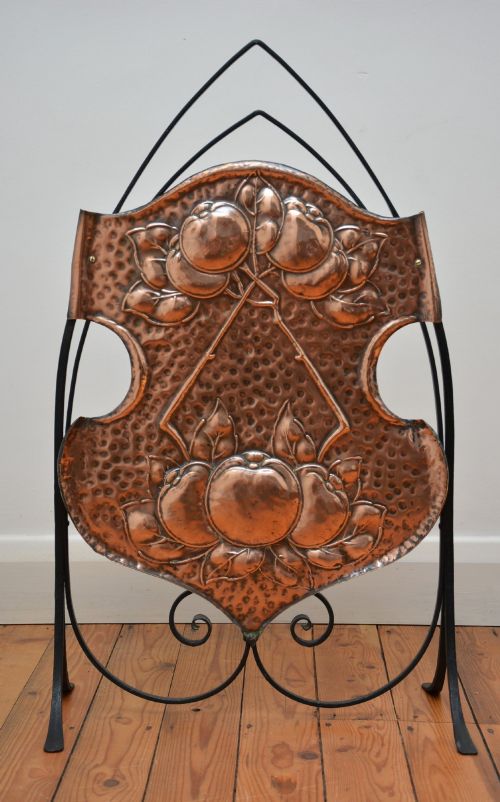
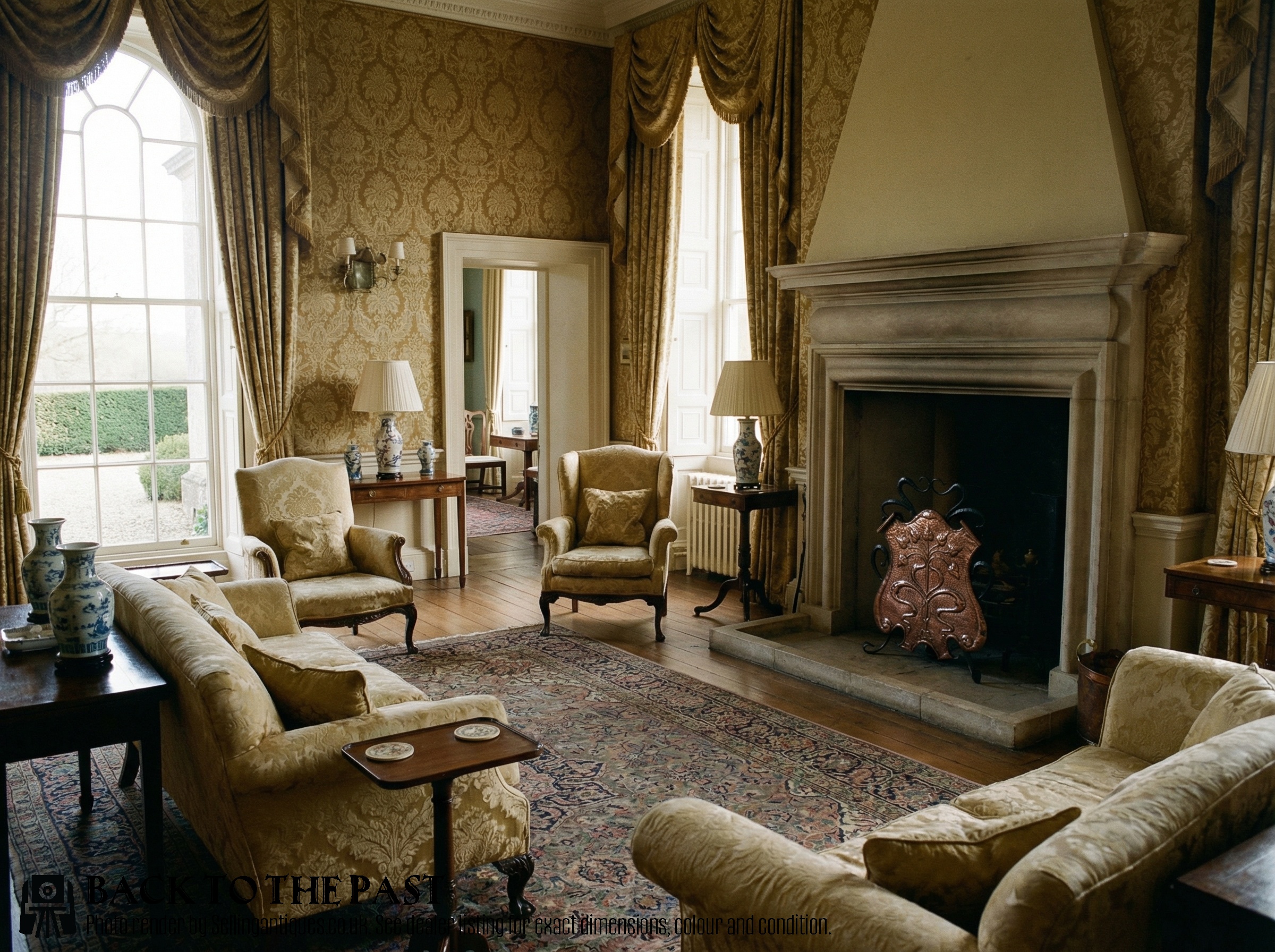
A wrought iron fire screen serves as a physical barrier before the grate, protecting the room from spitting embers while the hearth is unlit or banked down. These pieces appear across several distinct periods in the record, running from the Regency era and the nineteenth century through to the 1920s and 1930s.
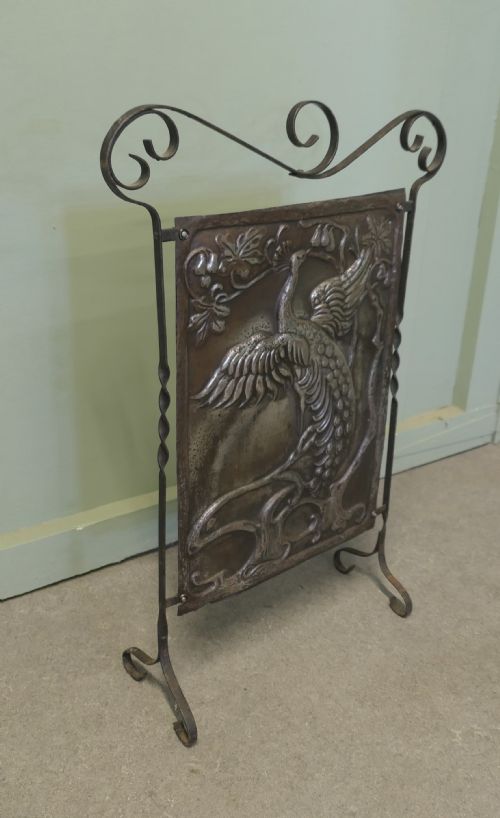
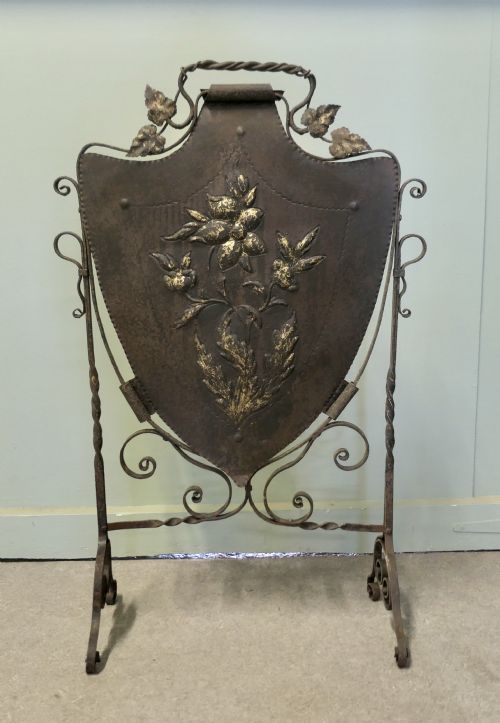
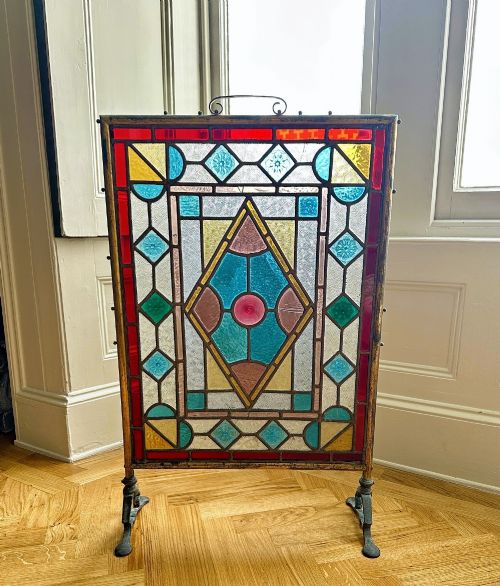
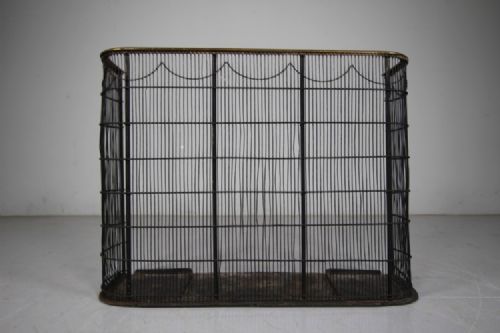
The forms vary considerably across the selection, ranging from simple wirework and adjustable arched frames to fan-shaped designs and substantial Gothic guards. Makers adapted the ironwork to house other materials, incorporating glass panels, lead, brass, wire mesh, steel mesh, and inset tiles into the forged framework.
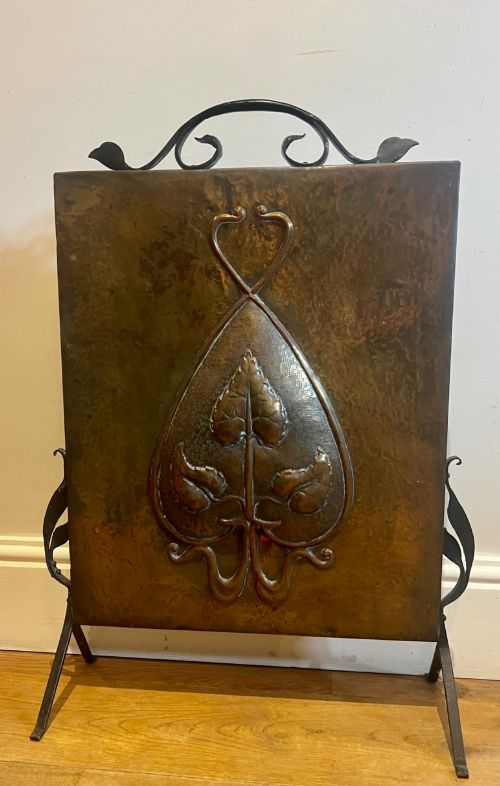
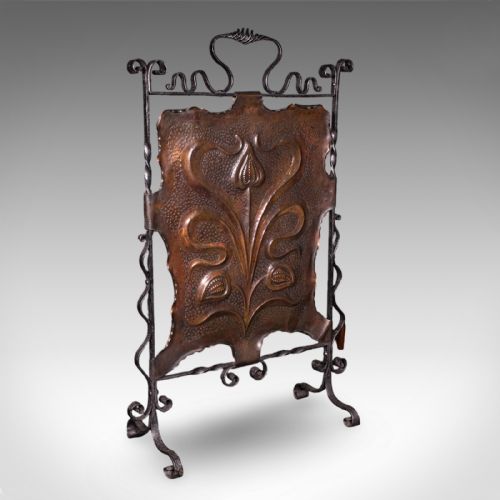
Stylistic influences follow the prevailing tastes of their respective eras, with Regency examples sharing space with Gothic Revival pieces and numerous Arts and Crafts and Art Nouveau interpretations. Copper panels frequently appear combined with the iron, sometimes housing mirrors or decorative inserts within the metal structure.
How they were made
The primary structure relies on iron and wrought iron, worked by hand into rigid frames, scrolls, and supporting feet. Blacksmiths shaped the metal while hot, hammering joints and riveter plates together to withstand the intense heat of an active fireplace.
Secondary metals such as copper and brass appear as sheet infills or decorative overlays, often beaten with textures or repoussé motifs. Glass, lead, and wire or steel mesh complete the screens, secured within the iron armatures to block sparks while maintaining transparency or airflow.
Retail Price Guide 2026
Typical UK retail prices for wrought iron fire screen, calculated from the Sellingantiques database of over a million retail prices indexed since 2003. This retail price guide relies exclusively on Sellingantiques data; no external sources or auction records are used, so the figures do not describe the wider market.
At least one screen comes complete with eighteen-century manganese Delft tiles embedded in the ironwork.
What varies in quality
The distinction between standard utility guards and finer decorative pieces rests in the weight of the ironwork and the complexity of the forging. Heavier gauge metal and estate-made or hand-forged details demonstrate a more ambitious construction than lighter commercial wirework.
Material integration also separates the tiers of production, seen in the transition from plain mesh guards to screens featuring stained glass, manganese Delft tiles, or integrated mirror plates. The harmony between the iron frame and its decorative infill dictates the visual success of the piece.
The Wrought Iron Fire Screen Glossary
- Wrought iron
- Iron that has been heated and hammered into shape by hand, distinguished by its fibrous texture and resilience. This material forms the structural skeleton of every screen in the record.
- Mesh
- A woven network of wire or steel fitted into the frame to catch sparks. This component allows heat to radiate into the room while maintaining a safety barrier.
- Repoussé
- A metalworking technique where the sheet metal is hammered from the reverse side to form a raised design in relief. This method frequently decorates the copper panels found on Arts and Crafts examples.
- Gothic Revival
- A nineteenth-century design movement drawing inspiration from medieval architecture and ornament. Pieces from this style often feature pointed arches, heavy tracery, and dark iron finishes.
Frequently Asked Questions
How do I use a fire screen?
Place the screen directly in front of the fireplace opening when the fire is dying down or when the hearth is empty during warmer months. It acts as a physical shield against stray embers and dresses the fireplace as a focal point.
Ensure the feet of the screen rest evenly on the hearth floor so the heavy iron frame remains stable and balanced against accidental bumps.
Can I use these with an active fire?
Most of these screens are designed to contain sparks and moderate radiant heat, particularly those fitted with heavy iron wire or steel mesh. Glass or mirror panels require careful placement to avoid thermal shock from roaring flames.
Use lighter wirework guards for active open fires, while delicate stained glass or mirror screens suit unlit fireplaces or gas grates where heat is controlled.
How do I tell Arts and Crafts from Art Nouveau?
Arts and Crafts pieces emphasise visible hand-forging, honest construction, and straightforward materials like hammered copper and plain iron. They often feature geometric or medieval-inspired motifs.
Art Nouveau screens favour flowing, organic lines, asymmetrical plant motifs, and whipped curves in the ironwork, frequently paired with polished copper sheet.
How do I clean wrought iron?
Dust the iron frame regularly with a soft, dry cloth to prevent soot and ash accumulation from settling into the grain of the metal. Avoid harsh chemical cleaners that strip the protective finish.
If rust appears, remove it gently with fine wire wool and apply a light coat of microcrystalline wax to protect the surface from further moisture.