



Art Nouveau Fire Screen
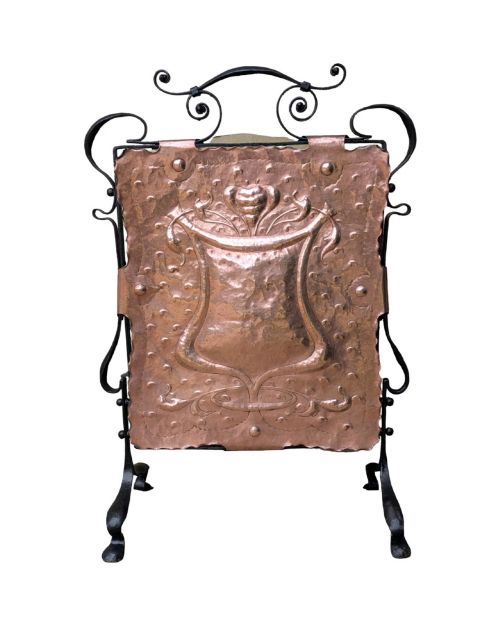
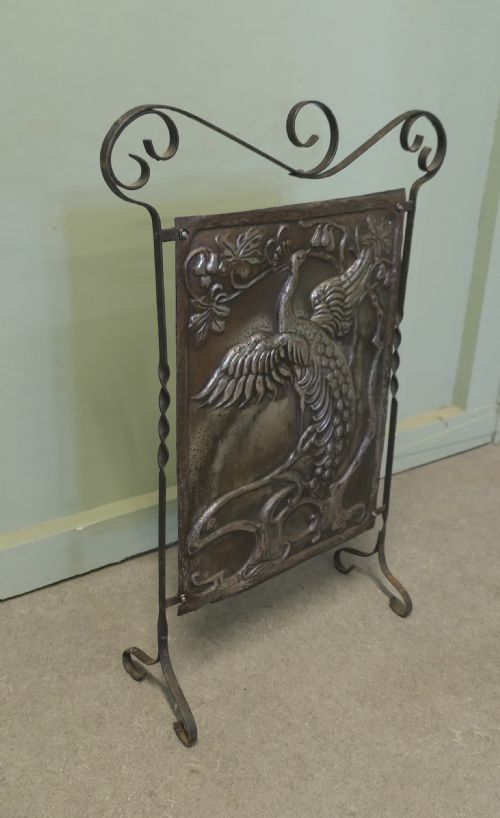
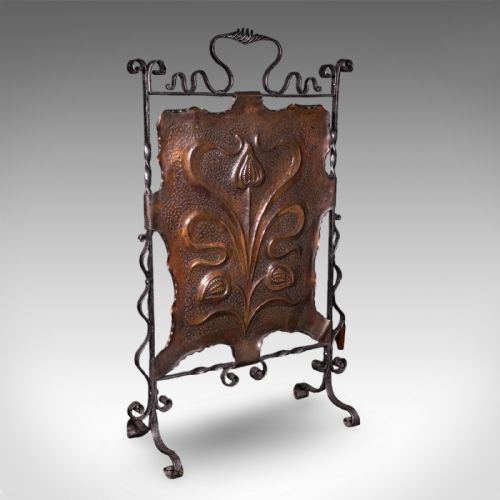
These art nouveau fire screen examples combine metalwork and glass to protect a room while softening an unlit hearth.
Art Nouveau Fire Screen
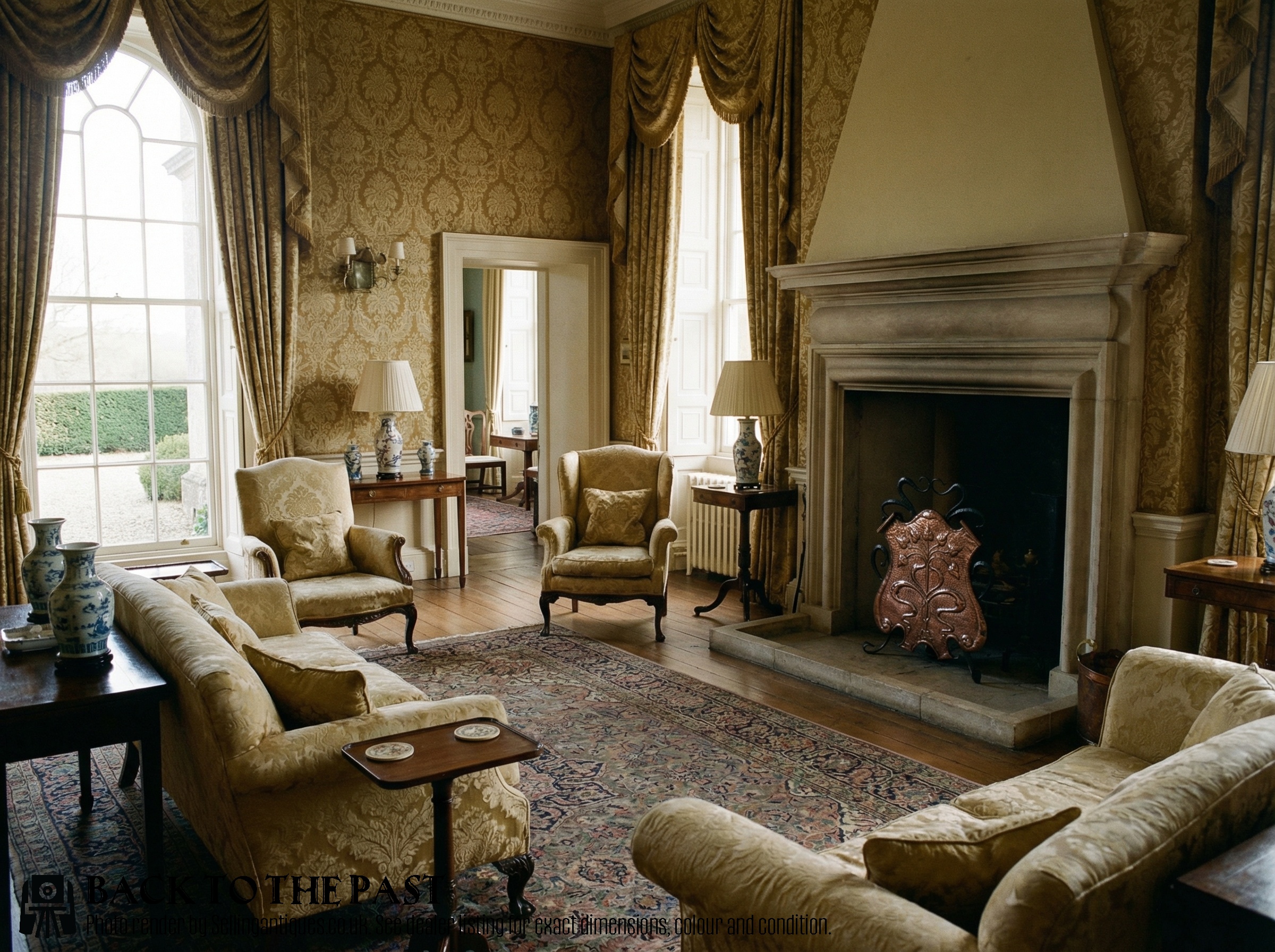
An art nouveau fire screen stands before an idle fireplace as a decorative accessory during warmer months. These pieces serve primarily to shield the room from draughts and mask the dark recess of the hearth when no fire burns.
The versions met most frequently on this page originate from the Victorian period and around nineteen hundred. They integrate metal frames with panels of glass, mirror, or beaten metal.
Forms span simple upright guards to three-fold screens and fireplace reflectors. Many blend stylistic elements of the Arts and Crafts movement with sinuous continental motifs.
How they were made
Makers utilised metals such as copper, brass, iron, and wrought iron for the structural frames and decorative panels. Metalwork often shows hand-beating, repoussé technique, or polished finishes that catch the flickering light of a room.
Panels incorporate glass, mirror glass, leaded glass, and painted glass, sometimes combined with wooden elements like walnut and textile inserts such as silk embroidery. Iron components provide sturdy support whilst softer metals and brass accents carry the flowing botanical motifs.
Art Nouveau Fire Screen Retail Price Guide 2026
Typical asking prices for art nouveau fire screen among the pieces listed under this phrase on Sellingantiques today, from the lower quarter to the upper quarter. They describe what is for sale here now, not the wider market.
Listings feature items dated to the Victorian period, eighteen ninety, and nineteen hundred, utilising wrought iron, copper, brass, iron, glass, and mirror glass.
What varies in quality
The distinction between standard production and finer examples rests upon the ambition of the metalwork and the integration of materials. Hand-hammered copper with detailed repoussé work or leaded glass panels demonstrates greater artisanal engagement than simple stamped sheet brass.
Construction robustness defines the enduring appeal of each piece, particularly where heavy iron frames meet delicate mirror glass or glass inserts. The sophistication of the design, such as peacock motifs or complex framing, separates ordinary guards from striking focal points.
Liberty of London
The Art Nouveau Fire Screen Glossary
- Repoussé
- A metalworking technique where the metal is hammered from the reverse side to form a raised design in relief. This method creates the flowing organic contours typical of the period.
- Wrought iron
- Iron that has been heated and shaped with tools by a blacksmith rather than cast in a mould. It provides a durable and characterful frame for lighter metal panels.
- Jugendstil
- The continental European manifestation of the Art Nouveau style, originating in Germany. Pieces carrying this classification display distinct stylistic ties to foreign workshops.
- Fireplace reflector
- A polished metal panel designed to reflect light from the room or an expiring fire into the hearth space. These items double as ornamental screens during summer months.
- Cabochon
- A convex, polished gemstone or glass insert left unfaceted. They appear set into metal frames to add colour and texture to the surface.
Art Nouveau Fire Screen: Frequently Asked Questions
What is an art nouveau fire screen?
An art nouveau fire screen is a decorative metal and glass guard placed in front of a fireplace. It hides the empty grate and hearth when a fire is not burning.
These pieces combine functional metal frames with artistic panels featuring organic lines and natural motifs characteristic of the late nineteenth and early twentieth centuries.
How were fire screens used?
They were positioned in domestic hearths primarily during the spring and summer months. Their purpose was to block draughts and provide an attractive focal point in the room.
Some designs also functioned as reflectors to bounce ambient light around the space when the fireplace was empty.
Where do these pieces originate?
The pieces seen here date from the Victorian era around eighteen ninety to nineteen hundred. They reflect British Arts and Crafts traditions alongside continental European influences.
Materials and construction methods point towards workshops producing domestic metalwork during the height of the style.
How do you live with them?
Place the screen directly against the fireplace opening to conceal the grate and add texture to the room. Ensure stable placement on flat flooring, especially with heavier iron and glass examples.
Keep polished metal and glass panels clean using appropriate soft cloths to preserve the finish without scratching the surface.
How to tell periods apart?
Victorian examples often merge stricter Arts and Crafts construction with early transitional decorative motifs. Pieces from around nineteen hundred lean further into fully realised continental styling.
The presence of specific materials like wrought iron versus polished brass helps anchor the object within its likely production era.