
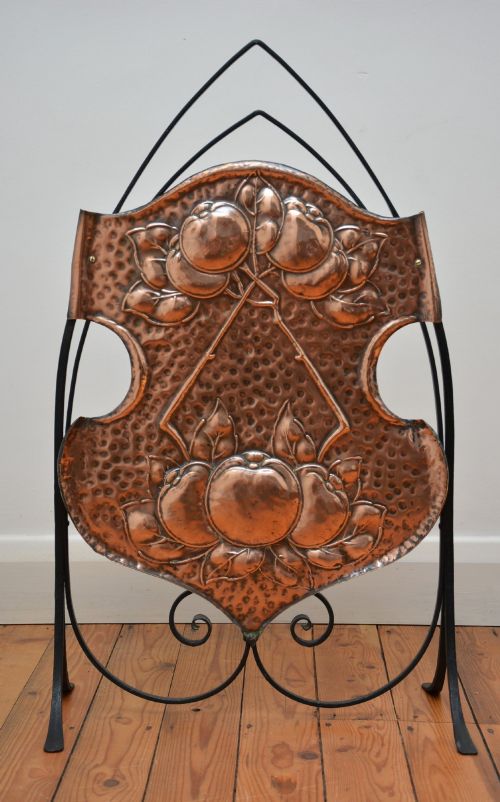


Edwardian Fire Screen
An edwardian fire screen stands before a hearth to tame the draught and frame the room, offering a decorative shield that turns a functional iron grate into a focal point.
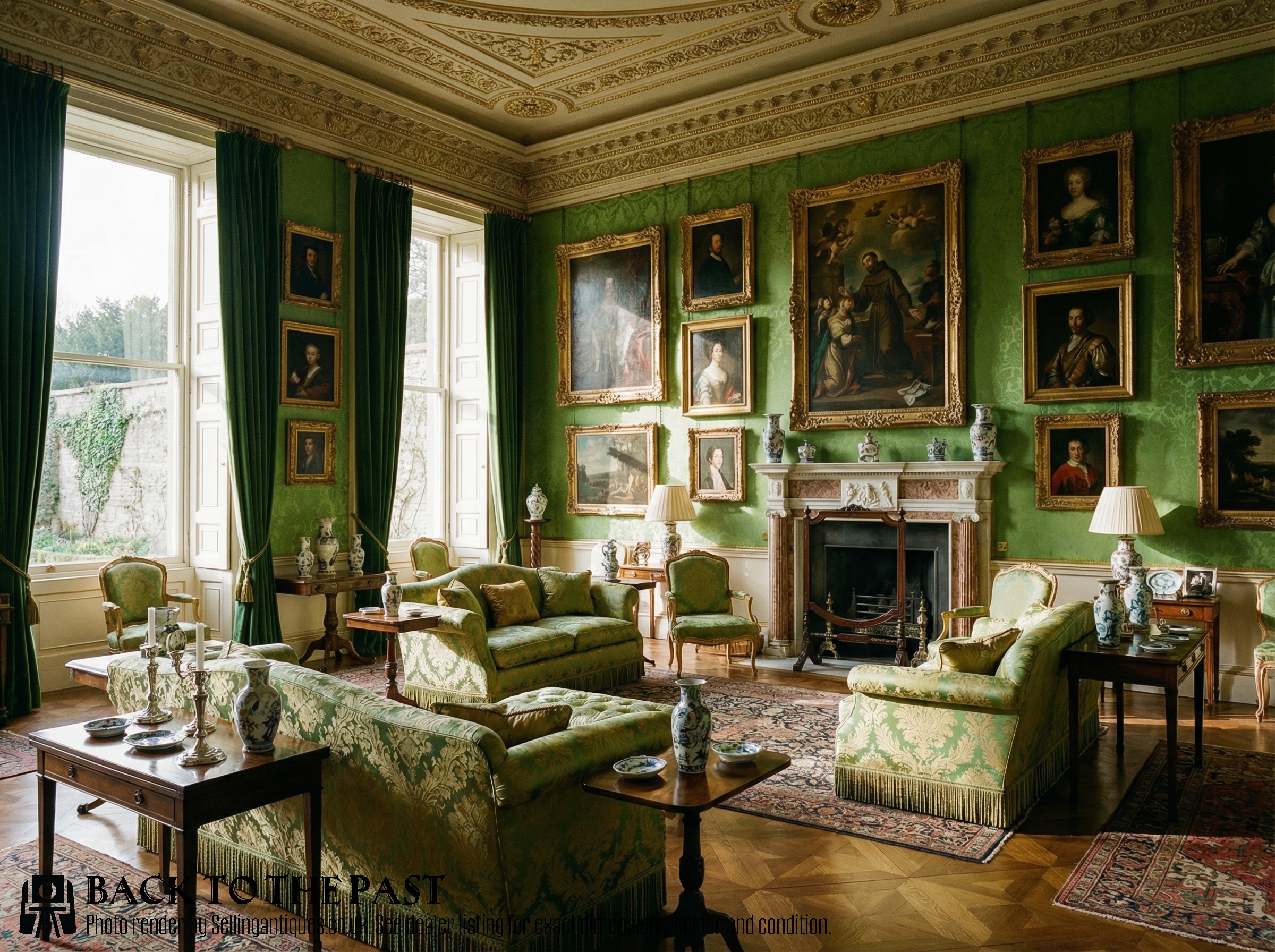
Edwardian Fire Screen
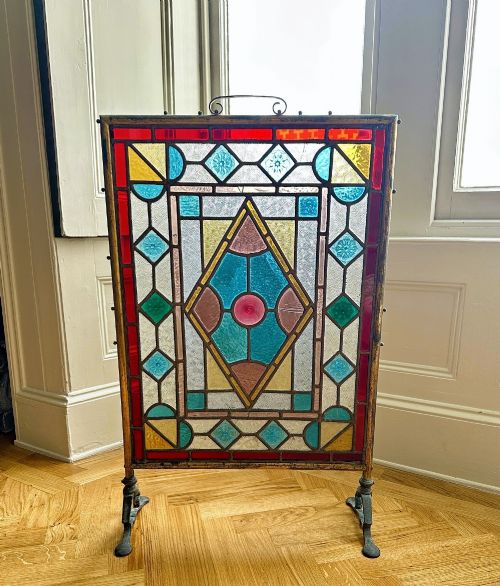
An edwardian fire screen acts as a decorative and practical barrier placed in front of an unused hearth during warmer months, shielding the room from soot and ash while adding character to the interior. These pieces emerge in materials such as polished brass, dark mahogany, oak, and wrought iron, frequently standing on sturdy feet or folding with multiple sections.
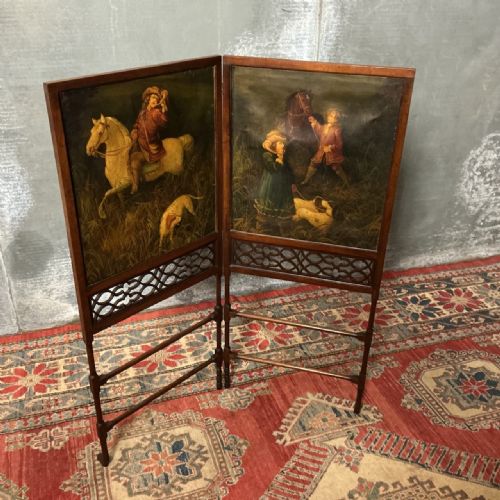
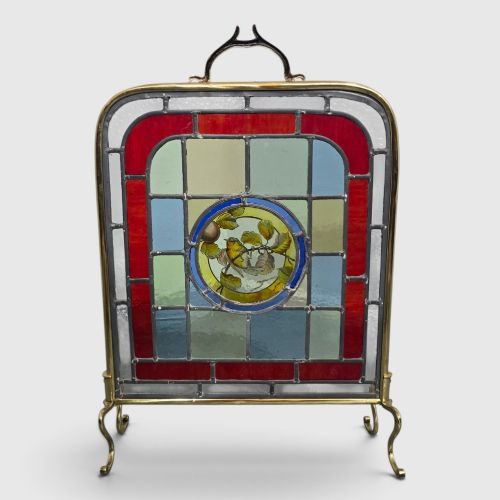
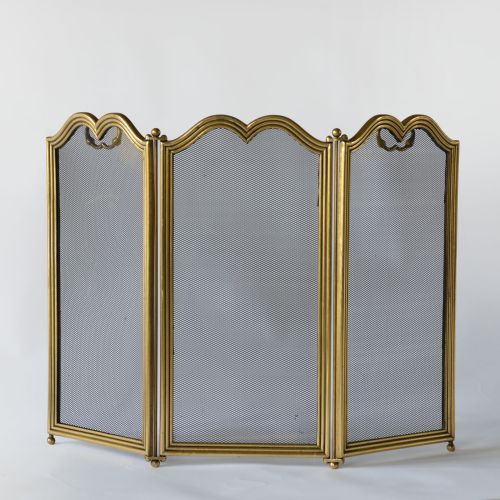
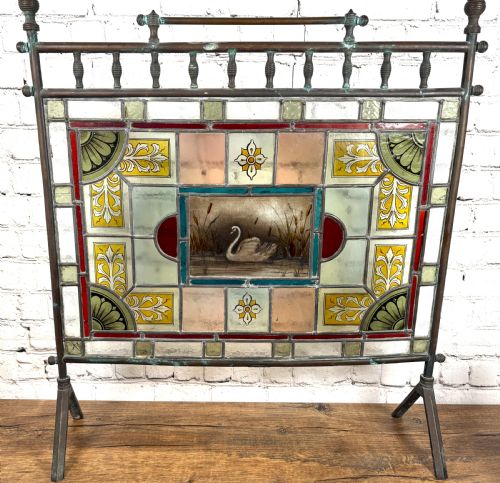
The selections recorded here span rigid single-pane panels, folding spark guards, and clever metamorphic designs that double as occasional tables or cake stands. Mahogany frames inlaid with delicate woodwork sit alongside robust oak frameworks holding embroidered panels, stained glass, or leaded mesh.
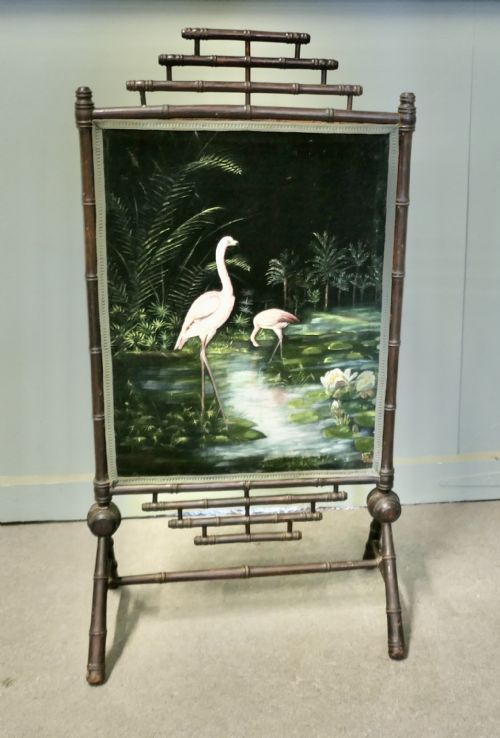
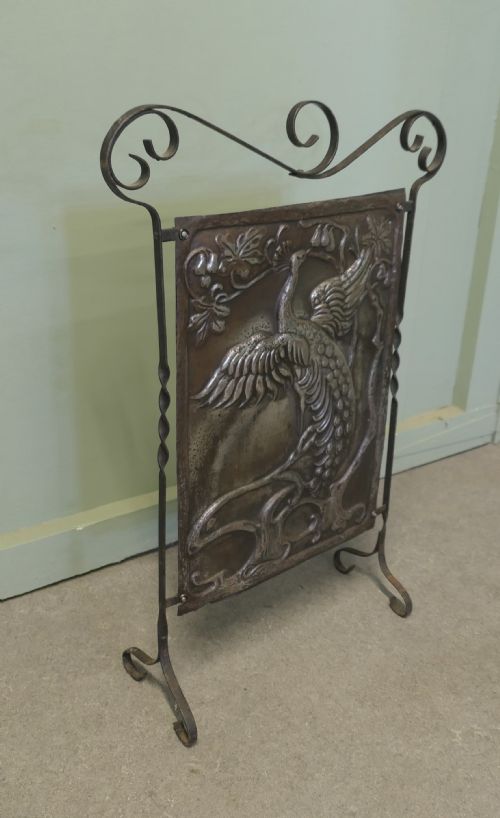
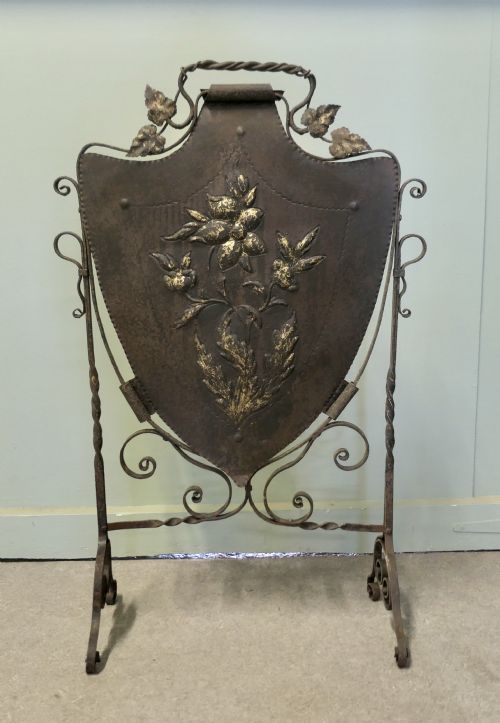
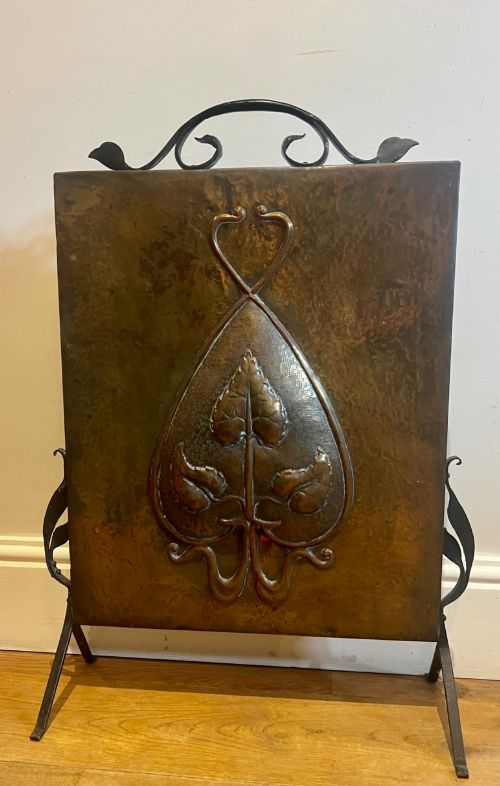
Most examples meet the collector through sturdy timber frames or gleaming metal structures, reflecting the domestic habits of the early twentieth century. Buyers encounter straightforward brass frames alongside elaborate Arts and Crafts copper panels and painted wooden screens.
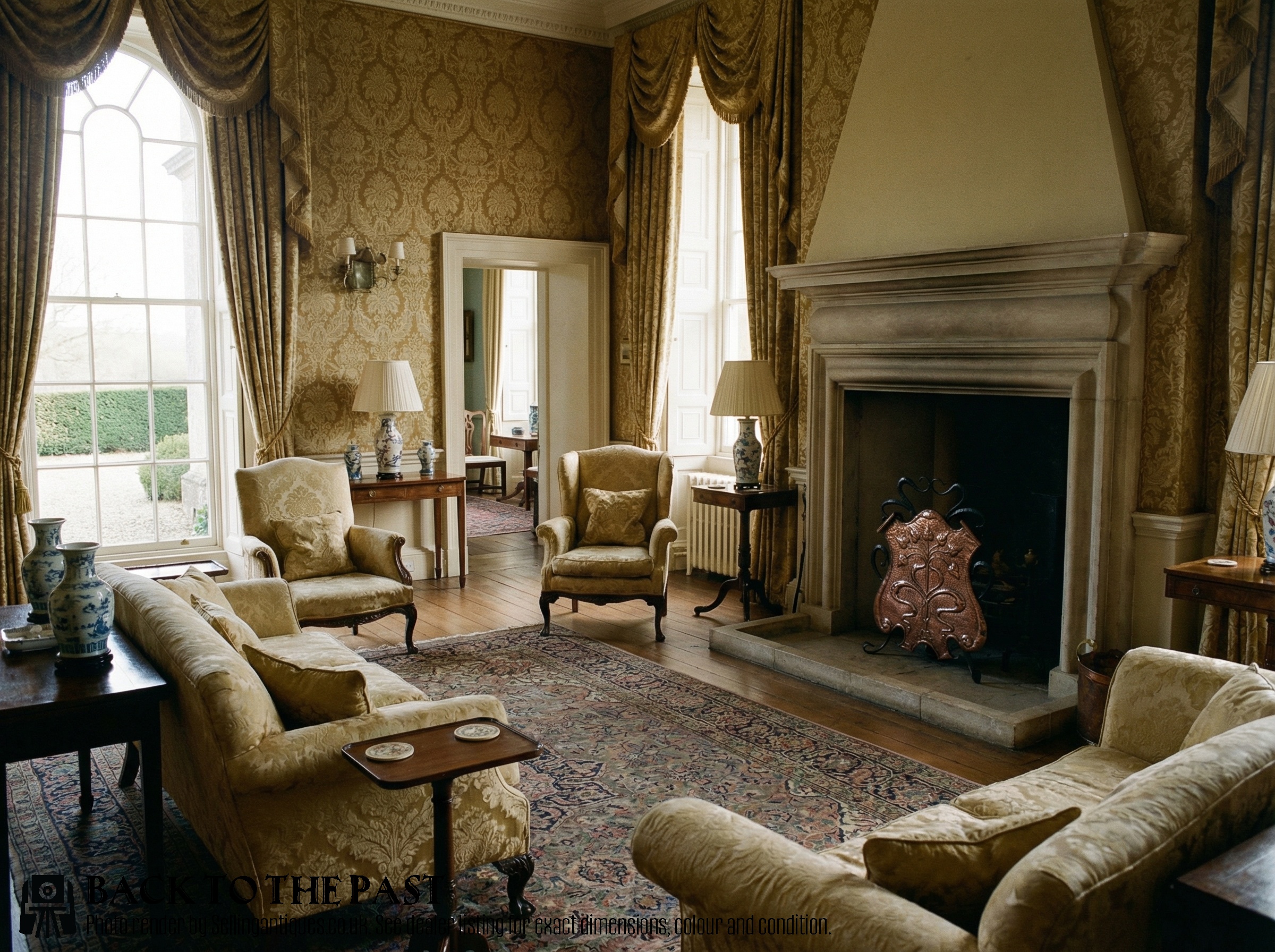
How They Were Made
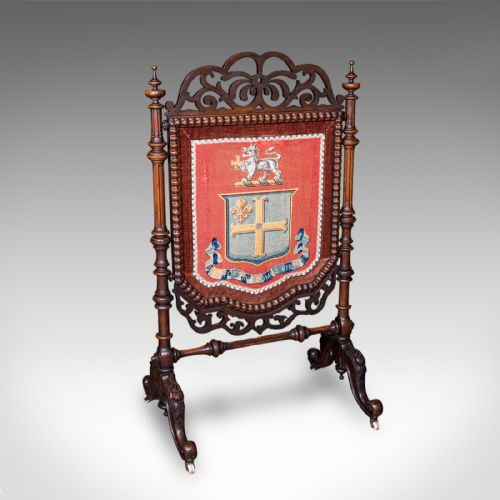
Craftsmen shaped these hearth shields using combinations of turned mahogany, carved walnut, and solid oak for the structural frames, often integrating brass rims and copper sheets for the central viewing panels. Metalworkers hammered copper and polished iron to create robust stands, while joiners utilised mortise and tenon joints to ensure stability near the warmth of the fire.
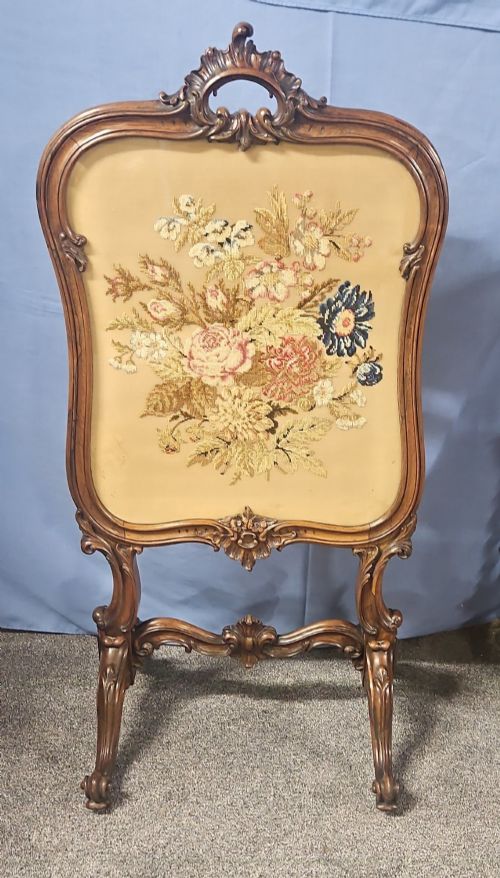
Makers set stained glass, bevelled glass plates, and woven woolwork needlepoint panels securely within wooden or metal grooves to withstand the daily handling of a busy household. Embossed brass designs and silk embroideries required careful tension and mounting behind wire mesh or protective glass panes to preserve the intricate needlework.
Edwardian Fire Screen Retail Price Guide 2026
Typical asking prices for edwardian fire screen among the pieces listed under this phrase on Sellingantiques today, from the lower quarter to the upper quarter. They describe what is for sale here now, not the wider market.
Listings feature brass, copper, iron, mahogany, and oak materials across Edwardian and Victorian periods.
What Varies in Quality
The distinction between standard domestic pieces and finer works rests on the depth of hand-carving in the wooden frames and the execution of the metalwork. Heavy gauge copper with hand-hammered relief work or leaded stained glass panels indicate superior craftsmanship compared to plain wire mesh and stamped sheet metal.
Materials dictate longevity, with dense hardwoods like mahogany and walnut maintaining their structural integrity better than softer woods prone to drying near a hearth. Fine needlepoint tapestries, bevelled glass, and sturdy folding hinges separate standard production items from workshop pieces created during the Arts and Crafts period.
The Edwardian Fire Screen Glossary
- Spark guard
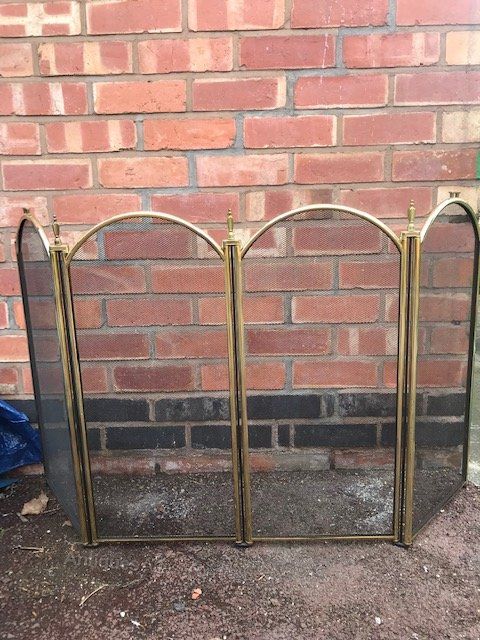
- A fine wire mesh or metal screen designed to catch stray embers leaping from an open fire. These protective barriers ensure safety without blocking the warmth of the hearth.
- Needlepoint
- A form of canvas work embroidery utilised extensively for the decorative central panels of hearth screens. Artisans stitched intricate floral, armorial, or pastoral scenes using wool threads.
- Metamorphic
- A term describing furniture designed to transform into another object, such as a fire screen that unfolds into an occasional table or a tiered cake stand. This ingenuity suited compact Edwardian drawing rooms.
- Arts and Crafts
- A design movement prioritising handcraftsmanship, simple forms, and visible honest construction, frequently expressed through hammered copper, iron, and oak. These pieces celebrate the work of the individual maker.
- Bevelled glass
- Glass panes featuring an angled edge ground down to a thinner margin, catching and refracting light. This technique added elegance to brass-framed hearth screens.
Edwardian Fire Screen: Frequently Asked Questions
What is an edwardian fire screen?
An edwardian fire screen is a decorative and protective panel placed in front of a fireplace when the grate is not in active use. These items shield rooms from hearth soot and dress the fireplace during warmer months.
They appear in various forms, from simple brass and wire mesh guards to elaborate wooden frames housing hand-stitched needlepoint tapestries, stained glass, or hammered copper panels.
How were fire screens used?
Families positioned these screens before open hearths to block drafts coming down the chimney and to hide unlit grates during summer. Some versatile models also served double duty as small occasional tables or cake stands.
Domestic staff moved them easily depending on the room's temperature and the season, protecting inhabitants from lingering ash smells and stray embers.
Are folding fire screens common?
Folding screens featuring multiple hinged sections appear regularly in brass, iron, and wood constructions. These variants allowed owners to adjust the width of the barrier to fit different fireplace openings.
The folding mechanism also made storage straightforward when the hearth needed to be cleared for lighting a real fire during the winter months.
How do I care for my screen?
Maintenance depends entirely on the materials, requiring gentle dusting for embroidered tapestries and appropriate metal polish for brass or copper frames. Keeping wooden frames away from direct, extreme heat prevents the timber from warping or splitting over time.
Glass panels benefit from standard glass cleaner applied carefully to avoid staining adjacent fabrics or tarnishing aged metal surrounds.