

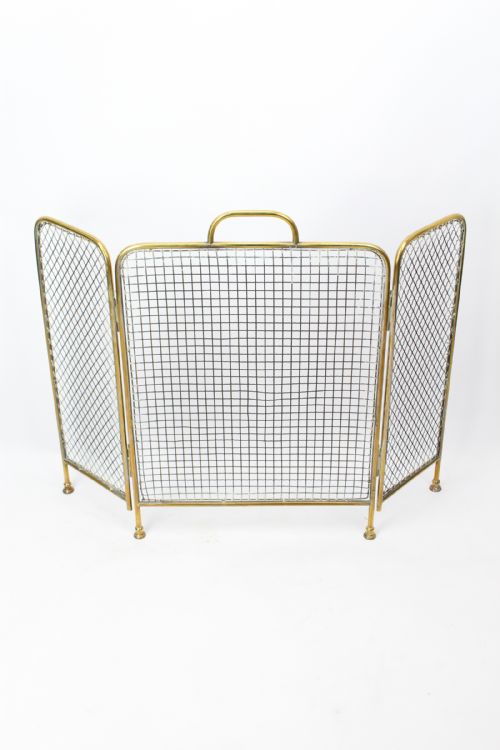


Folding Fire Screen
These folding fire screen pieces offer practical hearth protection alongside period charm, spanning Victorian brass fans to French gilt bronze designs.
Folding Fire Screen
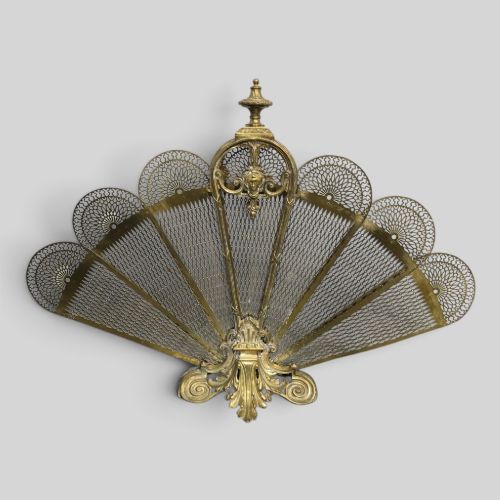
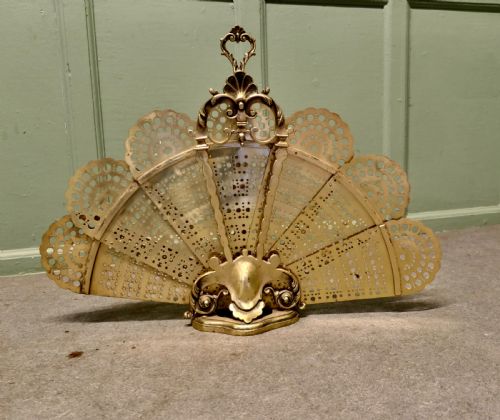
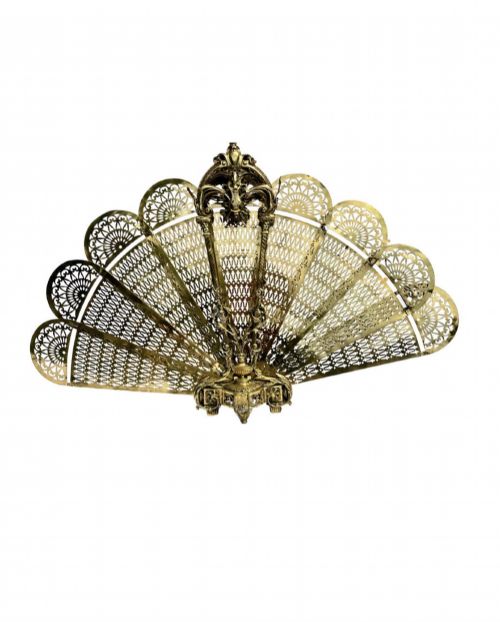
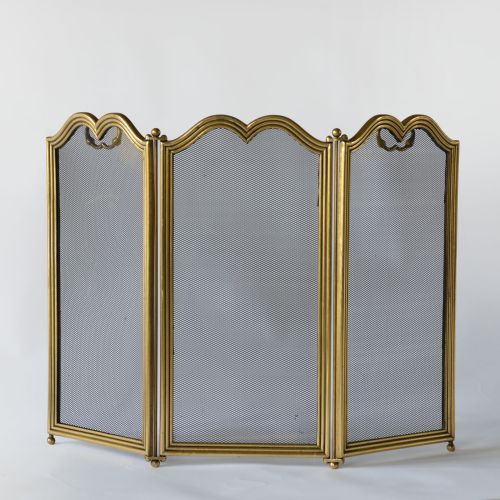
A folding fire screen serves as a practical hearth guard that expands to block sparks or folds away when the fire dies down. These items range from compact domestic spark guards to decorative focal points placed before a dormant fireplace during warmer months.
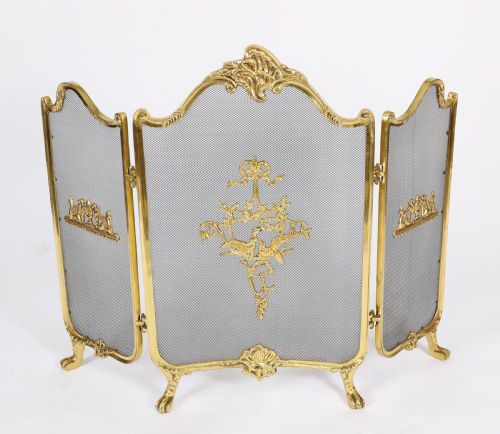
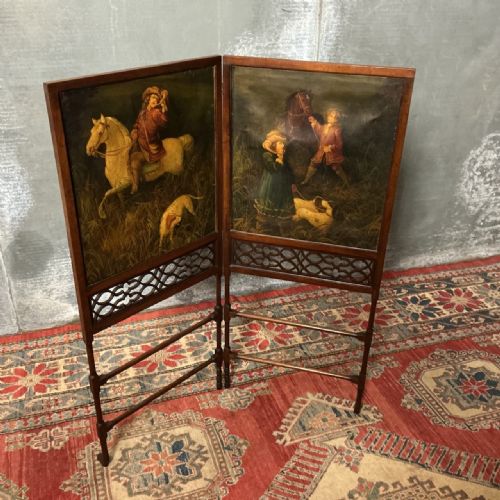
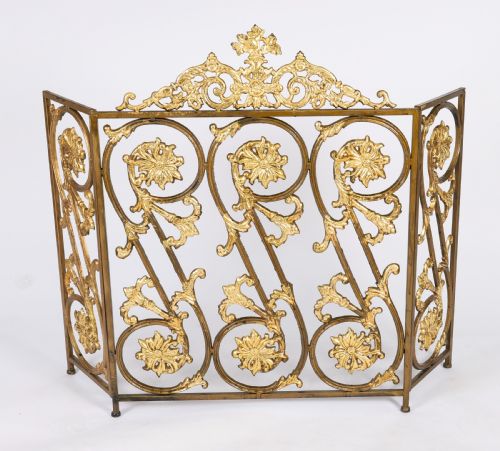
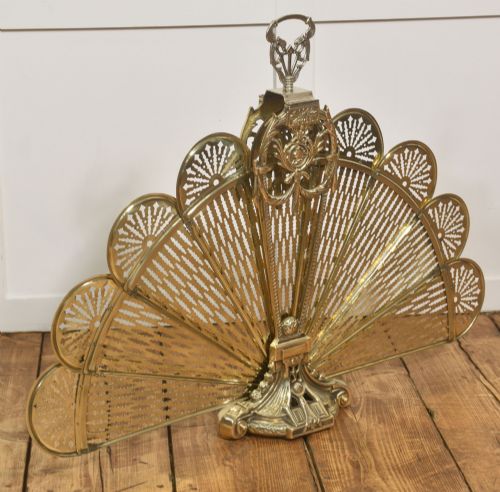
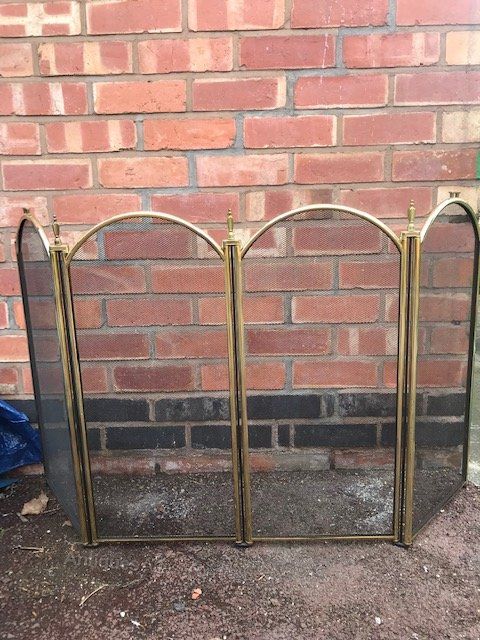
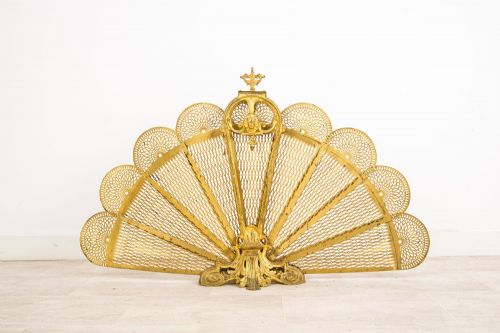
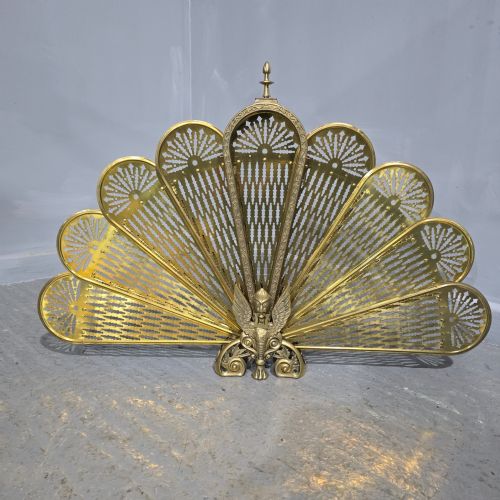
You will most frequently encounter brass fan designs and multi-panel folding frames across this selection. Pieces stretch from simple wire mesh guards to elaborate French Rococo Revival or Edwardian models incorporating glass, canvas, and oil paint.
How they were made
Makers constructed these frames using sturdy metals like brass, gilt bronze, copper, and iron alongside timbers such as mahogany and walnut. Many incorporate fine wire mesh or hinged multi-section panels designed to articulate smoothly.
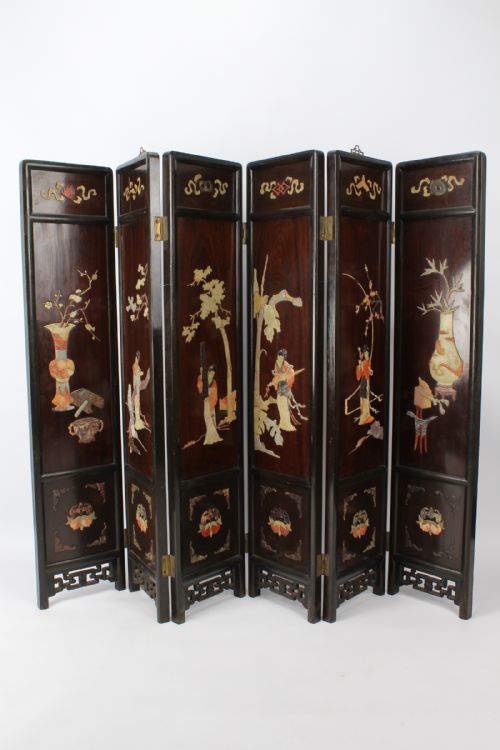
Decoration relied on craftsmanship techniques including etched glass, hand-painted oil panels, embroidery, and ornate cast mounts in French styles. Hinges and folding mechanisms required precise metalworking to support repetitive movement.
Materials recur across brass, wire mesh, mahogany, glass, gilt bronze, canvas, and oil paint.
What varies in quality
Quality rests on the weight of the metal, the rigidity of the folding frame, and the crispness of any cast ornamentation. Solid brass components and heavy gauge wire mesh distinguish substantial hearth accessories from lighter domestic items.
The artistic execution of integrated elements like oil paintings, tapestry panels, or etched glass determines the distinction between standard room accessories and superior decorative works.
The Folding Fire Screen Glossary
- Spark guard
- A fine wire mesh or metal screen designed primarily to catch flying embers from an open fire. These practical guards often fold into multiple sections for easy storage.
- Peacock fan
- A folding hearth screen composed of radiating metal blades that fan outward like a tail. This specific form became popular during the Victorian and Edwardian eras.
- Ormolu
- Gilded bronze applied to furniture mounts and decorative metalwork. It appears frequently on French nineteenth-century fireplace accessories.
- Tapestry
- Woven textile art often mounted within wooden frames for domestic display. Georgian and Victorian examples occasionally served a dual purpose as needlework firescreens.
- Mahogany
- A durable, reddish-brown tropical hardwood used extensively for Edwardian and Regency screen frames. It provides a stable border for glass or painted panels.
Folding Fire Screen: Frequently Asked Questions
How do you use a folding fire screen?
These screens expand across the hearth opening to catch sparks while a fire burns or to conceal the grate during summer months.
They fold inward into compact sections so you can move them aside easily when tending the hearth.
Are brass fan screens fragile?
The individual metal blades of a folding fan screen are generally robust, but the pivoting rivets require gentle handling.
Opening and closing the fan smoothly prevents bending the delicate brass segments over time.
How do I date a brass fire screen?
Victorian and Edwardian versions often display peacock fan configurations or stamped brass motifs typical of late nineteenth-century production.
French nineteenth-century examples tend to feature heavier gilt bronze or ormolu mounts with Rococo Revival styling.
Can these screens be used with a real fire?
Wire mesh and solid metal versions function effectively as spark guards during active fires.
Screens inset with glass, canvas, or oil paintings suit decorative use before an unlit hearth to protect delicate materials from heat.