

Vintage Hearth Screen
A vintage hearth screen stands before an idle grate, shielding a room from stray sparks while shaping the character of the hearth.
Vintage Hearth Screen
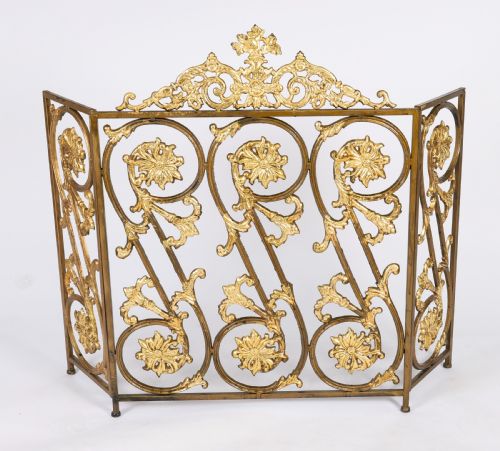
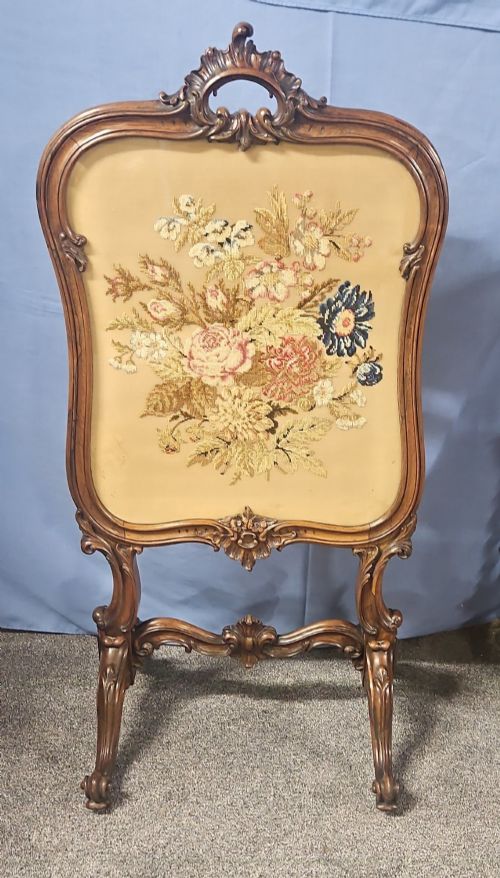
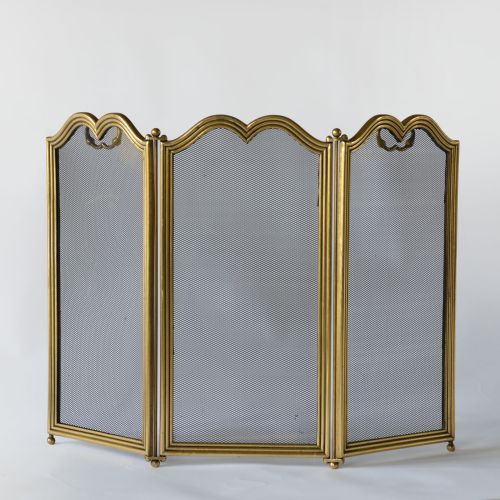
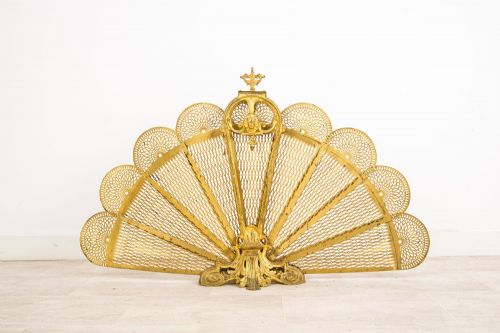
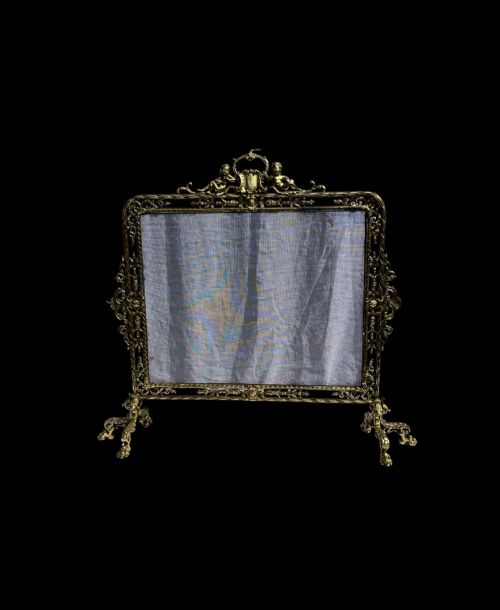
A vintage hearth screen serves to block heat and sparks when a fire dies down, taking the form of folding fan arrays, flat mesh guards, and framed glass or tapestry panels. Most examples met here date from the nineteenth century into the early twentieth century, spanning Victorian, Edwardian, and revivalist tastes.
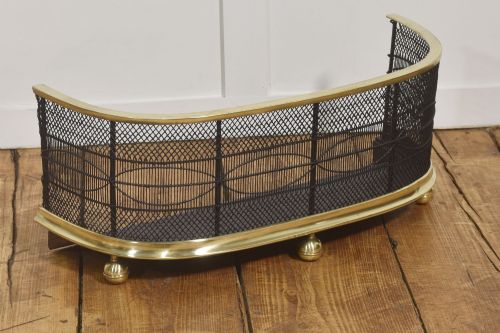
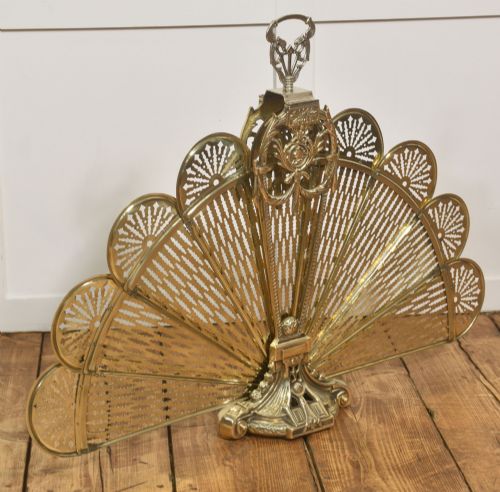
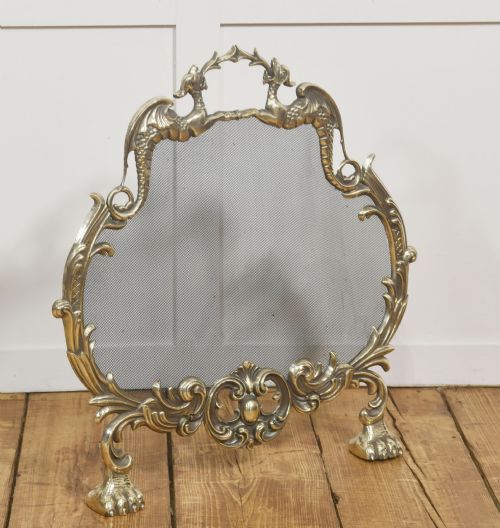
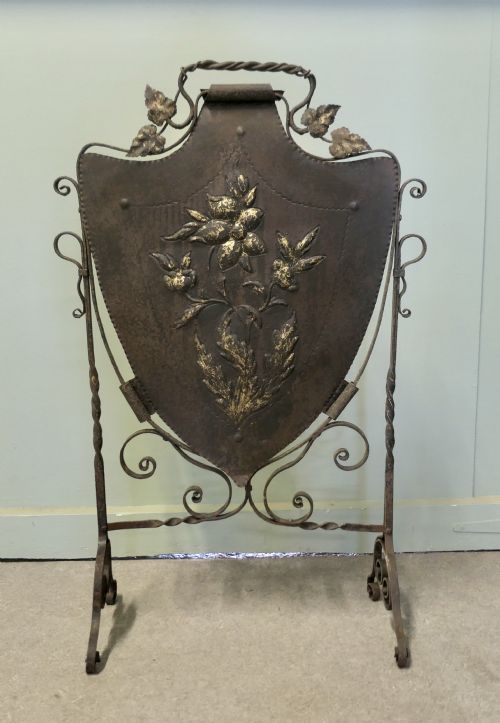
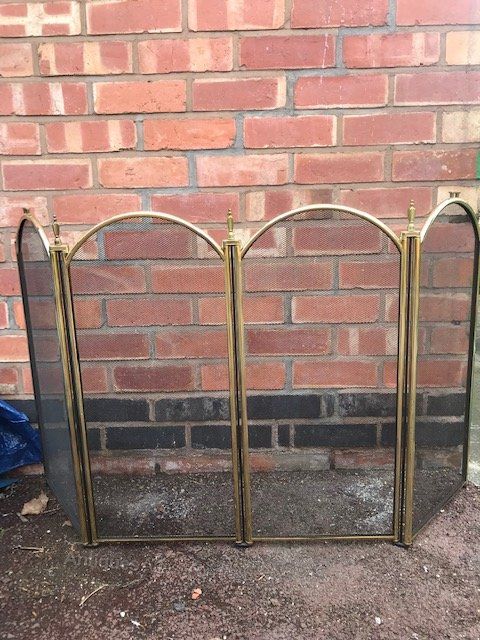
Makers produced these guards in various configurations, from rigid brass frames with wire mesh to tripartite folding sections and expanding peacock fan designs. Materials range from polished brass and gilt bronze to wrought iron, copper, mahogany, and carved oak.
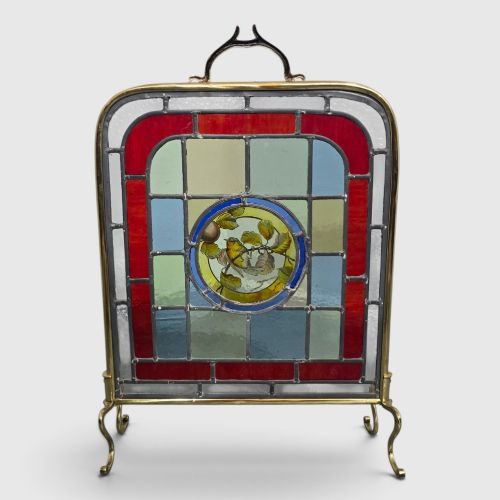
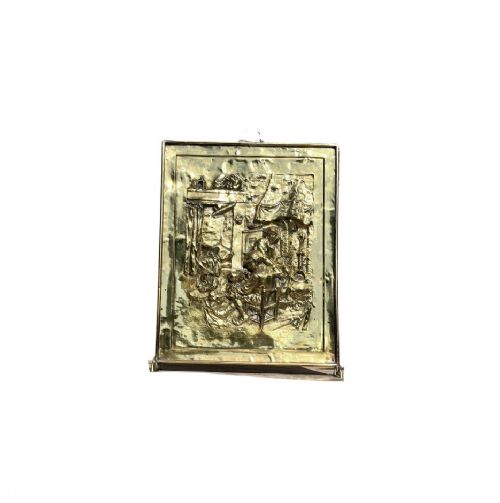
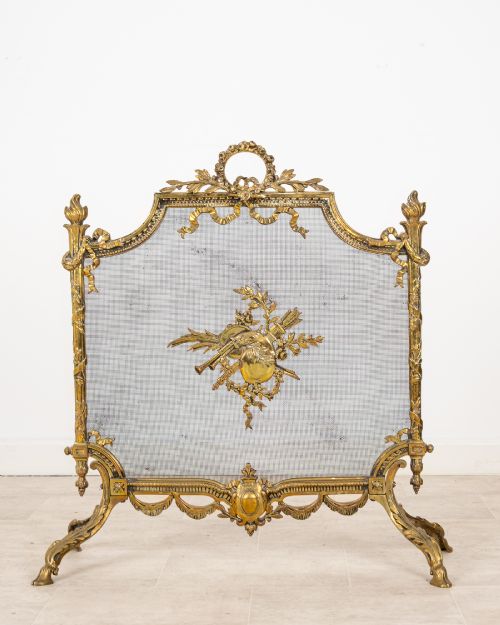
Stylistic influences draw heavily on French Rococo, Louis styles, Gothic Revival, and Arts and Crafts principles. Certain pieces incorporate specific decorative elements such as embossed coats of arms, satirical prints, cut glass, and sunburst mirrors.
Assessing Craftsmanship
Quality rests in the weight of the metal and the precision of the assembly, distinguishing heavy cast or chased brass from thinner stamped sheets. Articulation in folding screens and fan guards reveals the care put into hinges and individual expanding blades.
Decorative ambition separates standard guards from finer examples, seen in the depth of hand-chased ornamentation, the integration of cut glass or bronze trophies, and the execution of carved woodwork.
Period styles span Georgian, Victorian, Edwardian, Arts and Crafts, Art Nouveau, and French Rococo revivals.
The Vintage Hearth Screen Glossary
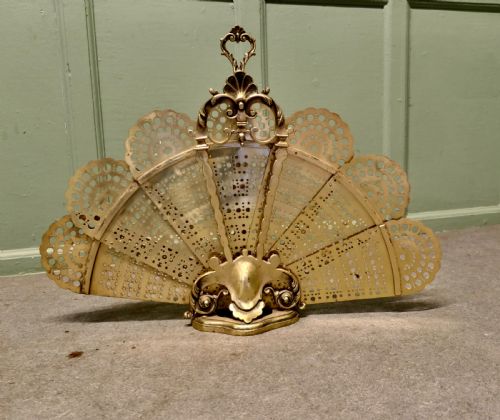
- Peacock fan
- A folding hearth screen composed of radiating metal blades that open and close like a tail. This design gained popularity during the late Victorian and Edwardian periods.
- Nursery fender
- A low metal barrier enclosing the hearth to keep children and clothing at a safe distance from the fire. These often feature wire mesh panels and occasionally incorporate built-in rails.
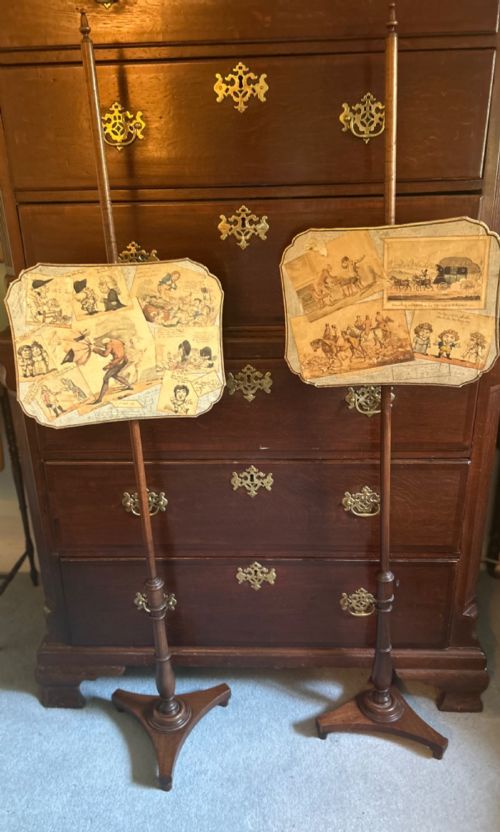
- Pole screen
- An adjustable panel mounted on a vertical stand to deflect heat from a person's face. Examples often display needlework, prints, or painted decoration.
- Spark guard
- A functional screen designed specifically to catch embers flying from an open fire. They utilise tight wire mesh or folding metal sections for containment.
- Ormolu
- Gilded bronze applied to ornamental mounts on frames and furniture. This technique appears frequently on French revival hearth pieces.
Vintage Hearth Screen: Frequently Asked Questions
How do I choose the right size screen?
Measure the width and height of your fireplace opening to ensure the screen provides adequate coverage against stray sparks. Folding sections allow you to adjust the footprint to fit narrower or wider hearths.
Consider the projection of the hearth and surrounding mantelpiece so the frame sits stable and balanced on the floor.
What is the difference between a spark guard and a decorative screen?
Spark guards focus on functional containment, utilising fine wire mesh and folding metal panels to stop embers. Decorative screens often prioritise visual appeal through embossed brass, glass panels, or fabric tapestries.
Many nineteenth-century examples successfully combine both purposes by pairing sturdy mesh with elaborate revival frames.
How do I clean a brass hearth screen?
Dust the metal regularly with a soft cloth to prevent soot accumulation. Avoid harsh chemical polishes that strip historical patinas from aged brass and copper surfaces.
Gentle wiping with a damp cloth is usually sufficient for maintaining the metalwork without altering its finish.
Can these screens be used with a working fire?
Most metal mesh and folding guards are built to withstand hearth heat and catch sparks effectively. Ensure the materials, such as wire mesh or solid brass, show no structural weakness before placing them near active flames.
Wooden or fabric panel screens require greater caution and are better suited for dormant grates.