


Traditional Metal Fireguard
A traditional metal fireguard keeps hearths safe whilst bringing period character to a room.
Traditional Metal Fireguard
A traditional metal fireguard is a practical hearth accessory designed to contain sparks and protect rooms from open flames. When searching for a traditional metal fireguard, buyers typically encounter sturdy Victorian and Edwardian examples alongside early twentieth-century designs.
The selections on this page span the nineteenth century, the Edwardian era, and the 1920s and 1930s. Forms range from heavy wrought iron screens to folding brass and copper spark guards and nursery fenders with clothes rails.
Many pieces display specific stylistic influences such as Gothic Revival or English Country House aesthetics. Others utilise wire mesh and iron frames to serve functional purposes in domestic spaces.
Materials and construction
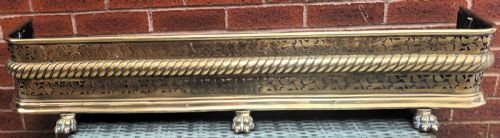
Makers constructed these hearth pieces using durable metals such as brass, iron, steel, and copper. Brass components often feature pierced sheet metal or polished top rails.
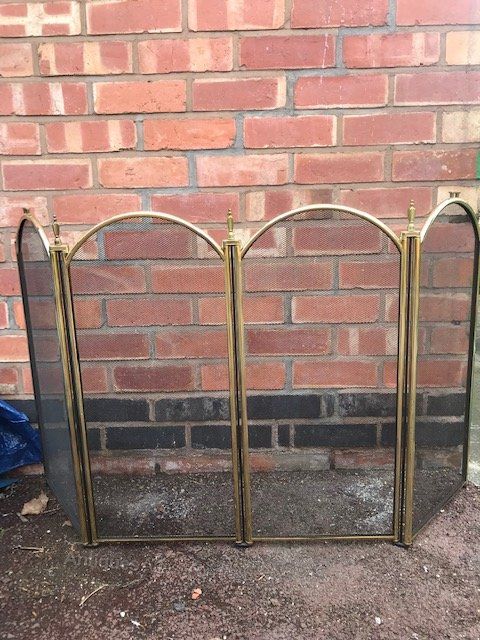
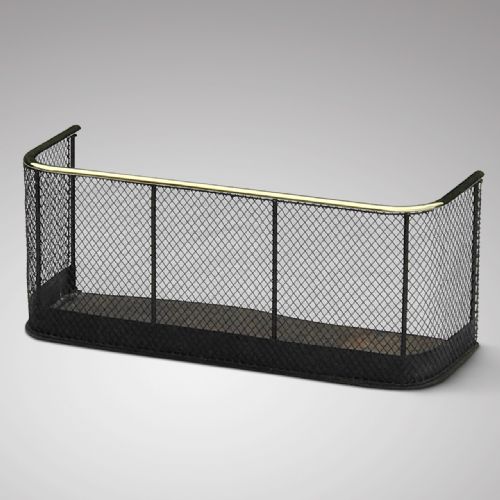
Wrought iron and steel provide heavy structural framing for screens and fenders, frequently combined with fine wire mesh or iron mesh to stop sparks while maintaining visibility of the fire.
The listings include pieces made from brass, iron, steel, wrought iron, and copper, spanning the nineteenth century through the 1930s.
Distinctions in quality
Quality in a traditional metal fireguard rests upon the heaviness of the construction and the integrity of the materials. Substantial weight in iron and brass frames indicates robust manufacture.
Finishes and detailing separate standard utilitarian items from finer examples, such as carefully pierced brass panels and secure multi-section folding mechanisms.
The Traditional Metal Fireguard Glossary
- Nursery fender
- A protective metal guard designed to encircle a hearth completely, often featuring a raised top rail to keep children at a safe distance from the fire.
- Spark guard
- A fine wire mesh or perforated metal screen placed directly in front of an open grate to catch stray embers.
- Pierced brass
- Sheet brass decorated with decorative cut-out patterns, commonly seen on nineteenth-century fenders and screen frames.
- Gothic Revival
- A nineteenth-century design style drawing on medieval architectural motifs, frequently expressed in heavy wrought ironwork.
Traditional Metal Fireguard: Frequently Asked Questions
How do I use a nursery fender?
A nursery fender is positioned around the hearth perimeter to form a physical barrier between the fire and the room.
Many period versions include an integrated top rail which was traditionally utilised for warming garments.
What is the difference between a screen and a fender?
A fire screen stands upright to block radiant heat and contain sparks directly in front of the fireplace opening.
A fender sits on the floor around the hearth boundary, sometimes incorporating low mesh guards or attached fire dogs.
How do I date a metal fireguard?
Dating relies upon stylistic markers and materials associated with specific periods such as Victorian, Edwardian, or the 1920s.
Gothic Revival details and heavy wrought iron often suggest nineteenth-century manufacture, whilst simpler wire mesh designs frequently align with Edwardian production.
Are folding spark guards practical?
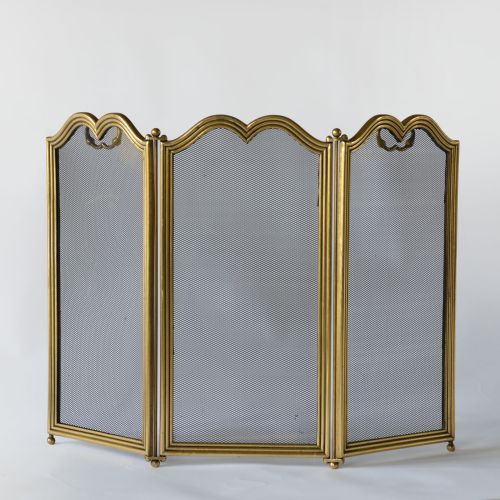
Multi-section folding spark guards offer flexibility for different fireplace sizes and can be folded flat when not in use.
They combine fine wire mesh with copper or brass frames to balance spark protection with portability.