


Copper Fireplace Screen
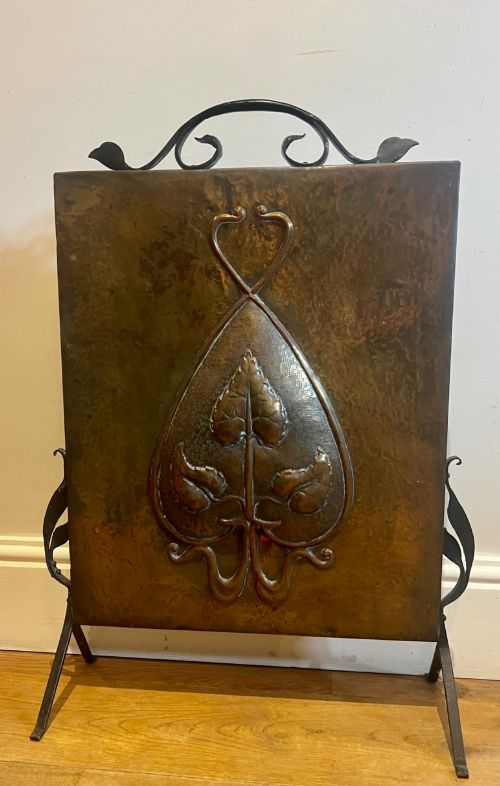
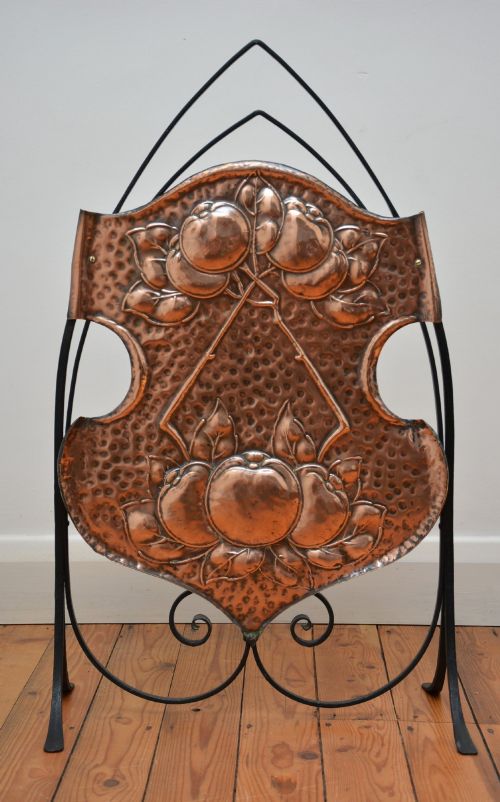
These copper fireplace screen pieces bring warmth and texture to a hearth, combining practical spark guarding with striking metalwork.
Copper Fireplace Screen
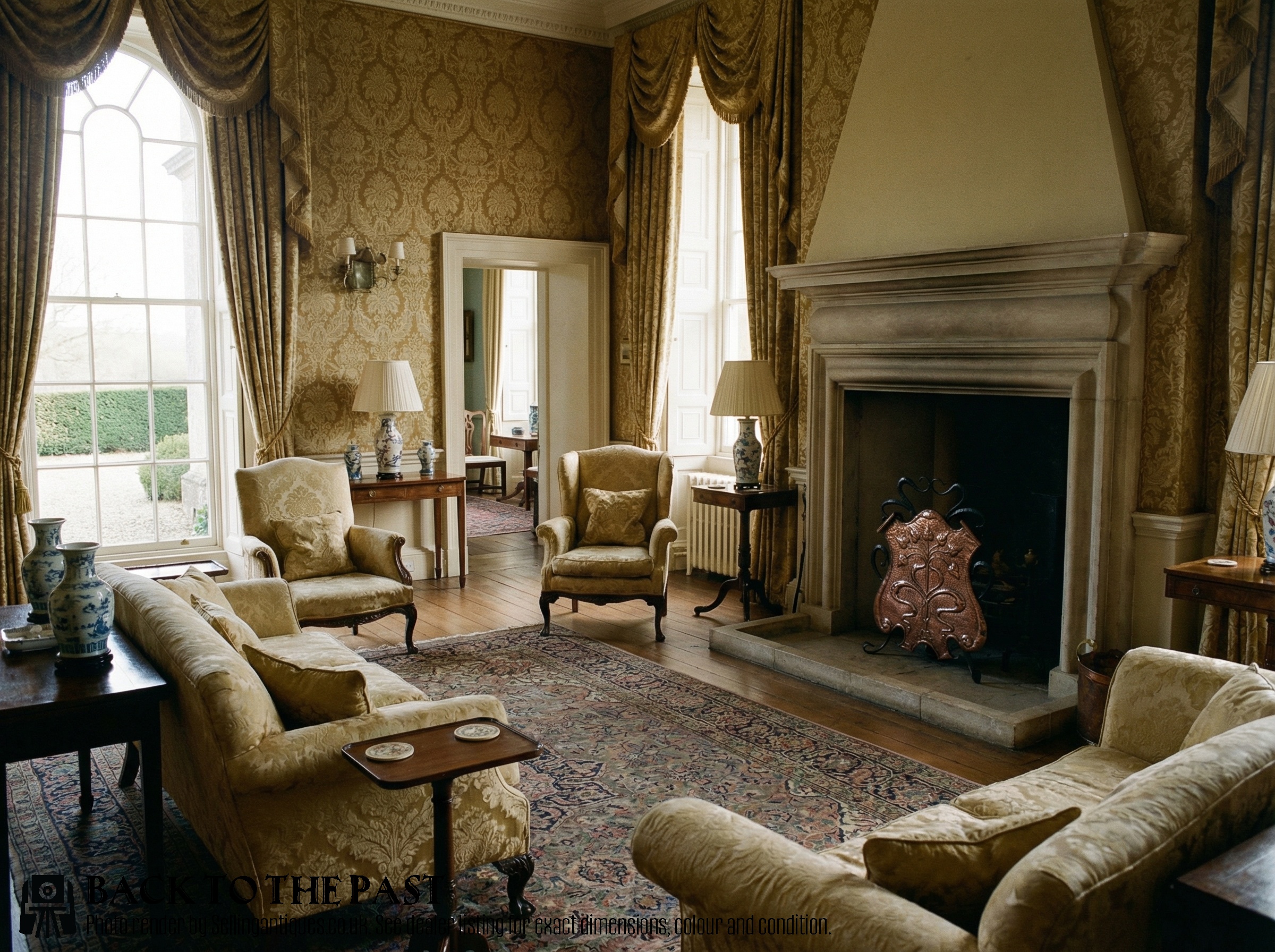
A copper fireplace screen stands before a hearth to block stray embers while reflecting the fire's warmth back into the room. When you search for this phrase, you encounter designs that serve as both functional guards and decorative focal points for a chimney breast.
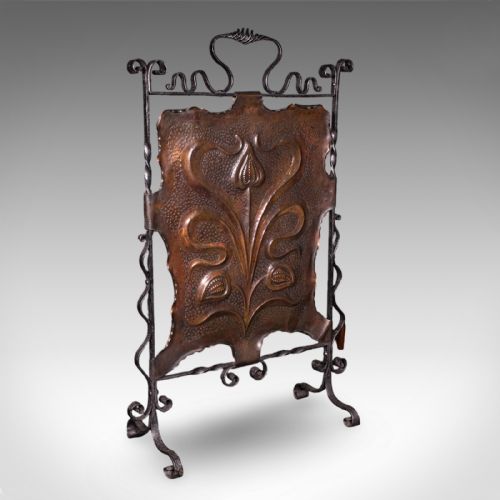
The most common examples on this page date from the Victorian period through to the early twentieth century. You will frequently find pieces created in the Arts and Crafts and Art Nouveau styles, which showcase the rich reddish tones of the metal.
Many of these screens feature hand-beaten panels mounted within sturdy frames of wrought iron, oak, or brass. They range from simple reflective metal sheets to folding wire mesh spark guards and specialised fireplace reflectors.
How they were made
The primary material is sheet copper, often worked by hand using hammering and repoussé techniques to create textured surface designs. Makers set these reflective metal sheets into robust structural frames made of wrought iron, oak, or brass to ensure stability near the heat.
Some configurations incorporate fine wire mesh alongside the solid metal panels to contain sparks effectively while maintaining visibility of the flames. Assembly methods rely on traditional joinery for wooden framing and secure riveting or fastening for the metal components.
Listings feature pieces spanning from the Victorian era through the 1920s, utilising copper, wrought iron, and oak.
What varies in quality
The distinction between standard examples and superior pieces rests upon the depth and precision of the hand-working on the metal panel. Heavier gauges of copper and more ambitious repoussé detailing indicate a higher grade of craftsmanship.
The choice of framing materials also influences the overall standard, with solid oak surrounds or heavily forged iron frames representing more substantial construction. Well-integrated hinges on folding variants and securely mounted mesh panels demonstrate better initial manufacture.
The Copper Fireplace Screen Glossary
- Repoussé
- A metalworking technique where the artisan hammers the metal from the reverse side to form a raised design on the front. This method gives many Arts and Crafts panels their distinctive tactile surface.
- Spark guard
- A protective barrier designed to catch flying embers and ash escaping from an open fire. These often combine solid metal sections with fine wire mesh.
- Fireplace reflector
- A polished metal screen placed behind or before a fire to project additional heat into the living space. They make effective use of copper's thermal properties.
- Arts and Crafts
- A design movement emphasising handcraftsmanship, simple forms, and traditional materials over mass production. Pieces from this aesthetic frequently highlight the natural grain of the metal.
- Art Nouveau
- An international style characterised by flowing, organic lines and motifs inspired by natural forms. It appears on several screens through sinuous plant or floral patterns beaten into the copper.
Copper Fireplace Screen: Frequently Asked Questions
Are these screens safe to use with modern fires?
Most antique screens function adequately as spark barriers, provided the mesh and frame remain structurally sound. Folding mesh designs offer good coverage against stray embers from open hearths.
However, you should assess the stability of the individual frame and any historic repairs before placing the screen near an active, high-heat fire.
What is an Arts and Crafts screen?
An Arts and Crafts screen emphasises honest construction and visible hand-working, often featuring hammered copper panels set into iron or oak frames. These pieces reflect a philosophy that valued artisan skill over industrial manufacture.
They typically display restrained ornamentation inspired by natural materials rather than elaborate neoclassical motifs.
How do I date a copper fireplace screen?
Dating relies upon stylistic markers such as the flowing organic lines of Art Nouveau or the robust, hand-beaten surfaces characteristic of the Arts and Crafts movement. The choice of framing materials, from solid oak to forged iron, also points to specific periods like the Victorian era or the early twentieth century.
Construction details, including fastener types and hinge styles, provide further clues to the decade of manufacture.