



Repousse Copper Panel
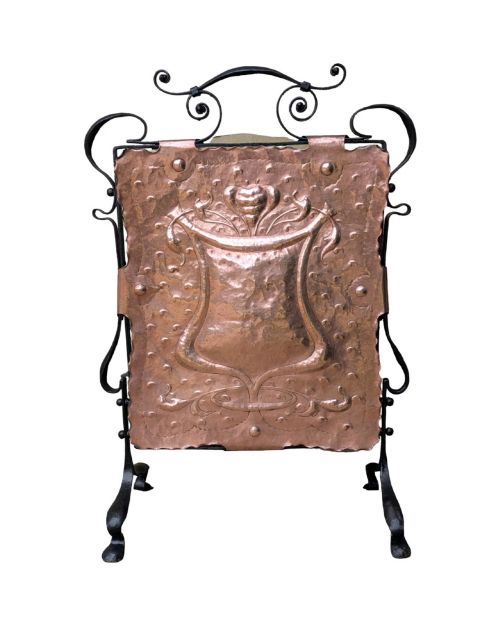
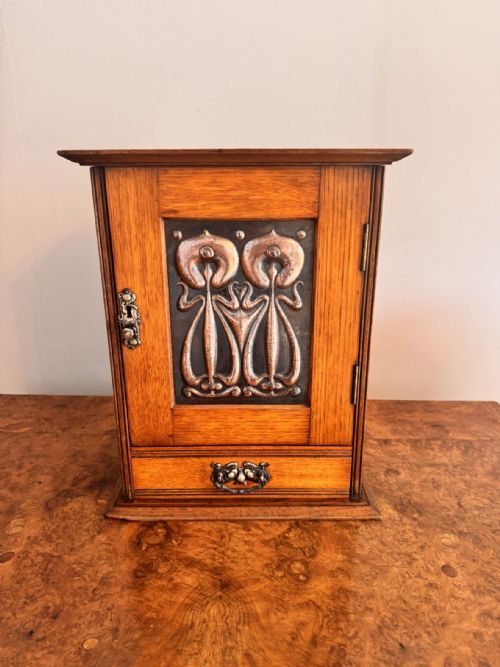
These repousse copper panel items bring hammered metalwork and warm metallic tones into a room, offering tactile surface relief that catches the eye.
Repousse Copper Panel
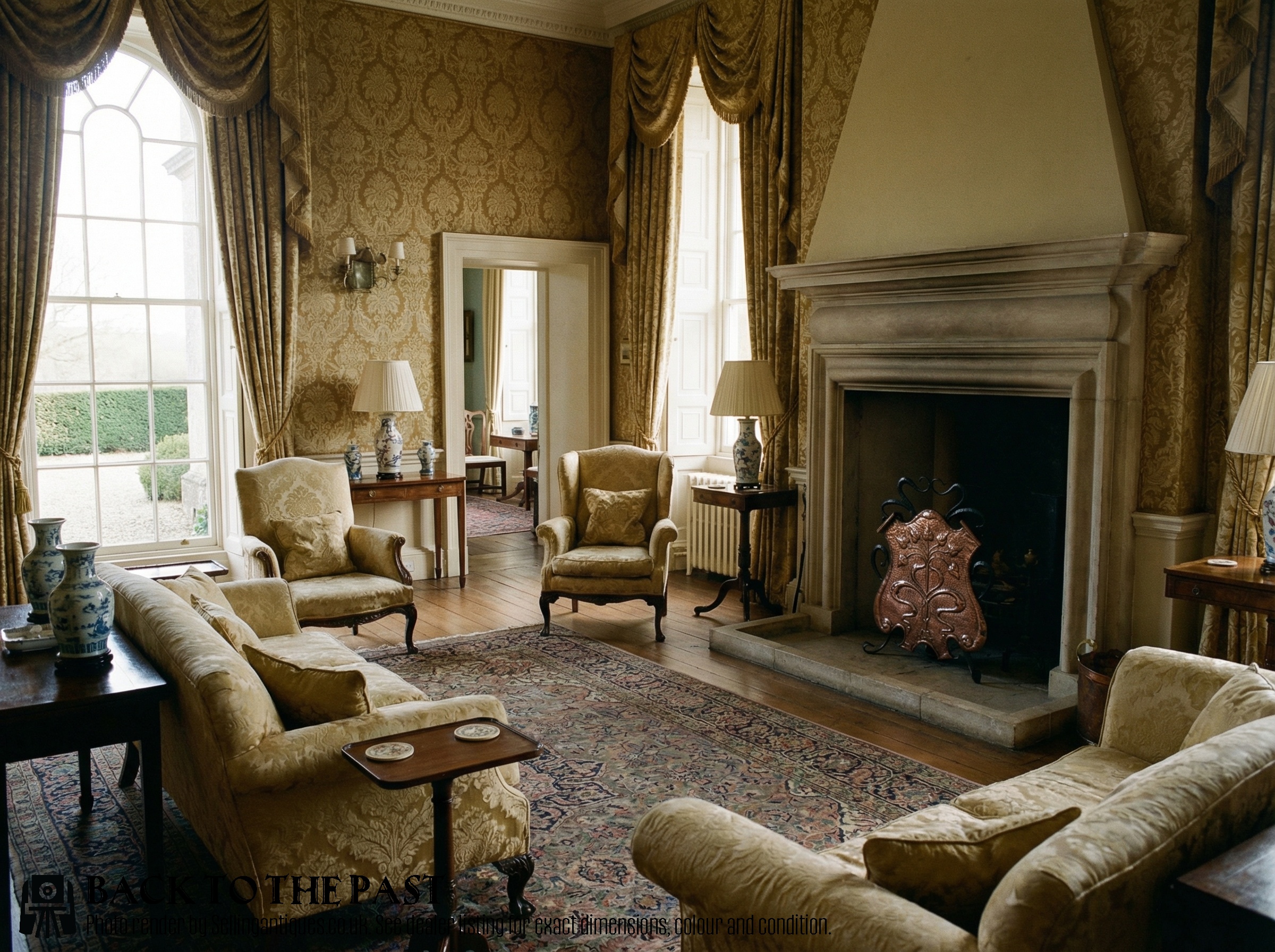
When searching for a repousse copper panel, collectors typically encounter decorative wall plaques, fire screens, and mounted panels integrated into furniture such as cabinets and boxes. These items frequently display the characteristic aesthetics of the Arts and Crafts and Art Nouveau movements, often framed in oak or mahogany.
The pieces on this page span the nineteenth century through the Edwardian era, capturing a period when hand-beaten metalwork enjoyed a significant revival in domestic interiors. While standalone wall reliefs and plaques appear, many panels serve a structural or decorative function within larger items like firescreens, umbrella stands, and smokers cabinets.
How they were made
Artisans created these panels by hammering and embossing sheet metal from the reverse side to push the design into relief, a technique known as repousse. This process required careful control of thickness and tension to achieve raised figurative or geometric motifs.
Makers frequently mounted these copper elements onto sturdy timber backings such as oak, mahogany, and golden oak, sometimes combining the metal with brass, iron, or glass to complete firescreens, cabinets, and wall displays.
Repousse Copper Panel Retail Price Guide 2026
Typical asking prices for repousse copper panel among the pieces listed under this phrase on Sellingantiques today, from the lower quarter to the upper quarter. They describe what is for sale here now, not the wider market.
Listings feature items spanning the 19th century through the Edwardian period, predominantly incorporating copper, oak, and mahogany.
What varies in quality
The distinction between standard domestic items and finer examples lies in the depth and crispness of the hammered relief work. Skilled metalworkers achieved nuanced shading and precise contours that elevate figurative scenes, such as classical figures or botanical motifs, above flat or mechanically pressed alternatives.
The quality of the surrounding woodwork and framing also dictates the overall standard of the piece. Solid oak or mahogany housings with secure joinery indicate a higher grade of manufacture than simpler constructions.
Shapland and Petter
The Repousse Copper Panel Glossary
- Repousse
- A metalworking technique where the artisan hammers a sheet of metal from the reverse side to form a raised design on the front. This method allows for detailed pictorial and decorative relief work.
- Arts and Crafts
- A design movement spanning the late nineteenth and early twentieth centuries that prioritised handcraftsmanship and traditional materials. It strongly influenced the production of beaten and embossed metal panels.
- Art Nouveau
- An international style characterised by organic, flowing lines and natural motifs such as plants and flowers. Pieces from this period often feature sinuous curves rendered in copper and brass.
- Firescreen
- A decorative furnishing placed before an unused fireplace, frequently incorporating a large metal panel or embroidered screen. Many examples utilise embossed copper within a wooden frame.
- Bronzed copper
- Copper treated with a chemical finish to resemble bronze. This treatment alters the surface colour to deeper brown or greenish tones.
Repousse Copper Panel: Frequently Asked Questions
How do I clean a repousse copper panel?
Maintenance requires gentle dusting with a soft cloth to preserve the natural patina developed over time. Avoid harsh abrasive polishes that can strip away the historical surface finish and damage the delicate relief work.
For stubborn grime, a mild soap solution applied sparingly and dried immediately prevents moisture damage to both the metal and any surrounding wooden framework.
Are these panels purely decorative?
While many examples function as standalone wall art or plaques, a substantial portion of these pieces serve practical roles in the home. They appear integrated into fire screens, coal boxes, umbrella stands, and tabletop cabinets.
This combination of utility and craft meant that items like firescreens and smokers cabinets protected domestic spaces while displaying artistic metalwork.
How can I tell the period?
Dating relies heavily on the overarching style of the piece, such as the sinuous lines of Art Nouveau or the robust honesty of Arts and Crafts design. The choice of framing timber, including golden oak or mahogany, also offers strong clues to the decade of manufacture.
Examining the construction methods of the wooden mounts and the specific character of the metal embossing helps align the piece with nineteenth or Edwardian production norms.
What is the difference between repousse and embossing?
Repousse specifically refers to metal shaped by hammering from the reverse side to create a raised motif on the front. Embossing is a broader term that can encompass various methods of pressing or raising a design.
In the context of these antiques, the terms often overlap, but true repousse highlights the manual skill of the artisan working the metal sheet by hand.