




Vintage Metal Fireguard
A vintage metal fireguard protects a room from stray embers while bringing character to the hearth through brass, copper, and iron.
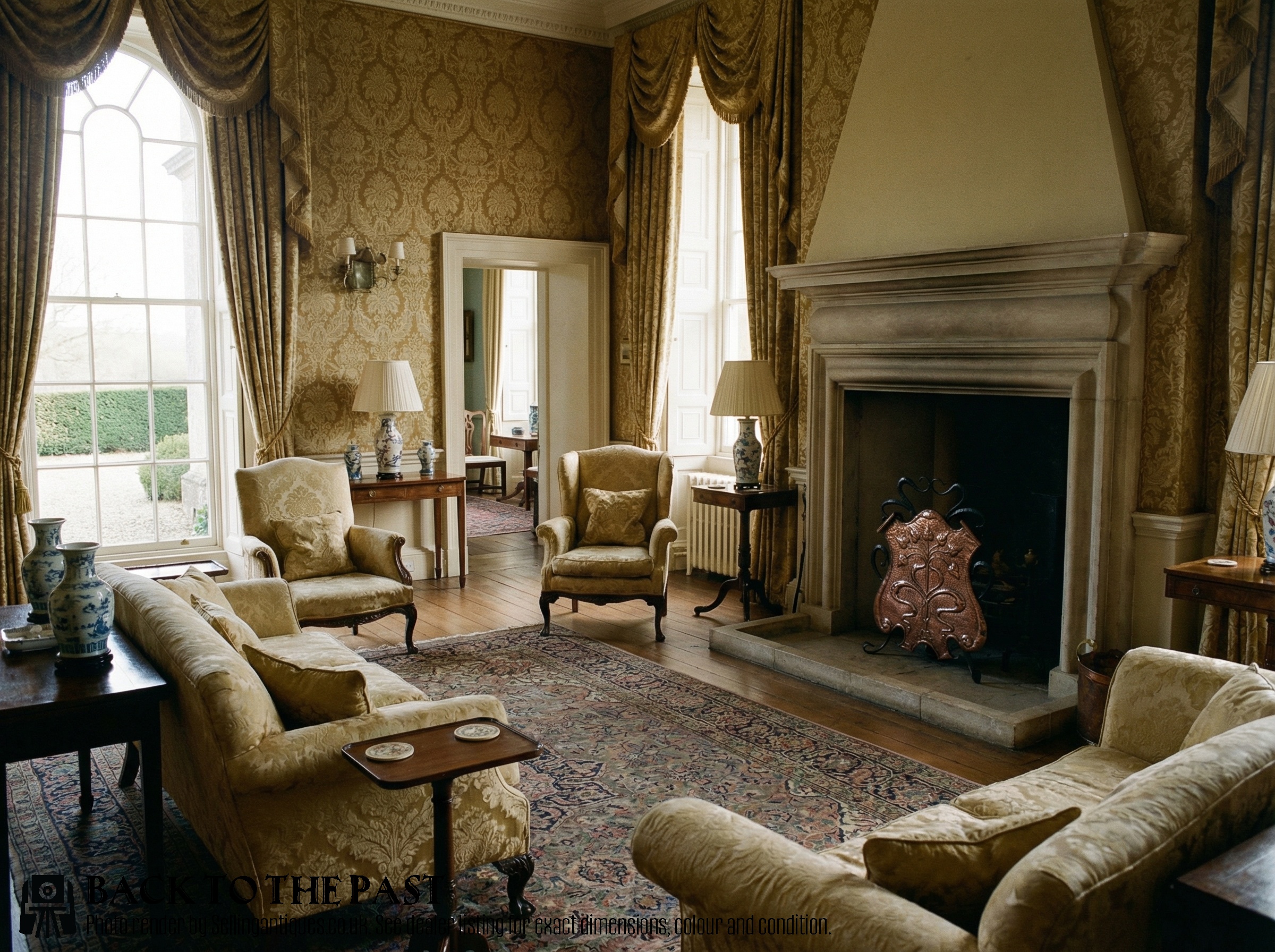
Vintage Metal Fireguard
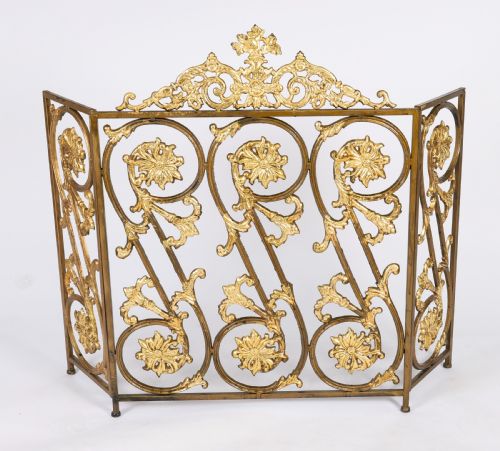
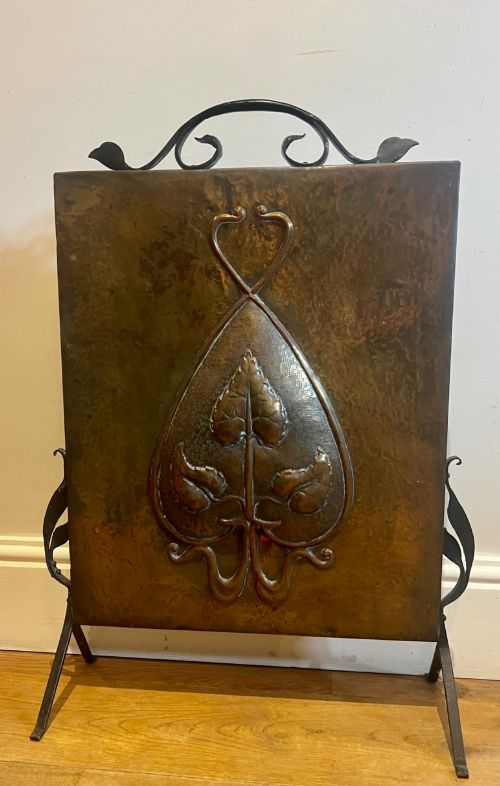
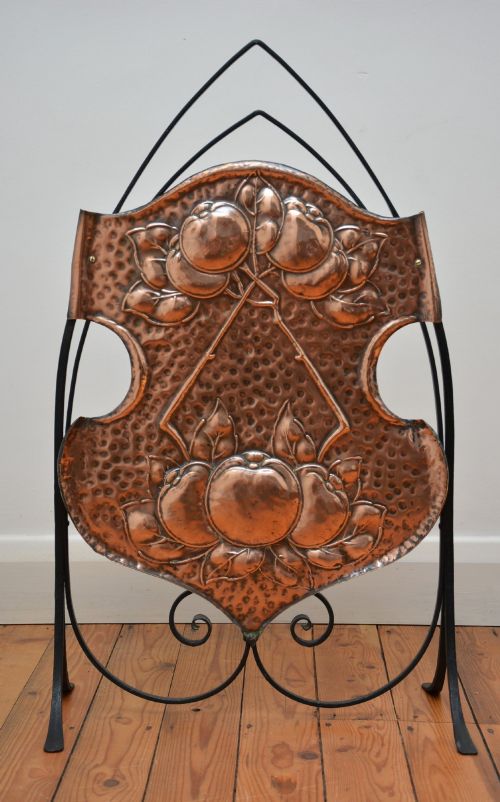
A vintage metal fireguard encompasses a practical range of hearth furniture, spanning freestanding fire screens, folding spark guards, and protective nursery fenders. These pieces emerge from the nineteenth century, the Edwardian era, and the nineteen-twenties, incorporating styles from the Georgian period up to Arts and Crafts designs.
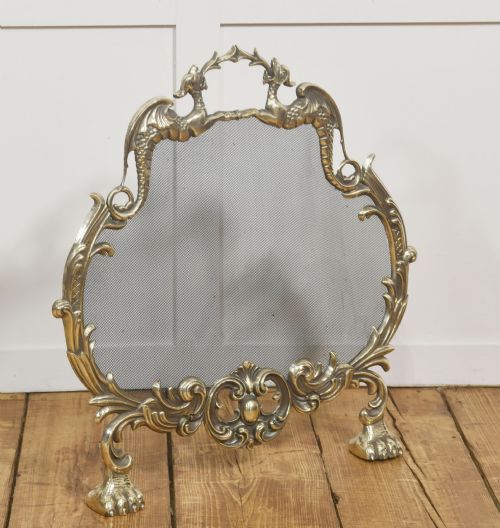
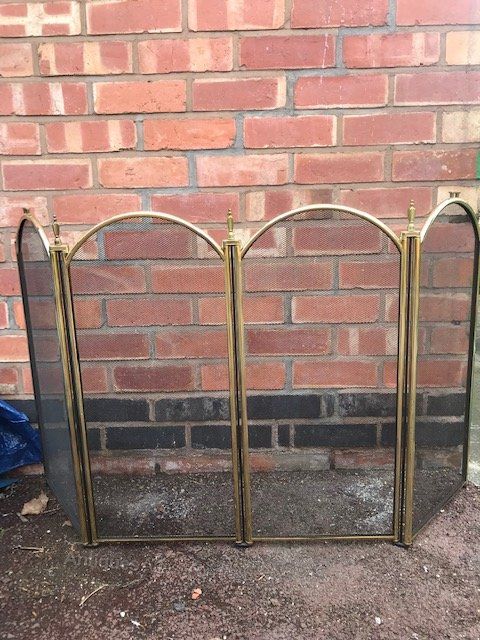
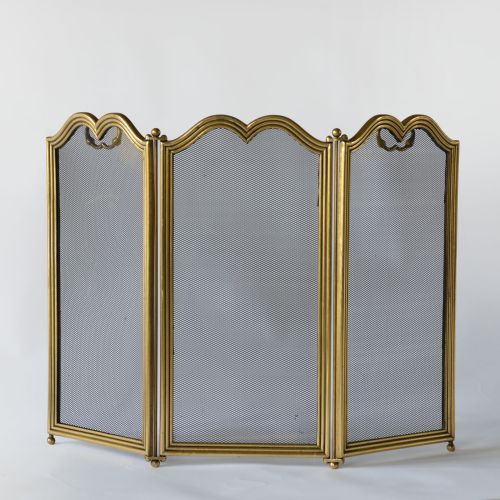
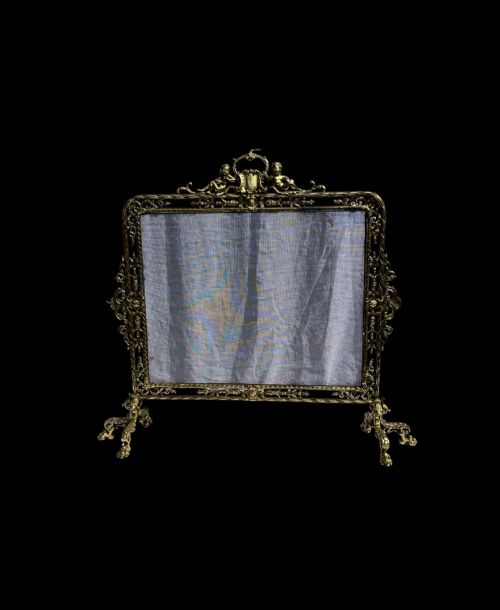
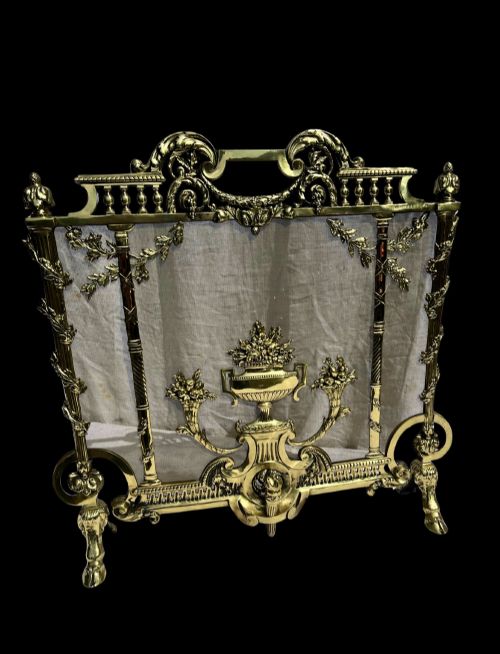
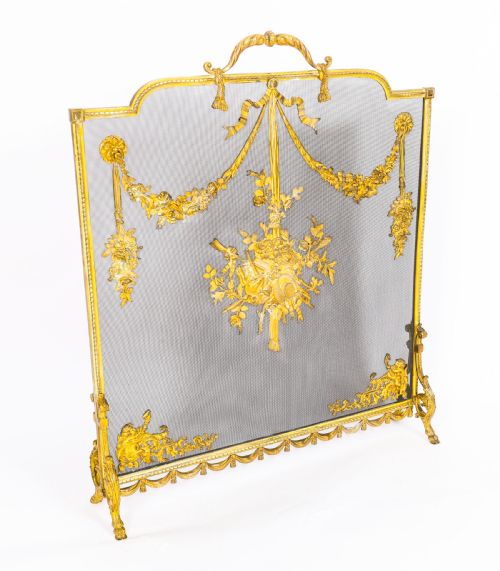
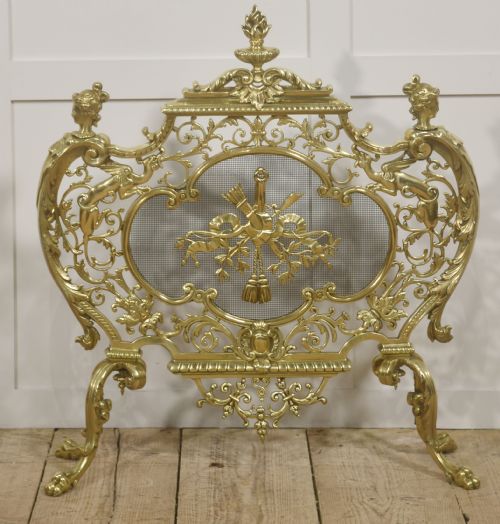
The most common examples on this page are upright brass fire screens and folding mesh guards, often bearing ornate piercing, embossed panels, or revivalist motifs such as French Rococo and Louis XIV styling.
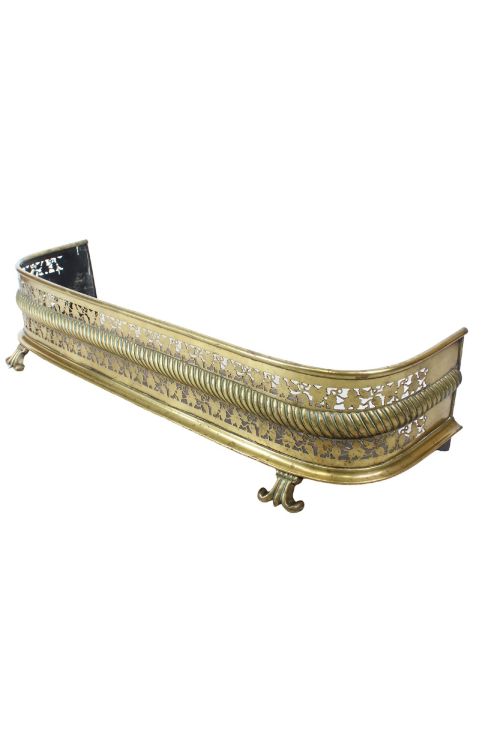
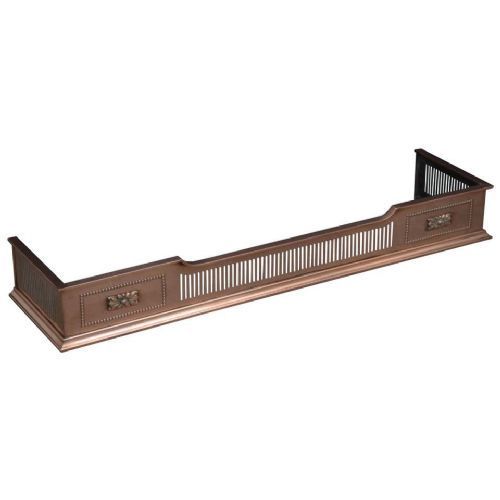
Heavier protective structures like wrought iron and steel nursery fenders also appear, designed originally to keep children safely away from open flames while blending utility with period craftsmanship.

Materials and construction methods
Makers utilised metals such as brass, copper, iron, steel, and gilt bronze, often combining wire mesh with solid sheet metal panels. Frames were frequently cast, pierced, or wrought by hand, while decorative elements involved chasing, embossing, and applied brass or copper details.
Folding sections utilised hinges to allow flexible placement around a hearth, and auxiliary components such as oak mounts, iron fire tools, or clothes rails supplemented the primary metal construction.
Distinctions in craftsmanship and design
Quality rests in the weight of the metal and the crispness of decorative chasing, piercing, and embossing. Mass-produced items often display simpler welded or stamped joints, whereas finer screens feature heavy cast brass, detailed floral or heraldic motifs, and robust multi-section folding frames.
The sophistication of the stylistic revival also separates standard utilitarian guards from exceptional decorative pieces, particularly where gilt bronze, finely woven wire mesh, and intricate French rococo scrollwork are present.
The Vintage Metal Fireguard Glossary
- Fire screen
- A freestanding upright panel placed before a fireplace to block radiant heat when the fire dies down.
- Nursery fender
- A low protective metal enclosure designed to surround a hearth and keep children at a safe distance from the flames.
- Spark guard
- A fine wire mesh screen used to catch flying embers and prevent them from damaging rugs or flooring.
- Patera
- A circular decorative relief carving or stamping resembling a classical medallion, frequently seen on Victorian metalwork.
- Fender
- A low metal frame placed on the floor around the hearth opening to contain ash and wood.
Vintage Metal Fireguard: Frequently Asked Questions
What is a vintage metal fireguard used for?
These pieces serve to block stray sparks and radiant heat from an open hearth while adding a decorative focal point to a room.
They function as both protective barriers and ornamental metalwork reflecting various historical revival styles.
How do I date a brass fire screen?
Dating relies on stylistic clues, construction methods, and materials recorded across the nineteenth and early twentieth centuries.
Heavier cast brass and specific revival motifs often point to Victorian or Edwardian manufacturing periods.
What is the difference between a fender and a screen?
A fender sits flat on the floor around the hearth boundary to contain fuel and protect the immediate flooring.
A screen stands upright to block heat and sparks directly in front of the fireplace opening.
Are these fireguards suitable for active fireplaces?
Many examples are built with wire mesh or sturdy iron and brass frames intended for practical hearth containment.
Wire mesh spark guards specifically function to catch embers during active fires.