




Antique French Fireguard
These antique french fireguard pieces combine practical hearth protection with decorative metalwork.

Antique French Fireguard
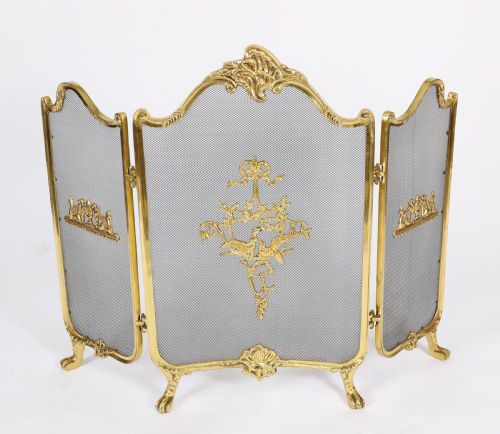
An antique french fireguard acts as a decorative screen placed in front of a hearth, designed to block stray sparks while the fire burns. These pieces serve as functional fireplace accessories that double as ornamental furnishings for the room.
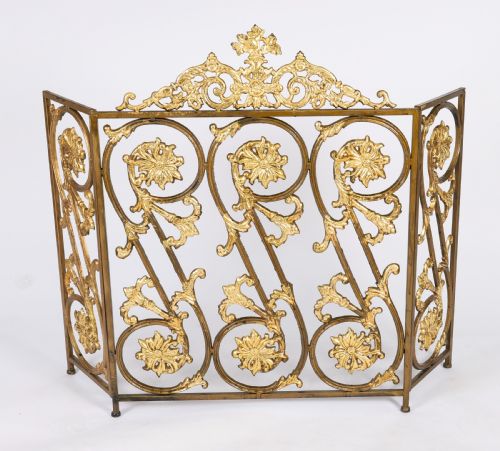
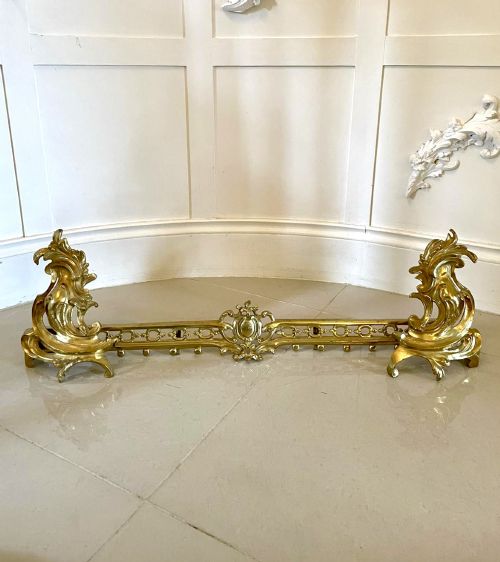
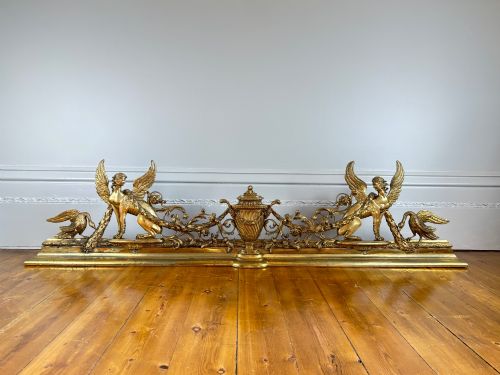
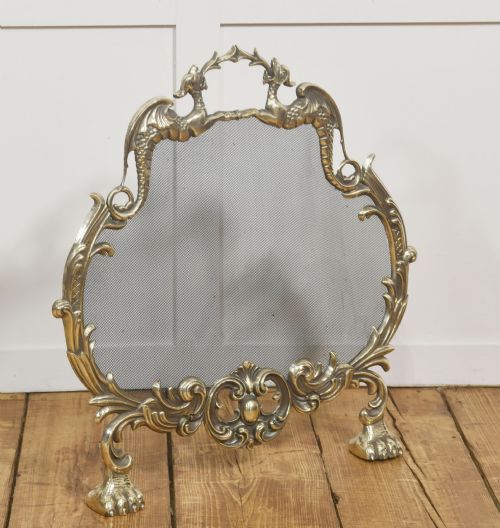
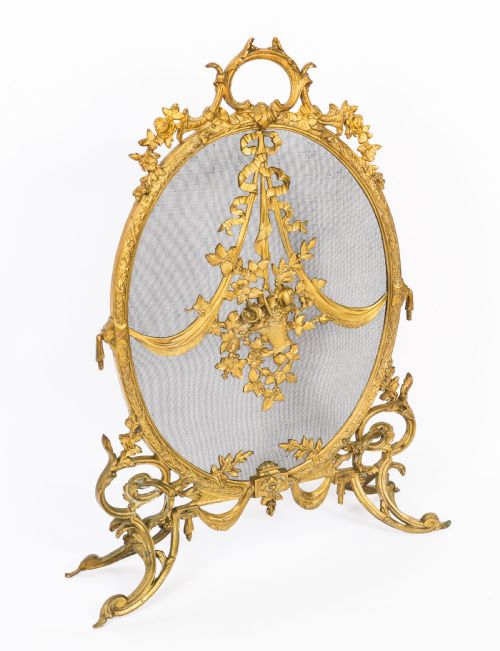
Originating largely from the nineteenth century, these guards draw on revival styles including Rococo, Louis XIV, and Neoclassical designs. They range from simple brass frames to ornate, multi-panel gilded bronze creations.
Materials and construction
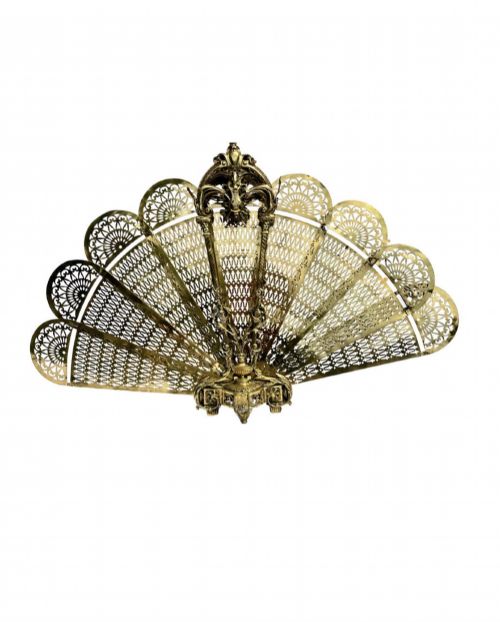
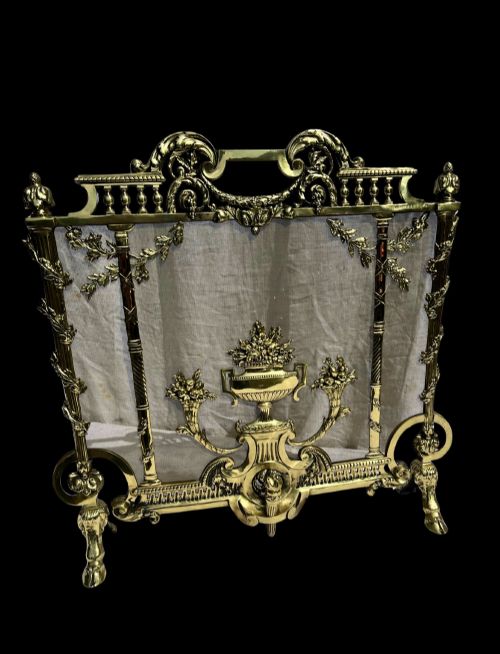
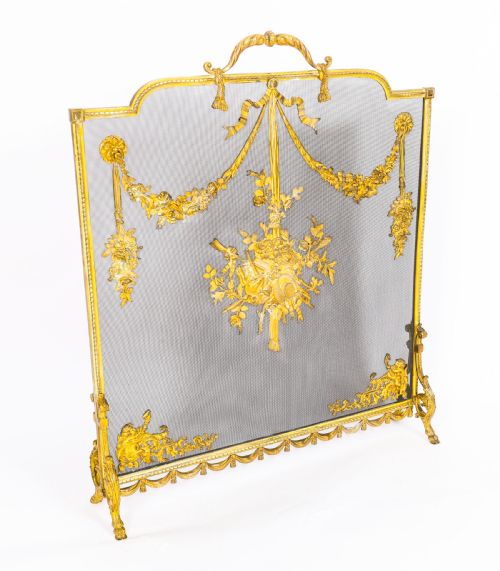
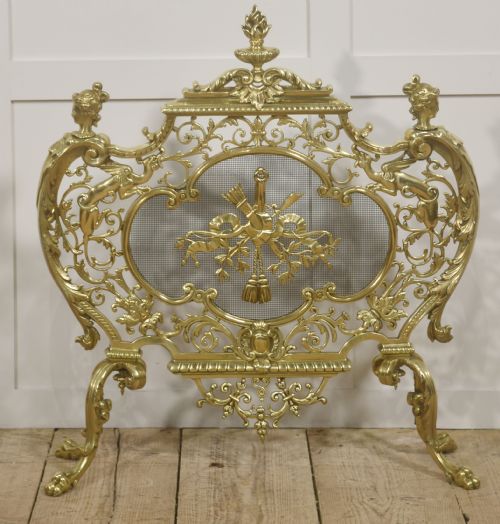
The construction of these pieces relies heavily on brass and gilt bronze, often shaped into ornate frames and intricate scrollwork. Artisans utilised cast brass and ormolu to achieve the detailed surface decoration seen in the revivals.
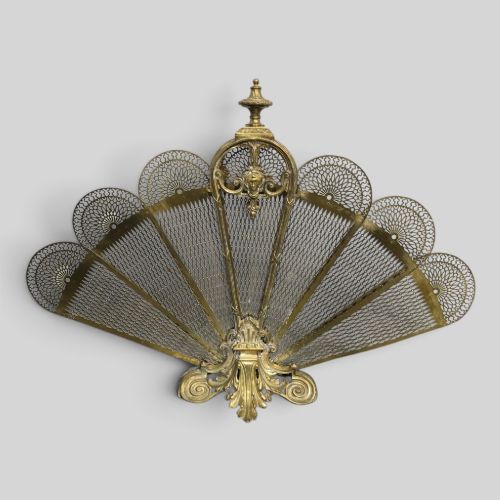
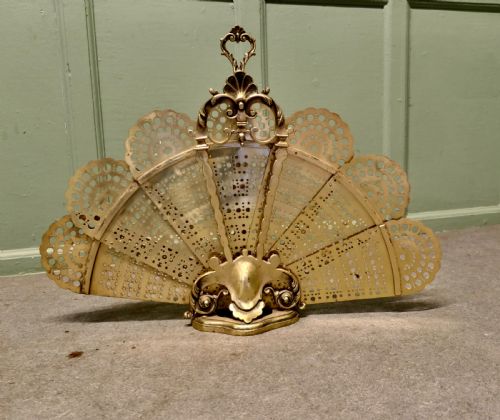
Wire mesh and fine metal netting form the central panels of many screens, allowing heat to radiate into the room while catching flying embers. Folding mechanisms and hinges allow multi-fold screens to adjust their width around the hearth.
Listings feature items dated across the nineteenth and early twentieth centuries, including Victorian examples alongside French Rococo and Neoclassical revival pieces.
Distinctions in quality
The distinction between standard production and superior work lies in the depth of the casting and the crispness of the chased detail. Heavier metalwork and refined gilding separate ambitious foundry pieces from simpler utilitarian screens.
Artisans who executed elaborate musical trophies, dolphin motifs, or complex floral casting achieved a level of definition that elevates a simple hearth guard into a decorative centerpiece.
E F Caldwell New York
The Antique French Fireguard Glossary
- Fire guard
- A protective barrier placed before a fireplace to contain sparks and ash. These items protect the surrounding floor and furnishings.
- Fender
- A low metal frame placed on the hearth around the base of a fireplace. They contain rolling logs and tidy the hearth area.
- Ormolu
- Gilded bronze applied to ornamental objects and furniture mounts. This technique gives metal a rich, golden surface finish.
- Rococo revival
- A nineteenth-century design movement mimicking the asymmetrical scrolls and shell motifs of the eighteenth century. It dominates much of the decorative metalwork seen here.
- Mesh
- A woven metal web fixed within the frame of a screen. It provides a transparent barrier against sparks.
Antique French Fireguard: Frequently Asked Questions
How do I use a fire guard?
Place the screen directly in front of the fireplace opening once the fire is lit to catch stray sparks and embers. Free-standing and folding models allow you to adjust coverage depending on the hearth size.
Ensure the base sits level on the hearth floor so the guard remains stable during use.
How do I clean brass and bronze?
Dust the metal regularly with a soft, dry cloth to prevent soot and dirt accumulation. Avoid harsh chemical cleaners that can strip original gilding or patina from antique surfaces.
Consult a professional restorer if the piece requires deeper conservation work or structural repairs.
How do I date a fire screen?
Examine the casting quality, fastening methods, and stylistic cues such as Rococo revival or Neoclassical motifs. Nineteenth-century pieces often display heavy brass casting and hand-finished details.
Compare the materials and construction techniques with documented examples from the same period.