





Louis XV Fire Screen
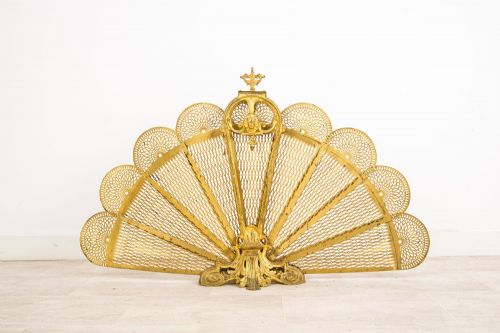
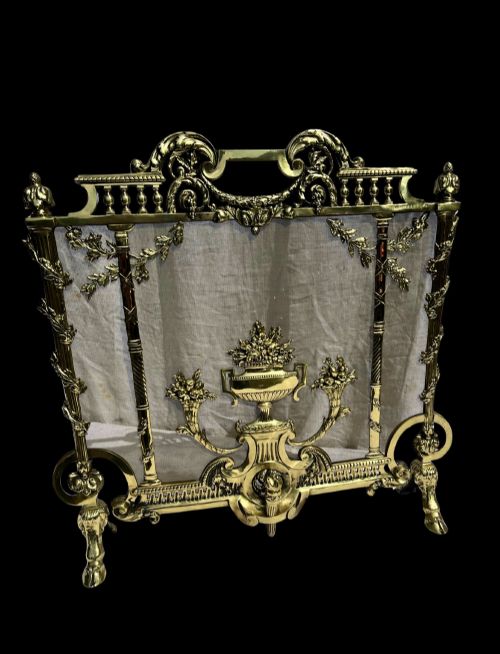
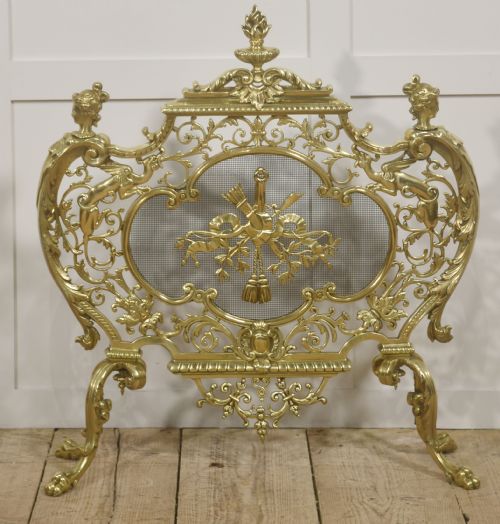
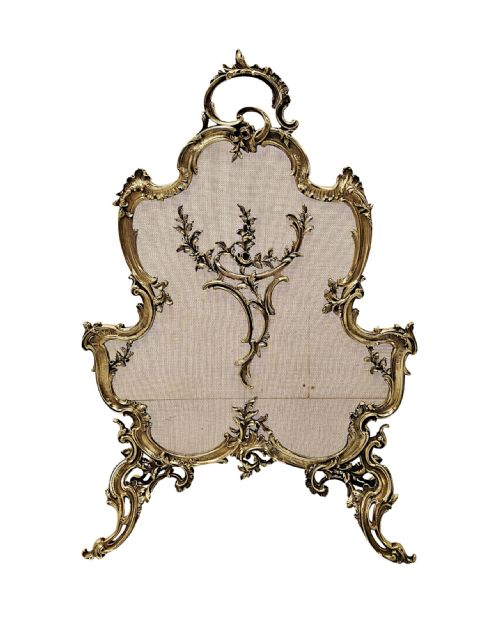
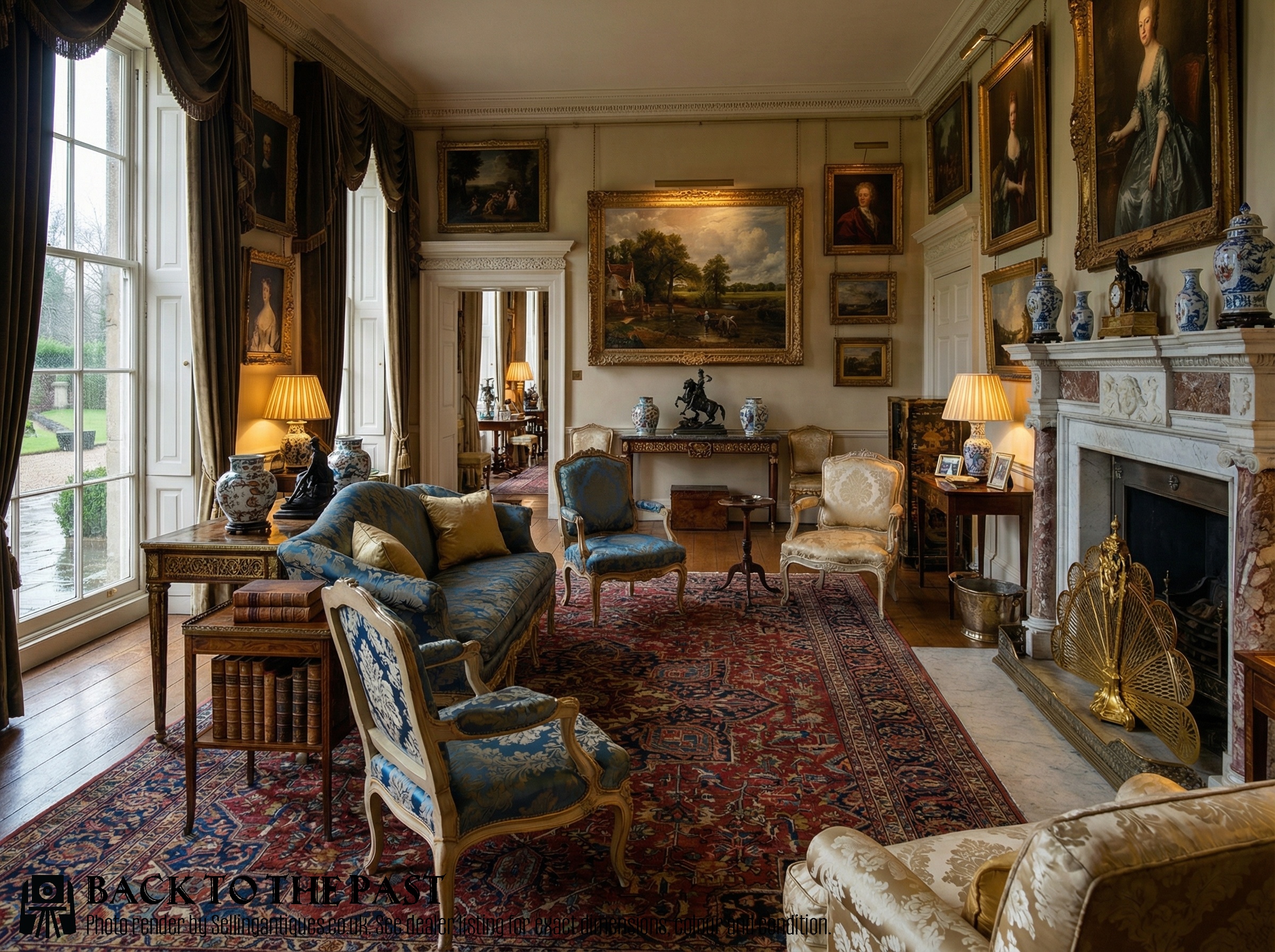
These louis xv fire screen pieces bring French rococo elegance to a hearth, combining brass or gilt bronze frames with fine wire mesh.

What these pieces are
When you search for a louis xv fire screen, you are looking at decorative hearth guards designed to block stray sparks while remaining visually light. The examples found here span the nineteenth century and the early twentieth century, reflecting enduring French rococo and rococo revival tastes.
Most items on this page take the form of freestanding brass or gilt bronze screens. You will encounter both single-panel designs and folding configurations utilising wire, steel, or brass mesh.
Origins remain firmly French, with makers adopting the sweeping asymmetry and ornate casting typical of the Louis XV style. These pieces serve as both functional room accessories and sculptural metalwork centrepieces.
How they were made
Craftsmen utilised cast brass and gilded or ormolu bronze to form the structural frames of these screens. Metalworking techniques allowed for pierced details, scrollwork, and asymmetric foliage characteristic of the French rococo style.
Insets typically consist of woven wire mesh or steel mesh secured within the heavy cast borders. Some historic variations also incorporate textile elements like tapestry panels framed in wood or metal.
Retail Price Guide 2026
Typical UK retail prices for louis xv fire screen, calculated from the Sellingantiques database of over a million retail prices indexed since 2003. This retail price guide relies exclusively on Sellingantiques data; no external sources or auction records are used, so the figures do not describe the wider market.
Current listings feature materials including brass, wire mesh, gilt bronze, and steel mesh across the nineteenth and early twentieth centuries.
What varies in quality
The distinction between standard production and finer examples rests upon the crispness of the bronze casting and the depth of the chasing. Superior pieces display sharply defined rococo scrolls and substantial weight in the metal frame.
Quality also shows in the integration of the mesh and the stability of the folding hinges on multi-panel guards. Heavier gilding and more elaborate piercing separate the exceptional fire screens from simpler utilitarian versions.
The Louis XV Fire Screen Glossary
- Ormolu
- Gilded bronze, where a gold-mercury amalgam is applied to a bronze base. This technique produces a rich metallic lustre seen on finer French hearth furniture.
- Rococo
- An eighteenth-century artistic style defined by elaborate ornamentation, C-scrolls, and asymmetrical natural forms. It experienced major revivals throughout the nineteenth century.
- Fire guard
- An alternative term for a fire screen, emphasising its practical role in containing sparks from an open hearth. These often feature folding mesh panels.
- Pierced brass
- Metalwork that has been cut through to create decorative open patterns. It lightens the visual weight of heavy brass frames.
Frequently Asked Questions
How do I use a fire screen?
These screens stand in front of an active fireplace to catch stray embers and sparks. They protect flooring and furnishings while the fire burns down.
When the fireplace is not in use, the decorative metalwork remains as a focal point in the room.
How do I clean gilt bronze?
Dust the metal gently with a soft, dry cloth to prevent buildup in the intricate rococo crevices. Avoid harsh chemical polishes that can strip the gilding.
For the mesh panels, a soft brush removes soot and debris without straining the wire weave.
Are these screens freestanding?
Yes, all the listed pieces are designed to stand independently on the floor before a hearth. Stable feet or multi-fold frames ensure they remain upright.
Folding versions allow you to adjust the width and angle of the guard to fit different fireplace openings.
What is the difference between brass and ormolu?
Brass is an alloy of copper and zinc, commonly used for durable cast frames and pierced panels. Ormolu refers specifically to gilded bronze, offering a warmer golden finish.
Ormolu pieces generally indicate higher production quality and more refined chasing work.