
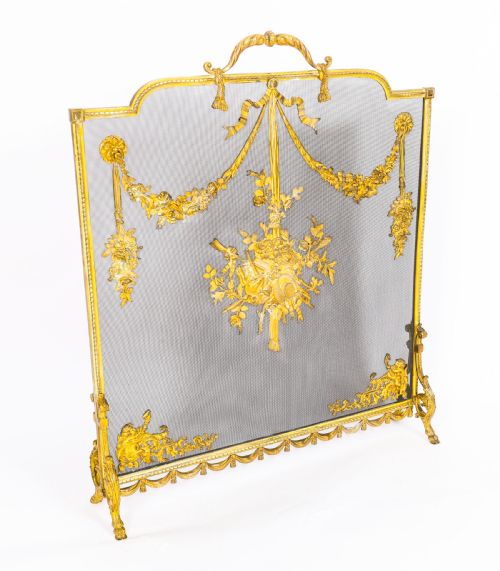
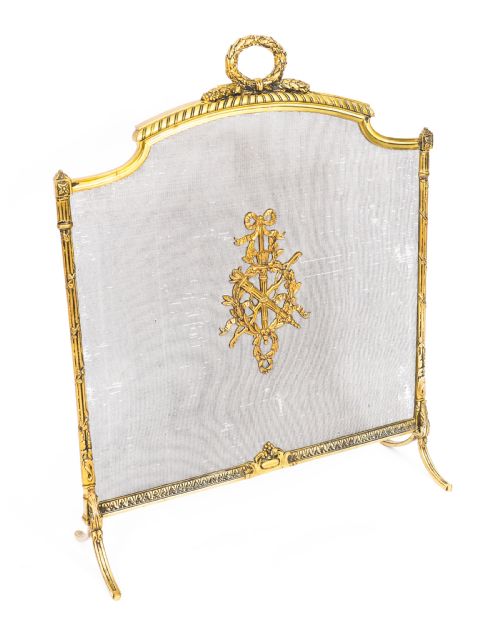


French Fireplace Screen
A French fireplace screen brings continental metalwork to the hearth, offering decorative protection from sparks.
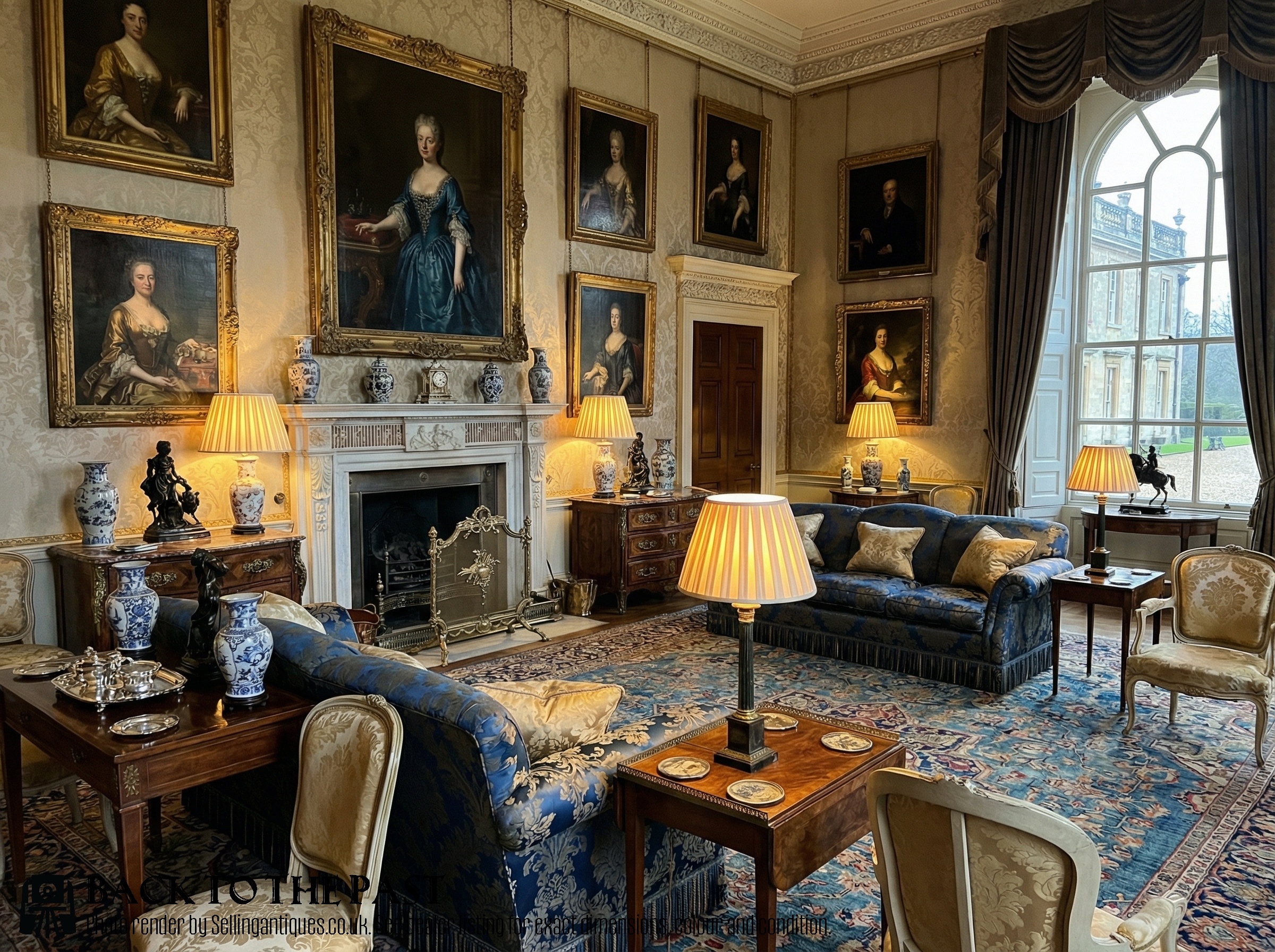
French Fireplace Screen
A french fireplace screen is a protective guard placed before a hearth, combining utility with decorative metalwork. When searching this phrase, buyers encounter examples originating primarily in the nineteenth century.
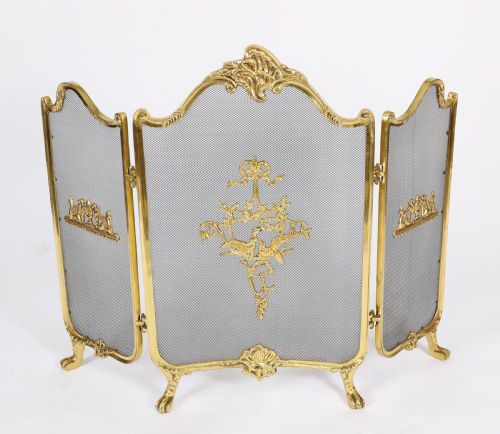
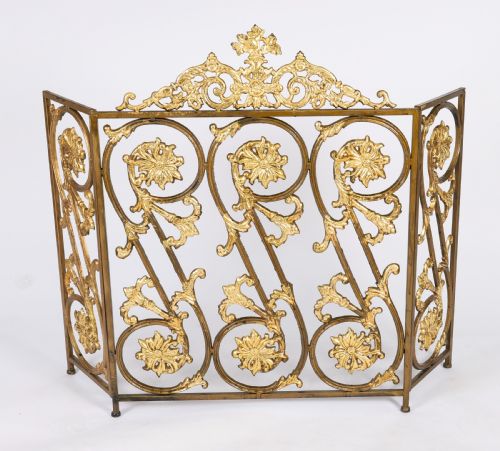
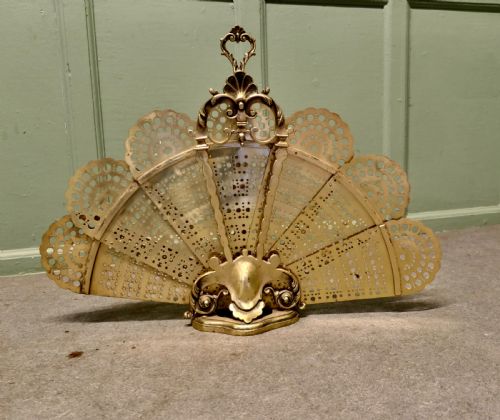
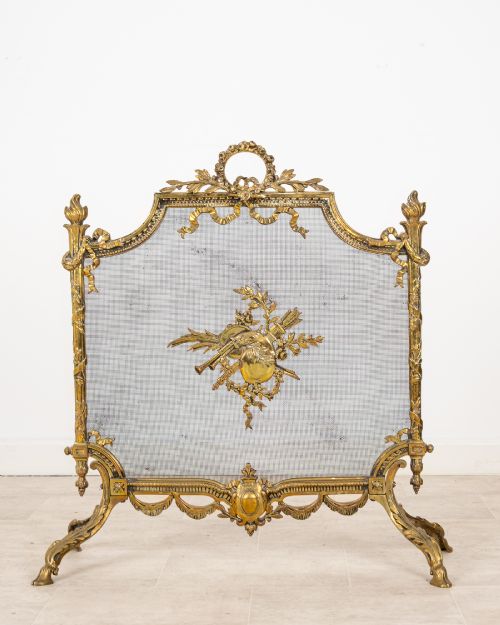
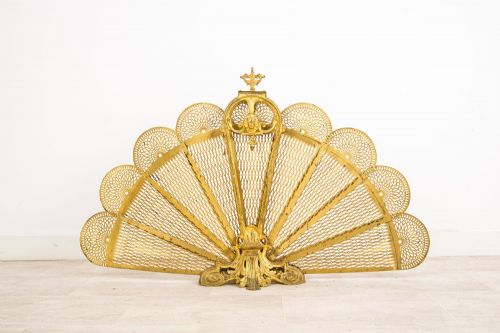
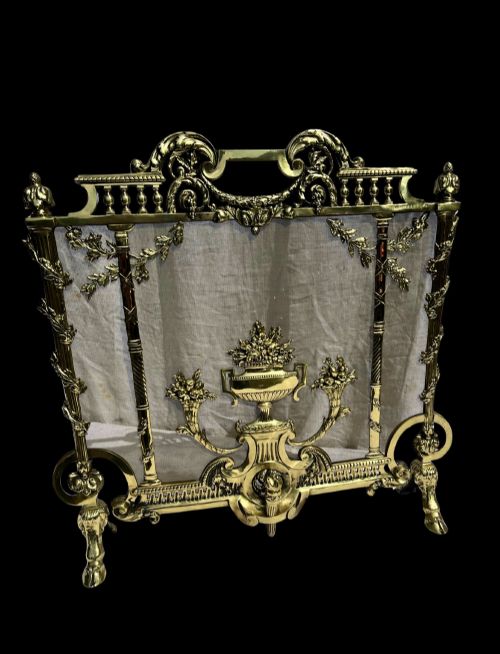
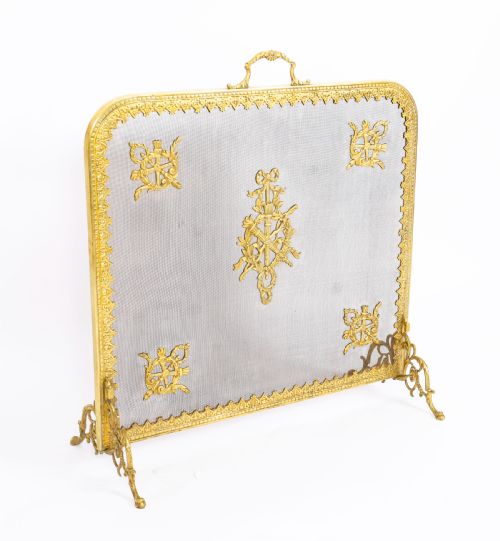
Designs range from simple wire mesh guards to ornate folding screens featuring cast motifs such as flaming torches, musical trophies, and dolphins. Many items utilise a three-fold or expanding fan structure for domestic use.
How they were made
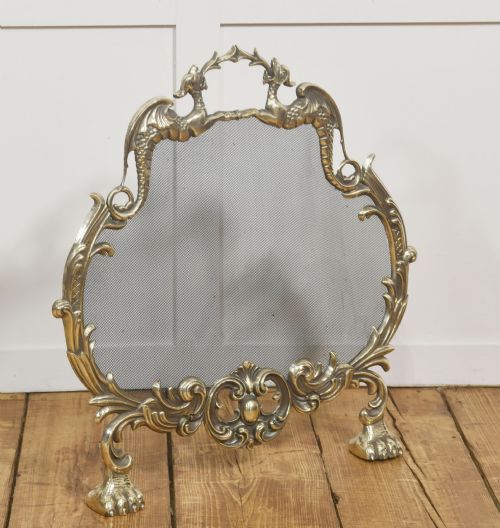
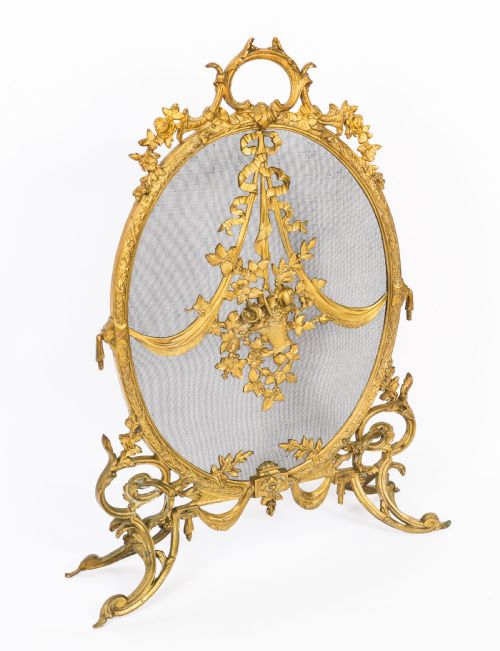
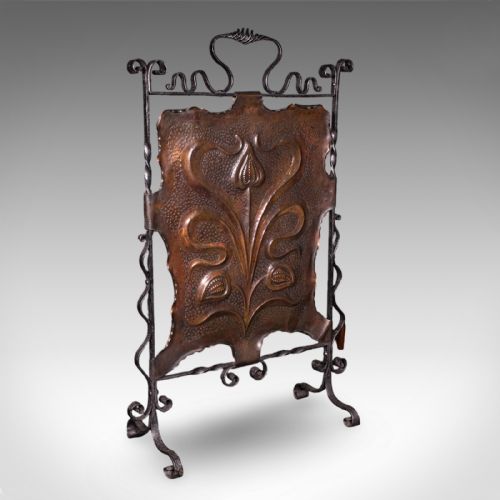
Makers utilised cast brass, gilt bronze, and copper, shaping metal through casting, piercing, and repoussé techniques. Frames often support fine wire mesh or articulated metal plates.
Gilt finishes and painted details enhance the decorative metalwork, while folding mechanisms rely on hinges that allow fan-shaped or multi-panel designs to expand and contract.
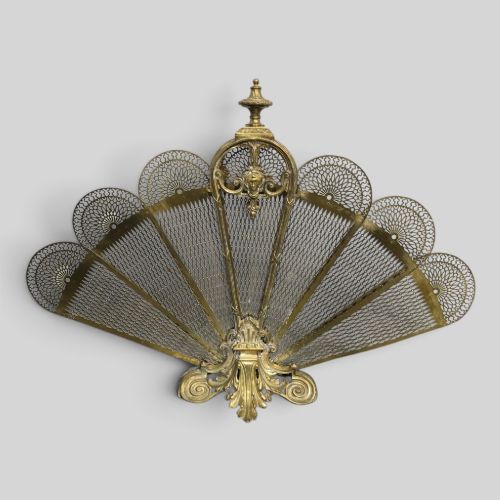
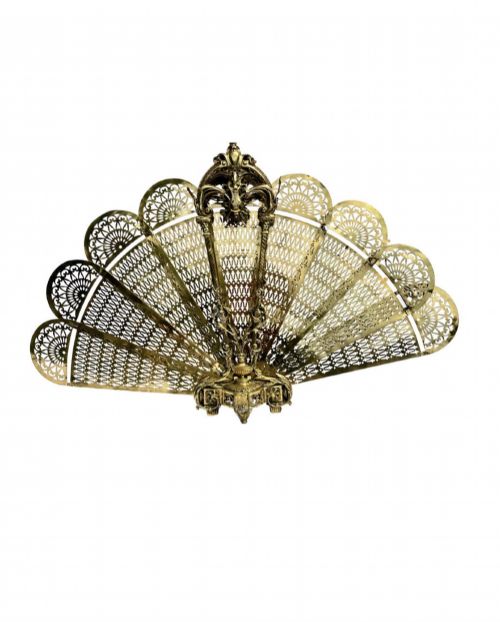
Some folding screens deploy mechanical peacock tails of gleaming brass to guard the hearth against stray embers with avian flair.
What varies in quality
The sophistication of the casting and chasing separates standard production from finer pieces. Heavier gauge brass and crisply articulated motifs indicate superior workshop output.
Complexity of design also influences quality, particularly in multi-fold screens and intricate openwork frames featuring classical trophies or figural elements.
The French Fireplace Screen Glossary
- Gilt bronze
- Metal cast with a gold-coloured finish. This material appears frequently in nineteenth-century French hearth accessories.
- Peacock fan
- A folding screen formed of overlapping metal blades that open like a tail. These designs save space when the hearth is not in use.
- Rococo revival
- A nineteenth-century style featuring asymmetrical scrolls and naturalistic floral motifs. It dominates much of the French metalwork seen here.
- Spark screen
- A protective mesh barrier designed to catch embers. These guards balance decorative metal frames with practical domestic safety.
French Fireplace Screen: Frequently Asked Questions
How do I use a folding screen?
Expand the panels or fan blades to cover the hearth opening when the fire is lit. This blocks stray sparks while allowing heat to circulate into the room.
Fold the screen flat or collapse the fan mechanism when the fireplace is not in use to save floor space.
What metals are these screens made from?
Most examples utilise brass, gilt bronze, copper, or steel mesh. Frames are typically cast or pierced with decorative motifs.
Surface finishes include gilt brass and painted highlights, particularly on nineteenth-century revival pieces.
How do I identify French revival styles?
Rococo revival pieces display flowing asymmetrical scrolls, floral patterns, and naturalistic curves. Louis styles incorporate formal classical trophies, urns, and architectural symmetry.
Examine the cast metal details for clues to the specific nineteenth-century design period.
Are these screens freestanding?
Yes, these pieces stand independently on feet or supportive frames placed directly on the hearth. Multi-fold designs provide their own stable base when angled.
Ensure the screen is positioned firmly on level flooring before the fireplace.