


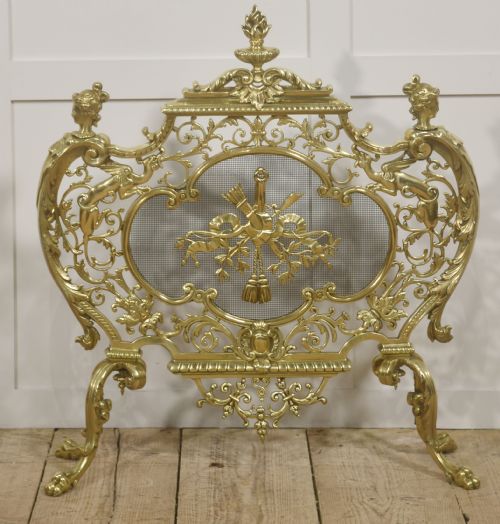


French Rococo Fire Screen
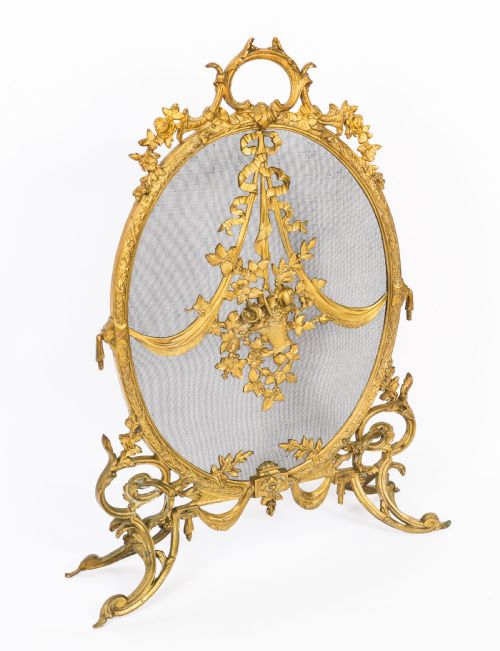
A French rococo fire screen brings asymmetrical curves and gilt warmth to a hearth, shielding a room from sparks while anchoring the fireplace.
Identifying French rococo fire screens
A french rococo fire screen forms a decorative barrier placed before a hearth, combining ornamental metalwork with practical spark protection. When searching for this phrase, collectors encounter pieces primarily originating from the nineteenth century, reflecting nineteenth-century revivals of earlier continental motifs.
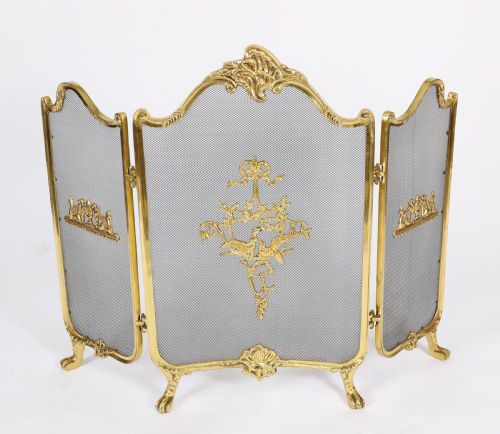
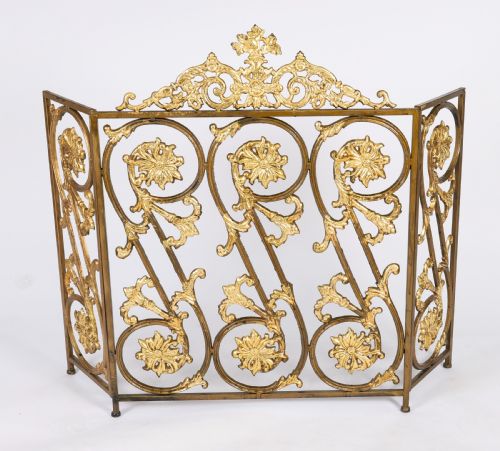
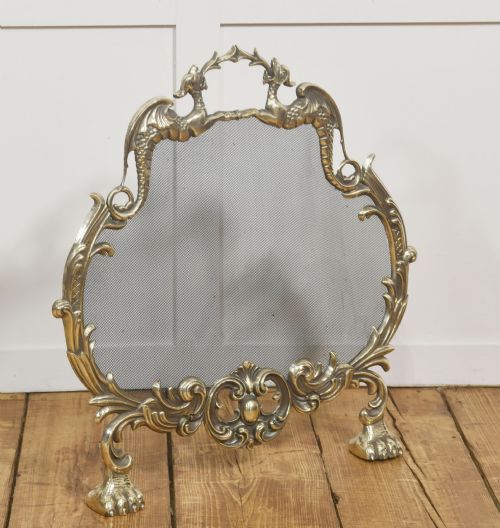
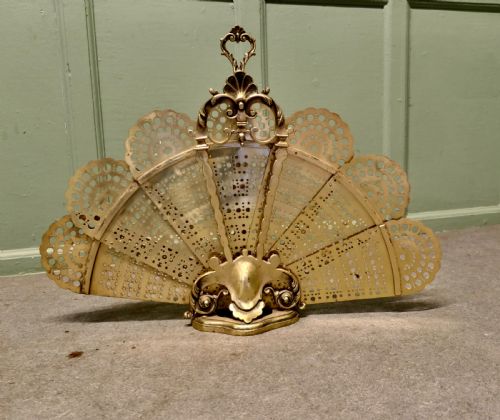
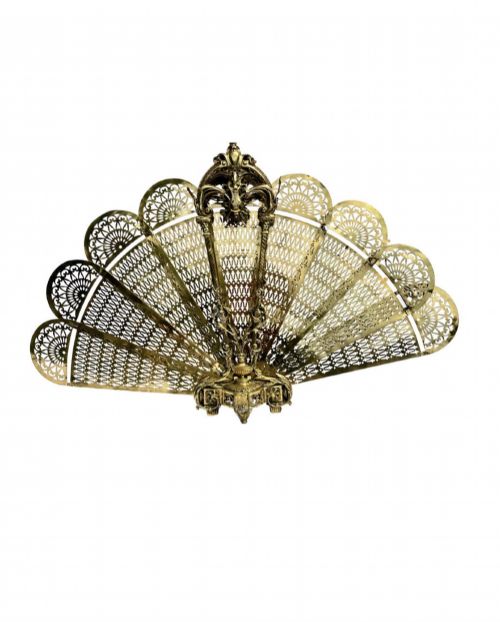
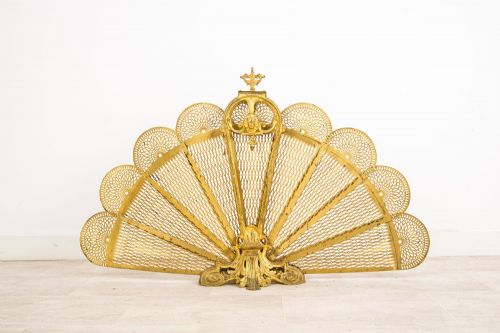
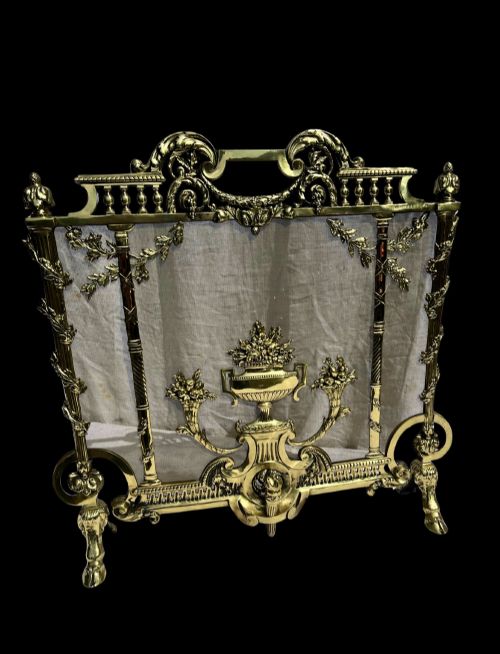
The dominant variants seen on this page include folding peacock designs, pierced brass panels, and triple-panel frames cast in gilt bronze, brass, or ormolu. These objects range from restrained folding guards to elaborate freestanding panels designed in the rococo manner.
Most examples hail from the nineteenth century, spanning decades such as eighteen eighty and nineteen ten, alongside broader nineteenth-century attributions. Their forms rely heavily on French rococo revival and neoclassical aesthetics.
Materials and construction
Construction relies upon metals such as brass, gilt bronze, and ormolu, shaped through casting and pierced work to achieve intricate openwork patterns. Wire mesh and woven spark screens provide the functional barrier behind the decorative metal frames.
Craftsmen utilised casting techniques to form the sweeping, asymmetrical scrollwork characteristic of the style, finishing surfaces with gilding or polished brass. Folding mechanisms in certain designs required articulated hinges to allow the flanking panels to fan outward.
Retail Price Guide 2026
Typical UK retail prices for french rococo fire screen, calculated from the Sellingantiques database of over a million retail prices indexed since 2003. This retail price guide relies exclusively on Sellingantiques data; no external sources or auction records are used, so the figures do not describe the wider market.
Several folding brass fire screens adopt the clever silhouette of a peacock’s tail, fan-spreading across the hearth when opened.
Assessing quality and execution
Quality rests in the crispness of the cast ornamentation and the depth of the chasing on gilt bronze and brass surfaces. Superior examples display sharply defined scrollwork and substantial metal gauge rather than thin, flat stampings.
The sophistication of the overall silhouette distinguishes finer pieces, particularly where asymmetrical frames balance stability with decorative fluidity. Original gilding and intact mesh panels also contribute significantly to the standing of a piece.
The French Rococo Fire Screen Glossary
- Ormolu
- Gilt bronze produced by applying a finely ground high-carat gold mercury amalgam to a bronze object. This technique creates a rich, durable surface finish found on high-end French metalwork.
- Rococo Revival
- An artistic movement during the nineteenth century that revived the curving, asymmetrical ornamentation of the eighteenth-century French court. It favours naturalistic motifs like C-scrolls, foliage, and shell forms.
- Spark Screen
- A protective mesh barrier incorporated into a fire screen to catch flying embers from an open hearth. It balances decorative metal framing with functional room safety.
- Fire Guard
- An alternative term for a fire screen, denoting its primary function as a physical barrier in front of a fireplace. These guards range from single rigid panels to expanding folding fans.
Frequently Asked Questions
What is a french rococo fire screen?
A french rococo fire screen is a decorative metal hearth guard designed during the nineteenth century, drawing on earlier French decorative styles.
These pieces feature asymmetrical scrollwork, pierced brass, or gilt bronze, serving both as spark protection and ornamental centrepieces.
How do you use a fire screen?
A fire screen stands directly in front of an active or dormant fireplace to manage sparks and dress the hearth when the fire is unlit.
Folding versions can be adjusted in width to fit various fireplace openings, while rigid panels remain stationary.
How do I date a brass fire screen?
Dating relies on stylistic clues, manufacturing techniques, and material composition, with many examples on this site originating from the nineteenth century.
Cast brass and gilt bronze indicators point toward nineteenth-century revival periods rather than eighteenth-century originals.
Are these screens suitable for daily use?
Many of these screens feature robust brass and wire mesh construction capable of withstanding regular hearthside placement.
Care should be taken with delicate gilt surfaces and articulated folding joints during routine handling.