


Antique Copper Fireguard
An antique copper fireguard brings warmth and texture to a hearth while keeping stray embers safely contained.
Antique Copper Fireguard
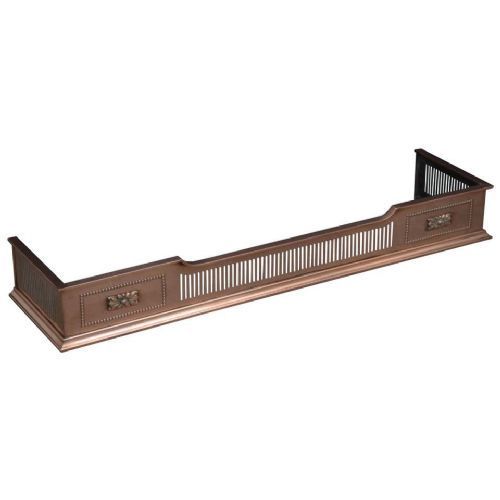
When you search for an antique copper fireguard, you are looking at hearth furniture designed to protect a room from sparks and flying embers. These pieces combine utilitarian metalwork with decorative metal panels, often taking the form of screens or fenders.
The versions you are most likely to meet on this page date from the late nineteenth century through to the early decades of the twentieth century. They reflect the aesthetic movements of their day, drawing heavily on Arts and Crafts and Art Nouveau design principles.
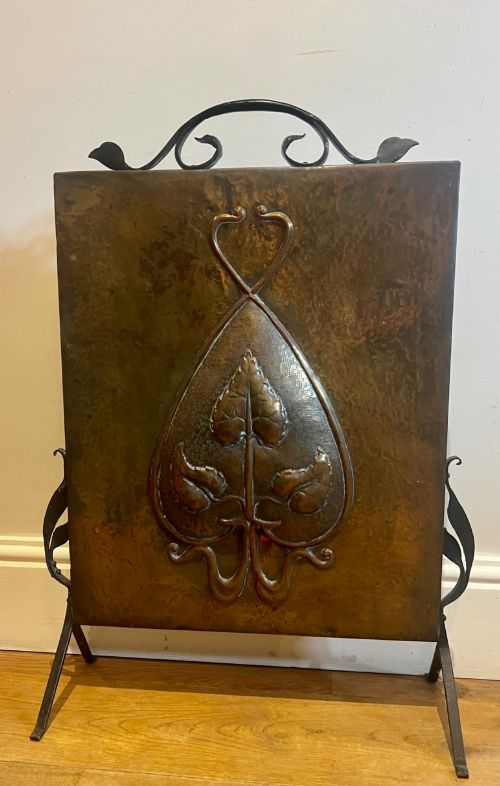
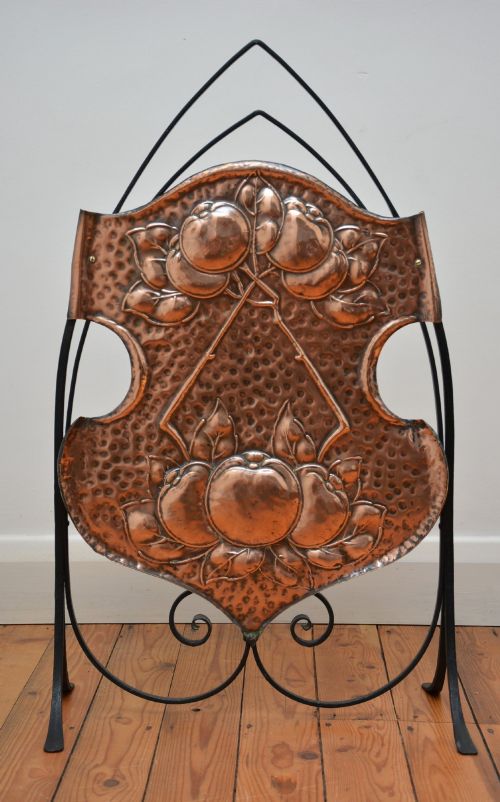
Most examples pair a hammered or embossed copper panel with a sturdy frame of wrought iron, brass, or oak. Some variations include fine wire mesh or folding sections to enclose the hearth more securely.
How they were made
Maker's hands shaped these pieces using sheet copper, often worked in relief with floral motifs, patera, or sinuous linear patterns. The metal was frequently mounted onto robust iron or oak frames to provide structural rigidity.
Craftsmen utilised traditional metalworking techniques such as hand-beating, riveting, and soldering. Brass accents and wrought iron supports were commonly integrated to contrast with the warm reddish tone of the copper.
Antique Copper Fireguard Retail Price Guide 2026
Typical asking prices for copper fireguard among the pieces listed under this phrase on Sellingantiques today, from the lower quarter to the upper quarter. They describe what is for sale here now, not the wider market.
Listings span from the Victorian era through the Edwardian period, uniting wrought iron, oak, and copper.
What varies in quality
Quality in these pieces rests upon the thickness of the copper sheet and the depth of the hand-worked relief. Finer examples display crisp detail in the repoussé decoration and careful joinery in the wooden or iron frames.
The integrity of the construction, from the stability of the feet to the weave of any attached wire mesh, dictates the calibre of the piece. Superior items retain their original patination and show a considered balance between decorative surface and structural support.
The Antique Copper Fireguard Glossary
- Repoussé
- Metalworking technique where the metal is hammered from the reverse side to form a raised design in relief. This method defines the decorative panels seen on many hearth screens.
- Patera
- A circular ornamental bas-relief resembling a classical libation dish. These motifs frequently appear as central decorative bosses on Victorian and Arts and Crafts metalwork.
- Fender
- A low metal guard placed around the hearth to contain coal and ash. Some variants incorporate seating or match with companion fire dogs.
- Art Nouveau
- A style of art and design characterised by fluid, organic lines and floral motifs. It heavily influenced the ornamentation of domestic metalwork around the turn of the twentieth century.
- Arts and Crafts
- A design movement valuing traditional craftsmanship and simple forms over mass production. Pieces from this tradition often feature visible hand-beating and honest construction.
Antique Copper Fireguard: Frequently Asked Questions
How do I clean a copper fireguard?
Dust the surface regularly with a soft, dry cloth to prevent soot buildup. Avoid harsh chemical polishes that strip away the aged patination collectors value.
If cleaning is necessary, use a mild, pH-neutral soap solution and dry the metal thoroughly afterwards to prevent tarnishing.
Can I use an antique fireguard with a real fire?
Most antique fireguards function well with open fires, provided they feature sturdy iron frames and secure mesh or solid panels. Check that the structure remains stable before placing it near intense heat.
Folding designs and heavy screens offer practical protection, but delicate antique panels should be monitored for heat stress.
How do I date an antique fireguard?
Examine the materials, construction methods, and stylistic motifs present in the piece. Late nineteenth-century examples often display Victorian detailing, while turn-of-the-century items frequently exhibit Arts and Crafts or Art Nouveau characteristics.
The use of wrought iron frames, specific fastener types, and hand-beaten copper panels helps narrow down the period of manufacture.
What is the difference between a fire screen and a fender?
A fire screen is an upright panel designed to shield the room from radiant heat and stray sparks. It stands on feet and can be moved closer to or further from the hearth.
A fender is a low barrier that sits directly on the floor around the perimeter of the fireplace opening, often keeping logs and ash contained within the hearth area.