
Victorian Fire Guard
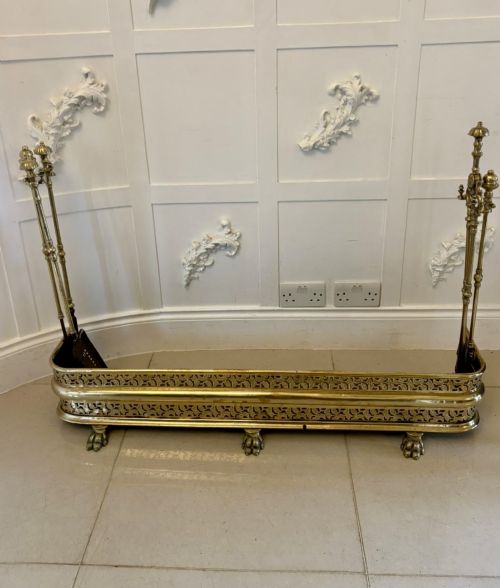
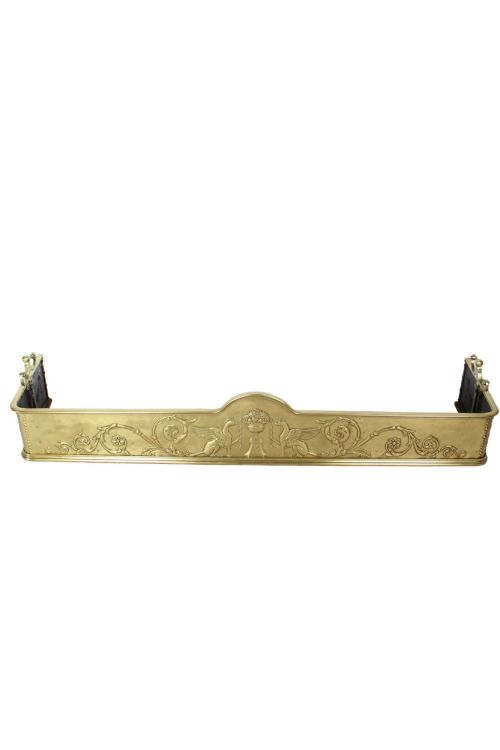
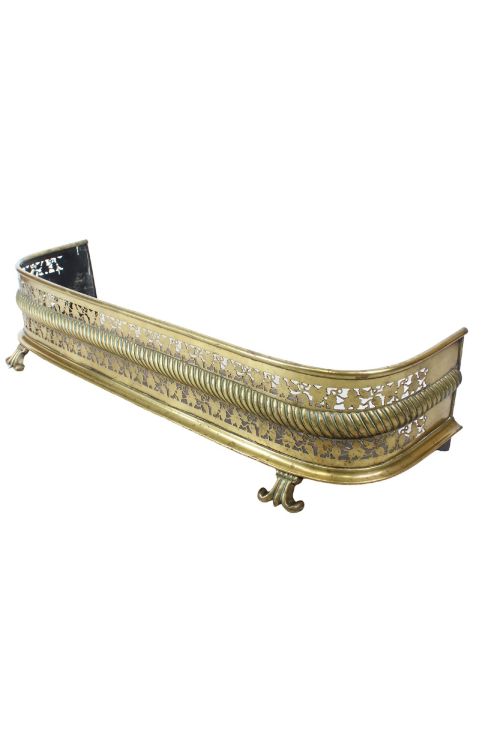
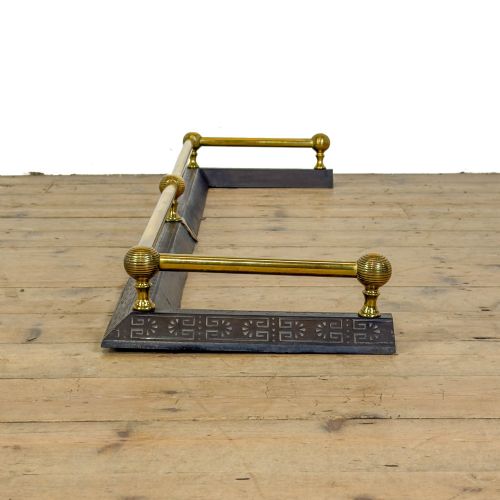
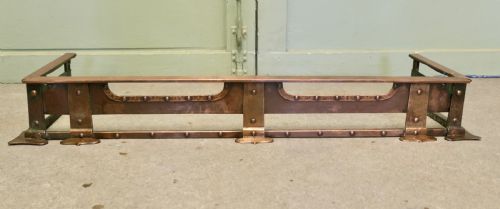
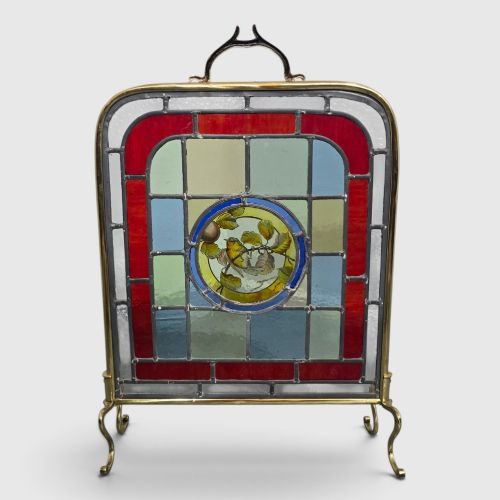
A victorian fire guard brings solid brass, iron mesh and textile panels together to protect a room while framing the hearth.
Victorian Fire Guard
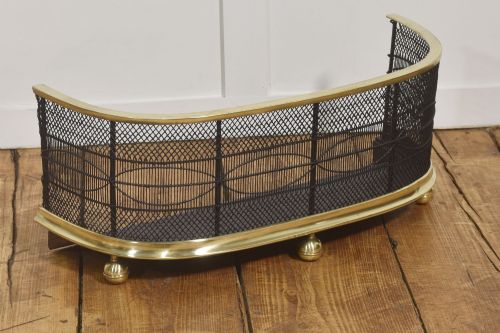
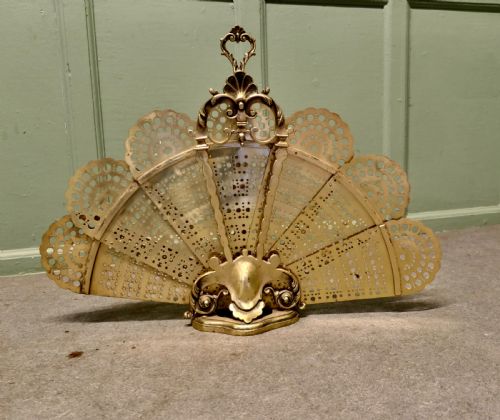
A victorian fire guard serves as a functional barrier for the hearth, encompassing nursery guards, spark screens, folding peacock designs and framed firescreens. The pieces appearing here span the Victorian period into the early twentieth century, utilising forms ranging from serpentine wire mesh to sturdy iron and brass frames.
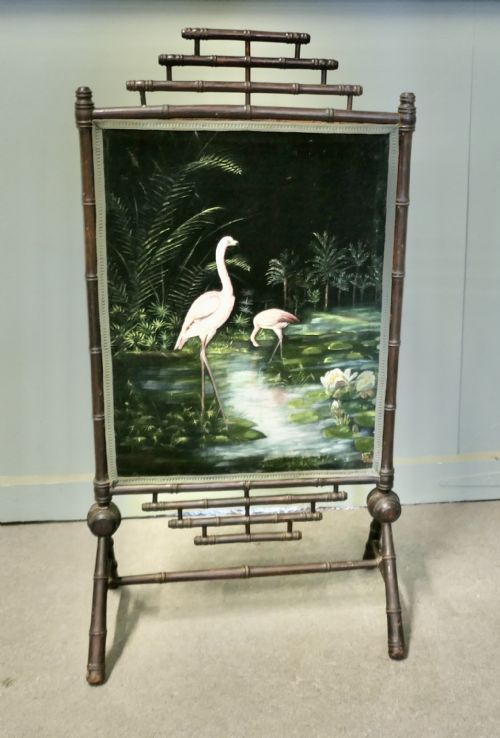
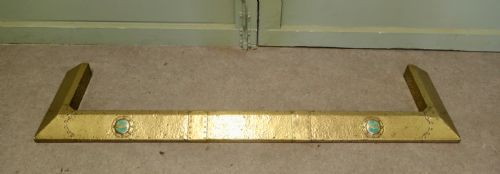
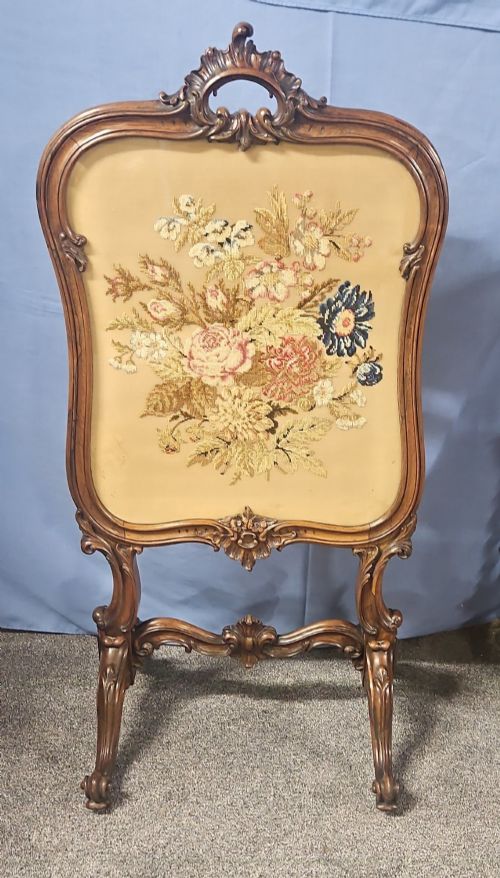
Buyers encounter heavy gauge brass fenders combined with fire guards, alongside carved mahogany, oak and rosewood firescreens inset with Berlin work panels, figural tapestry and canvas. Simple brass fire screens and curved spark screens also feature across these examples.
Originating primarily from the nineteenth century, these fireplace accessories range from domestic nursery guards with top rails to decorative folding screens designed for parlour use.
Materials and Construction
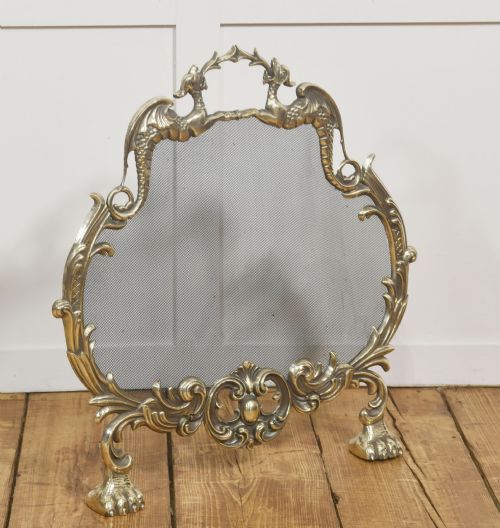
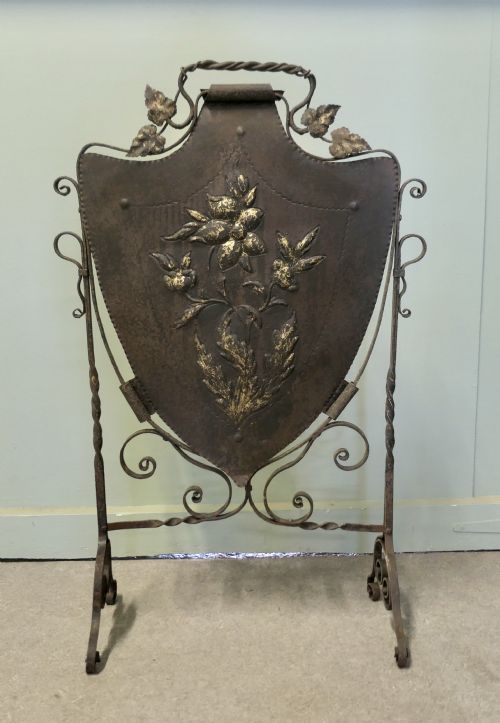
Makers utilised brass, iron, steel wire and iron mesh to build the protective frames and spark screens, frequently pairing cast brass with iron. Structural elements also incorporated timber frames in mahogany, oak and rosewood.
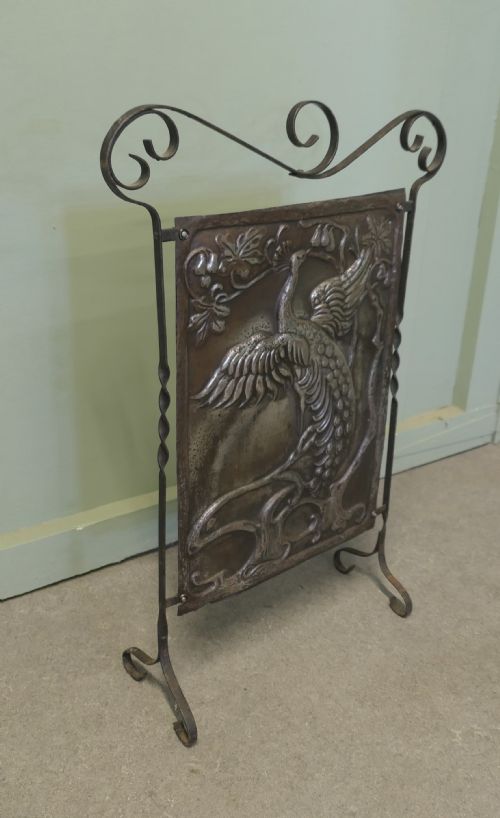
Panels deployed wool, canvas and tapestry work, including Berlin work. Metalwork techniques involved casting, piercing, beating copper and forming wire mesh within brass rims.
Retail Price Guide 2026
Typical UK retail prices for victorian fire guard, calculated from the Sellingantiques database of over a million retail prices indexed since 2003. This retail price guide relies exclusively on Sellingantiques data; no external sources or auction records are used, so the figures do not describe the wider market.
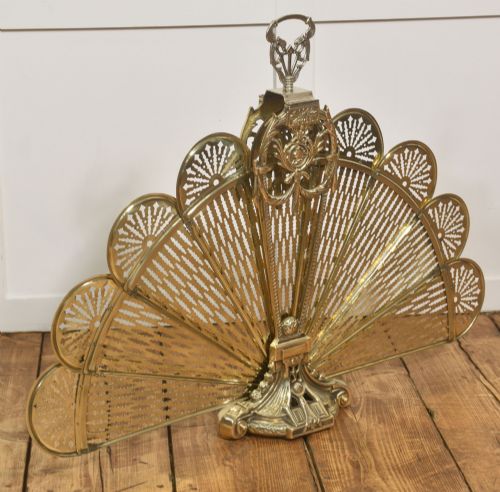
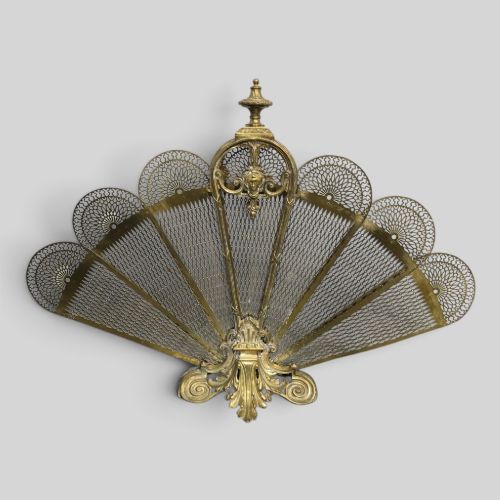
Peacock folding screens let Victorian rooms fan out a massive tail of gleaming brass segments when the hearth went quiet.
Judging Quality
Quality rests on the weight of the metal gauge, the robustness of the iron mesh and the precision of the cast brass framing. Heavy gauge brass and substantial double rails indicate superior structural integrity.
The fineness of the carved timber on firescreens and the detail within the Berlin work, tapestry or figural wool panels separate standard utility pieces from finer decorative examples.
The Victorian Fire Guard Glossary
- Berlin work
- A style of counted-thread embroidery popular in the nineteenth century, frequently utilised for firescreen panels using wool on canvas.
- Serpentine
- A shape characterised by a gently undulating curved line, often seen in the profile of brass wire mesh fire guards.
- Spark screen
- A fine wire mesh barrier designed to catch flying embers from an open coal or wood fire.
- Fender
- A low metal frame placed around the hearth base, sometimes combined directly with nursery fire guards.
- Nursery guard
- A tall, enclosed protective barrier built to keep children and pets at a safe distance from the fire.
Frequently Asked Questions
How do I choose the right size fire guard?
Measure the width and depth of your hearth opening to ensure the base fits securely around the fireplace surround. Consider the height needed if you require a tall nursery guard for child safety or a lower screen for a formal room.
Take into account whether you need a folding design or a rigid curved spark screen to suit your daily use and mantel clearance.
How should I clean antique brass and iron?
Dust metal components regularly with a soft, dry cloth to prevent grime accumulation. Avoid harsh commercial dips that strip away the aged character and mellow patina.
Iron mesh and wire can be gently brushed, while brass frames respond well to mild cleaning solutions if polishing is desired.
Can I use an antique fire guard with an active fire?
Wire mesh spark screens and robust iron or brass guards are constructed to contain embers and protect the room during active fires. Ensure the frame is stable and placed correctly around the hearth before lighting.
Tapestry firescreens with wooden frames are generally better suited for unlit hearths or low-heat situations to protect the textiles.