
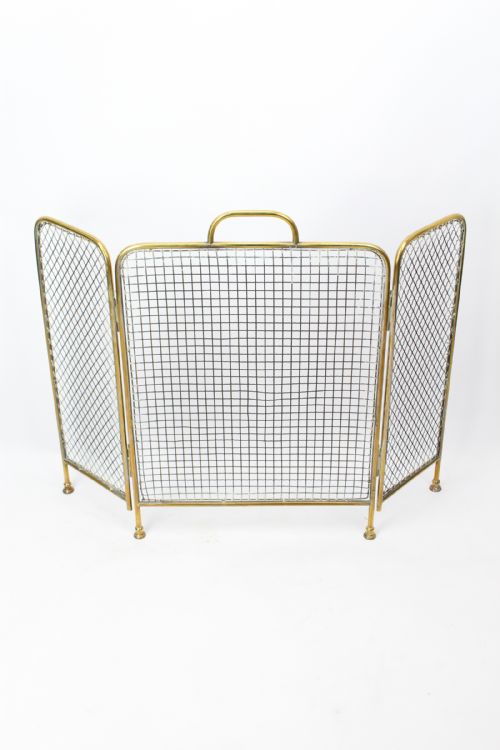


Mesh Fire Screen
A mesh fire screen keeps stray embers in the hearth while showing off period metalwork from the Victorian era onward.
Mesh Fire Screen
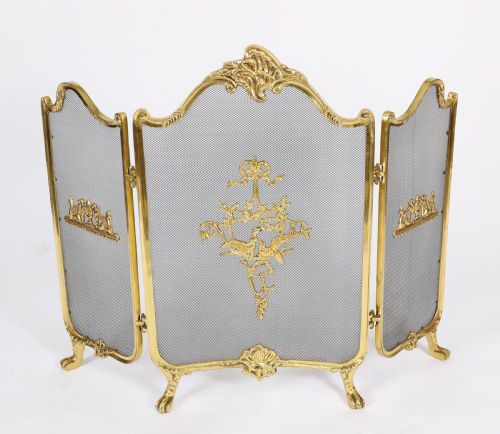
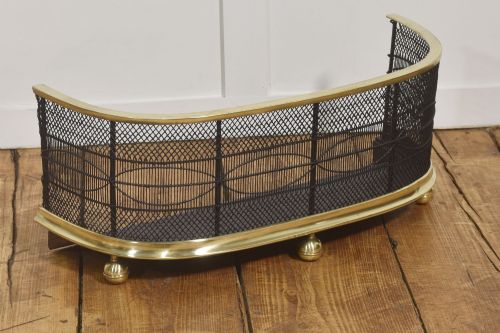
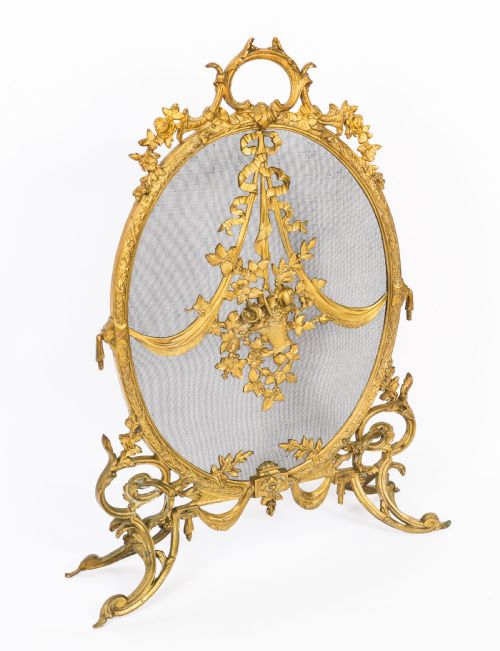
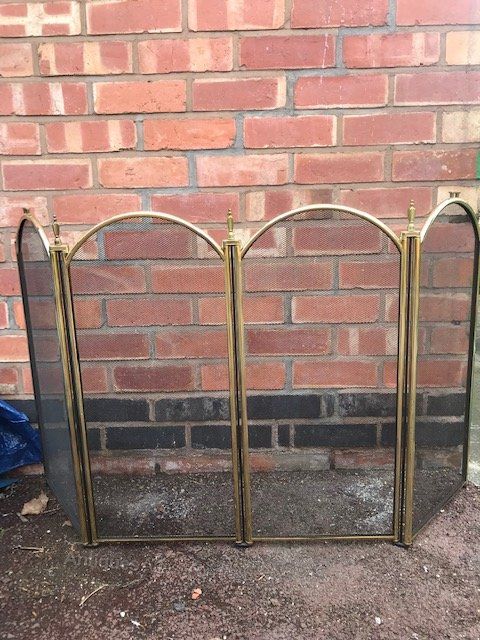
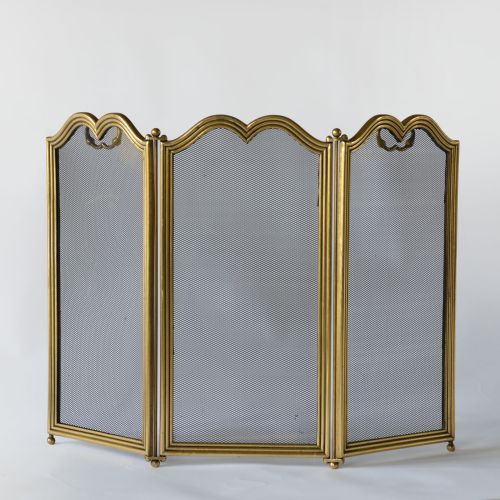
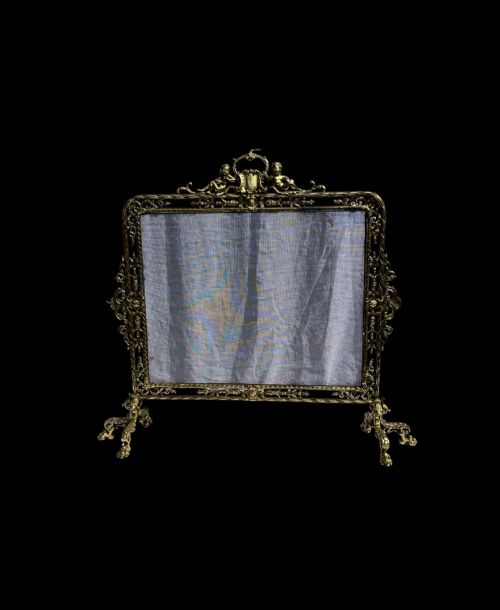
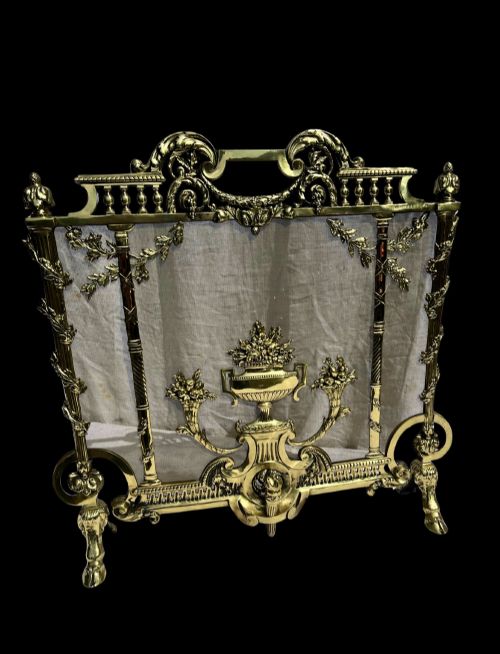
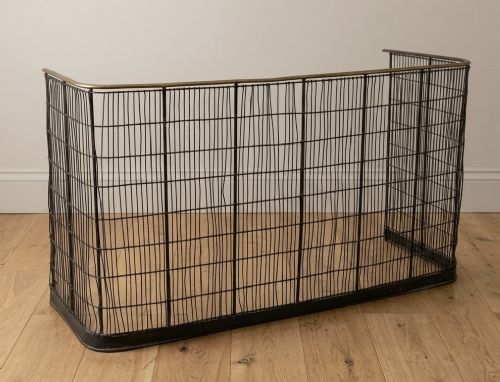
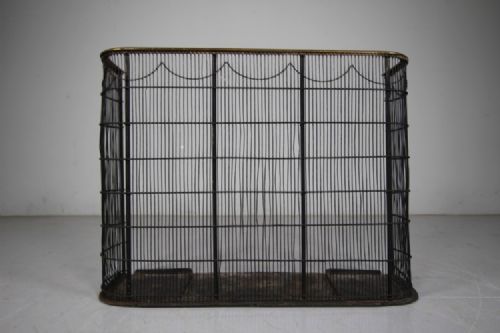
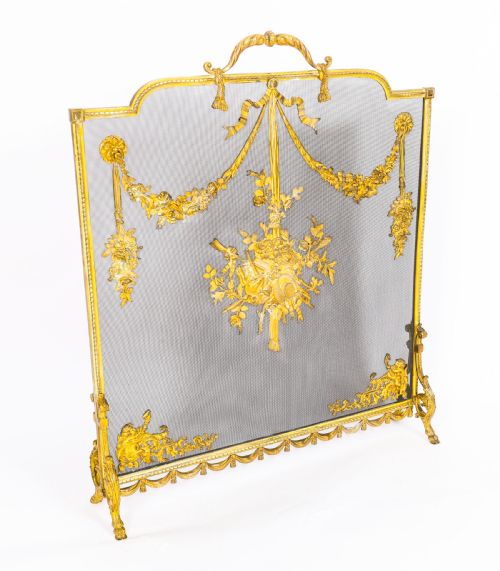
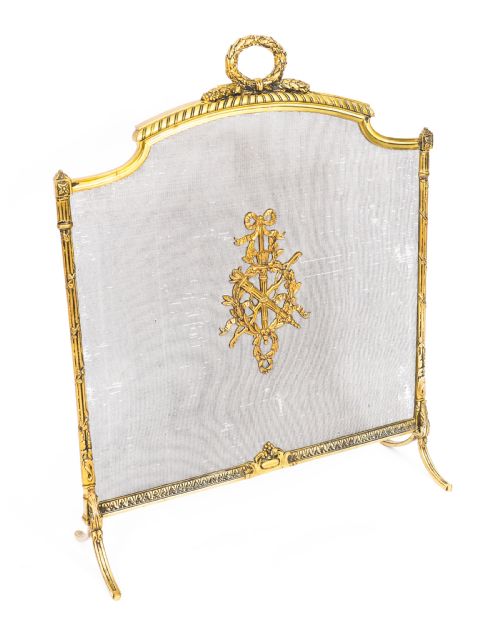
Many examples function as tripartite folding screens or curved guards that wrap around the fireplace opening. The simpler versions rely on plain wire mesh frames, while grander French iterations incorporate gilt bronze, flaming torch motifs, and elaborate floral trophies.
Materials and Technique
Makers built these pieces using structural brass frames, iron rods, and fine wire mesh to catch sparks while maintaining visibility of the fire. Wrought iron and steel appeared alongside copper and polished brass, depending on whether the guard was meant for a grand reception room or a busy nursery.
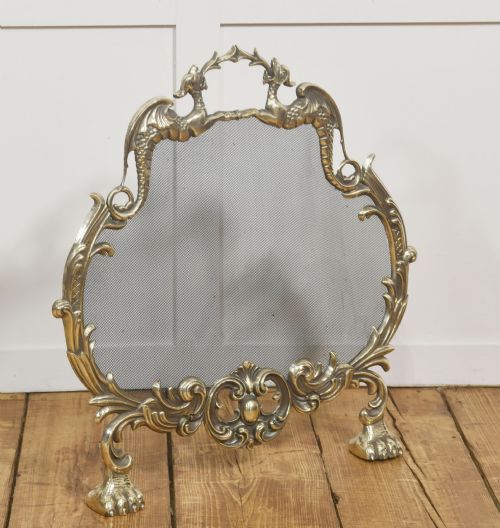
Decorative panels often combined cast brass ornaments, gilt bronze mounts, and embossed sheet brass. Folding sections utilised hinged joints to allow the mesh guards to curve around hearths of varying shapes.
Listings feature brass, iron, and wire mesh across Victorian, Edwardian, and Regency periods.
Craftsmanship and Weight
Quality shows in the rigidity of the frame and the gauge of the wire mesh used across the panels. Substantial brass work and tightly woven mesh separate sturdier guards from lighter, purely decorative items.
The precision of the hinges on folding sections and the crispness of cast details, such as Rococo scrolls or dolphin motifs, distinguish finer workshop production from standard utility items.
The Mesh Fire Screen Glossary
- Spark guard
- A protective barrier placed before a fireplace to stop flying embers from reaching the room. These usually feature fine metal mesh supported by a rigid frame.
- Nursery fender
- An enclosed barrier designed to keep children at a safe distance from the hearth. They often incorporate a raised brass top rail and substantial wire mesh walls.
- Tripartite
- A screen or guard constructed from three hinged sections. This design allows the piece to fold flat or angle around the fireplace opening.
- Gilt bronze
- An alloy treated with a gold finish to provide a decorative surface. It appears on French revival fire screens from the 19th century.
- Demilune
- A half-moon shape used to describe freestanding hearth guards that curve outward into the room.
Mesh Fire Screen: Frequently Asked Questions
How do I choose the right size?
Measure the width and height of your fireplace opening to ensure the guard covers the entire hearth span safely. Folding and multi-section pieces offer flexibility if you need to adjust the coverage.
Consider whether you require a low spark guard or a taller nursery fender that extends further out into the room.
Were these used in every room?
These screens were primarily placed in formal reception rooms and nurseries where open coal or wood fires presented risks to carpets and children. Country houses utilised larger versions in main drawing rooms alongside companion sets.
Smaller folding guards suited smaller hearths in bedrooms and upper chambers.
How do I clean the brass?
Dust the wire mesh gently with a soft brush to remove soot and ash accumulation. Avoid abrasive cleaners that might strip historical patinas from the brass frames.
Polishing should be done sparingly, respecting the age and finish of the metalwork.
How do I date a piece?
Examine the construction methods, such as the type of hinges and the weave of the wire mesh. Victorian and Edwardian examples often feature heavy brass rims and distinct revival styles like Rococo or Empire.
Stamped numbers or registry marks can occasionally provide clues to the period of manufacture.