


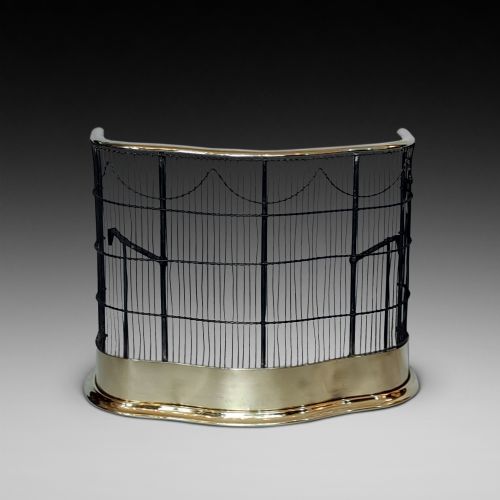


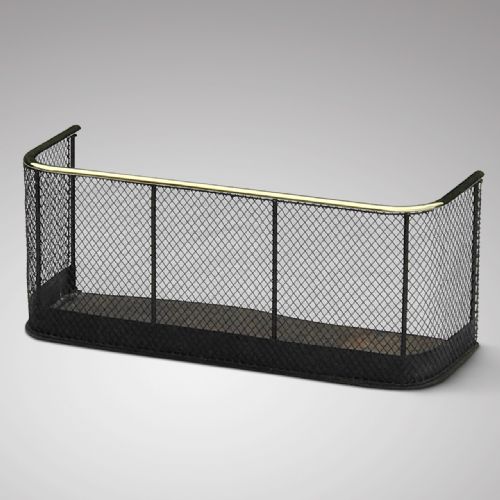
Brass Wire Fire Screen
These brass wire fire screen pieces protect a room from stray sparks while keeping the hearth in full view.
Brass Wire Fire Screen
A brass wire fire screen serves as a protective barrier before an open hearth, combining metal framing with fine mesh panels. The evidence shows these items appearing across the Victorian, Regency, and Edwardian periods, alongside pieces dated to the nineteenth century, nineteen hundred, nineteen ten, and nineteen twenty.
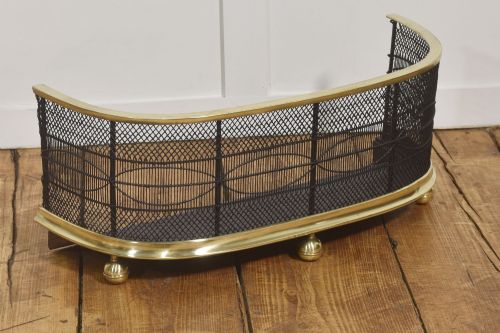
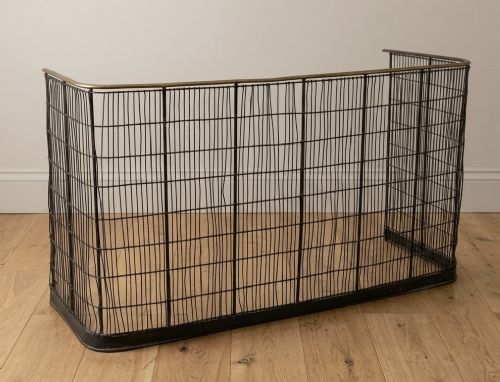
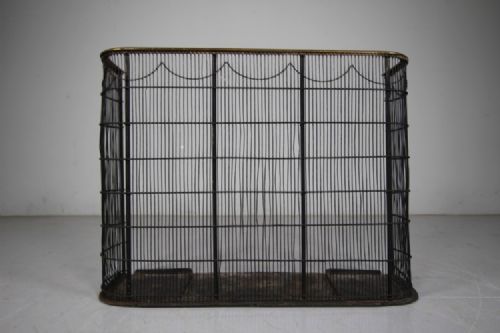
Buyers will encounter forms ranging from freestanding screens to folding sections and nursery fenders equipped with clothes rails or bowed frames. Materials combine brass with iron, steel wire, and woven iron wire mesh to create robust spark guards for domestic fireplaces.
Construction and materials
Maker workshops constructed these fire guards using rigid frames of brass, wrought iron, or steel to support delicate wire mesh panels. Frames often feature brass top rails or embossed brass rims, providing a polished border around the utilitarian mesh.
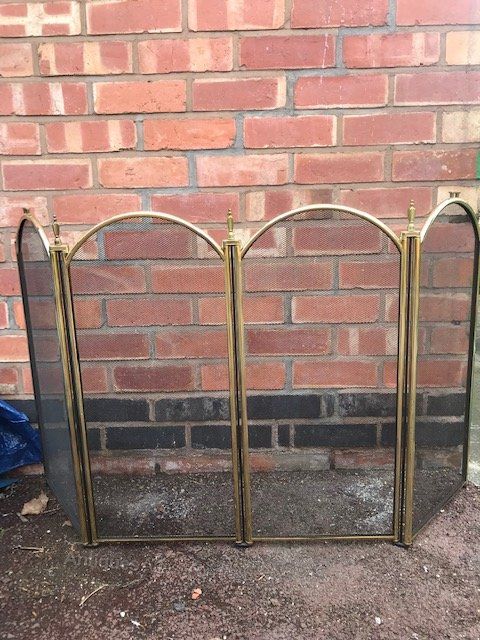
Techniques relied on securing woven iron wire or wire mesh firmly into metal channels, sometimes incorporating four folding sections or serpentine shapes for stability around the hearth.
Some nineteenth century nursery fenders thoughtfully included a built-in clothes rail for warming small garments.
Judging quality and execution
Quality rests in the substance of the framing and the evenness of the wire mesh. Substantial brass top rails and heavy gauge wire indicate higher grade manufacture compared to lighter, more pliable alternatives.
Details such as embossed brass work and integrated clothes rails on nursery fenders distinguish more ambitious examples from standard utilitarian spark guards.
The Brass Wire Fire Screen Glossary
- Nursery fender
- A low protective barrier designed to encircle a hearth and keep children away from the fire. These often include a top rail.
- Spark guard
- A fine mesh screen intended to catch flying embers from an open fire. They utilise wire mesh to maintain visibility of the flames.
- Serpentine
- A gently undulating curved shape seen on the frames of certain guards. This contour adds stability and elegance to the piece.
- Wirework
- The artistic or structural manipulation of metal wire into mesh or decorative patterns. It forms the primary protective surface of these screens.
Brass Wire Fire Screen: Frequently Asked Questions
How do I date a brass wire fire screen?
Dating relies on stylistic markers such as Regency framing, Victorian proportions, or Edwardian brass finishes. Examining the construction of the wire mesh and iron framework also offers clues to the period.
Evidence from listings points to production spanning the early nineteenth century through to nineteen twenty. Comparing the specific rail design and brass embellishments helps narrow down the era.
What is the difference between a fire screen and a nursery fender?
A fire screen typically stands upright to block radiant heat and sparks directly in front of the fireplace opening. A nursery fender encloses a larger area around the hearth to prevent children from getting too close.
Listings show examples featuring clothes rails and bowed frames specifically designated as nursery fenders. Both types utilise brass and wire mesh construction.
Are these screens suitable for daily use with an open fire?
These pieces were originally built to contain sparks and protect rooms from active hearths. The combination of brass frames and iron wire mesh provides practical durability.
Buyers should assess the sturdiness of the wire mesh and frame before regular placement near an active fire. Many examples retain the structural integrity required for contemporary hearths.
What maintenance do brass and wire mesh require?
Brass components benefit from gentle cleaning to maintain their metal finish without removing historical patina. Wire mesh should be kept free of dust using a soft brush.
Avoid harsh chemical dips that strip the character from nineteenth century brass work. Regular light dusting preserves both the wire and the frame.