




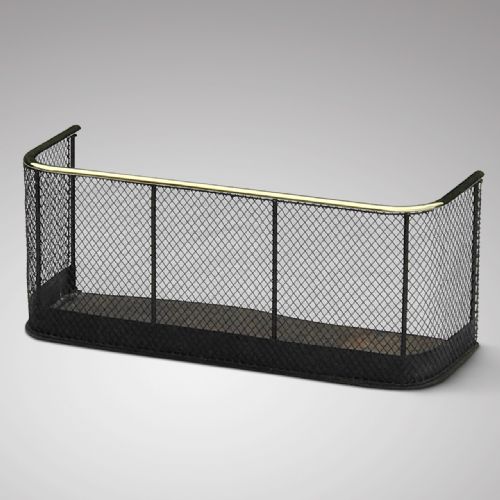
Brass Wire Fireguard
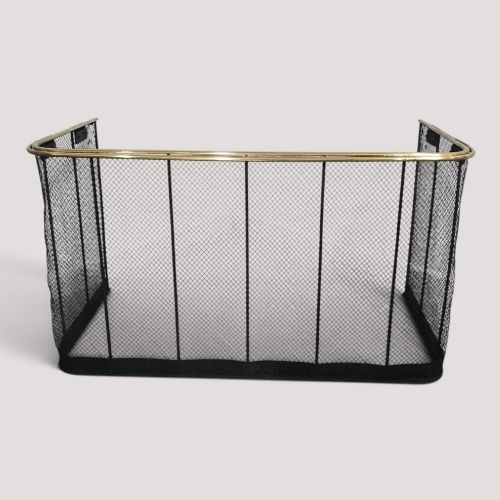
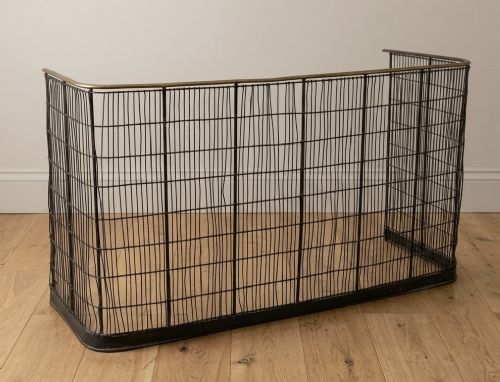
These brass wire fireguard examples are practical barriers that keep sparks from the hearth while lending period character to a room.
Brass Wire Fireguard
A brass wire fireguard protects a room from stray embers while allowing the warmth of the fire to circulate freely. When searching for a brass wire fireguard, buyers typically encounter sturdy nineteenth-century and Victorian nursery guards designed to keep children safely away from the hearth.
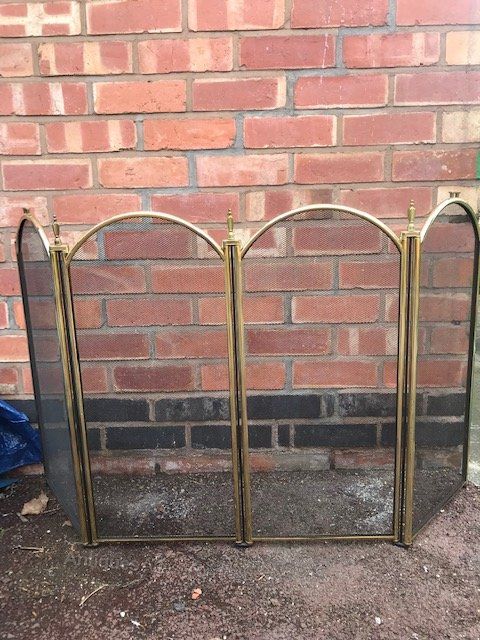
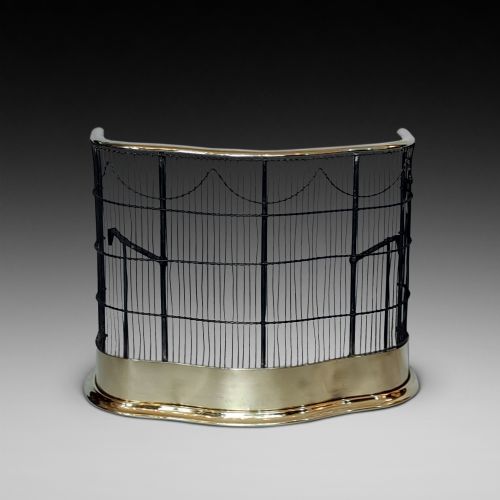
These pieces appear in various configurations, including bowed shapes, serpentine forms, and four folding sections. Many feature robust brass top rails or frames combined with fine wire mesh to balance visibility with safety.
Origins span the nineteenth century and the Edwardian period, often reflecting country house aesthetics. Alongside standard guards, related items such as nursery fenders with clothes rails or embossed brass fire screens occasionally emerge.
How They Were Made
Craftsmen built these guards using structural frames of brass, iron, or wrought iron to ensure stability around the fireplace. Steel wire and wire mesh were then secured within these metal skeletons to form the protective barrier.
Decorative elements often included embossed brass panels or polished brass rims that contrasted with black finish frames. Folding sections utilised hinged joints, while nursery fenders incorporated integrated top rails or auxiliary clothes rails for practical utility.
Listings span the nineteenth century, the Victorian era, and the Edwardian period, incorporating materials such as brass, iron, and steel wire mesh.
What Varies in Quality
Quality rests in the heaviness of the gauge used for the wire mesh and the rigidity of the supporting brass frame. Finer examples display cleanly joined corners, substantial brass rims, and well-balanced bowed or serpentine curves that stand firmly.
The refinement of decorative brass work, such as embossed detailing on the top rail or screen, separates utilitarian workshop pieces from finer domestic furnishings. Superior construction ensures the mesh remains taut and the folding sections operate smoothly without sagging.
The Brass Wire Fireguard Glossary
- Nursery fender
- A low protective barrier placed around a fireplace to keep young children at a safe distance from the flames. These often include a raised top rail and fine wire mesh.
- Serpentine
- A gentle curving shape featuring a convex centre flanked by concave sweeps. This profile adds elegance to the front edge of a guard.
- Wire mesh
- A network of woven metal strands that provides a transparent barrier against sparks. It allows heat to pass through while containing burning embers.
- Embossed brass
- Sheet metal decorated with raised patterns pressed from the reverse side. This technique added ornamentation to fire screens and fender rails.
- Clothes rail
- An auxiliary metal bar attached to a nursery fender used for airing garments near the heat of the fire. This addition highlights the dual domestic purpose of many nineteenth-century pieces.
Brass Wire Fireguard: Frequently Asked Questions
What is a brass wire fireguard used for?
These guards serve primarily to contain sparks and glowing embers thrown from an open fire. They protect floor coverings and furnishings while offering a safe barrier in family rooms.
Historically, larger nursery variants were placed around hearths to prevent children and pets from getting too close to the flames. They combined safety with the ability to let maximum heat radiate into the room.
How do I date a brass fireguard?
Dating relies on examining the materials, construction methods, and stylistic cues present in the frame and mesh. Nineteenth-century examples often feature heavy brass tops combined with hand-woven wire and iron frames.
Later Victorian and Edwardian pieces may display more refined serpentine shapes or embossed brass sheet work. Comparing the joinery and the gauge of the wire helps distinguish earlier nineteenth-century items from c1900 productions.
Are all fireguards folding?
Not all pieces feature folding sections, as many nineteenth-century designs utilise rigid frames. Bowed, serpentine, and straight nursery fenders are built as single solid units designed to stand permanently before the hearth.
Folding versions with multiple hinged panels do exist, allowing the guard to adjust around different fireplace widths or fold flat for storage. The choice depends on the layout of the hearth and the desired level of enclosure.
How do I fit one in my living room?
Measure the width and depth of your hearth area carefully to ensure the guard sits securely around the fireplace opening. Bowed and serpentine models require adequate floor space to project outward into the room.
Consider whether you prefer a simple wire mesh barrier or a version with an embossed brass top rail that complements existing fireplace accessories. Ensure the height of the guard provides sufficient clearance and protection for your specific grate.