

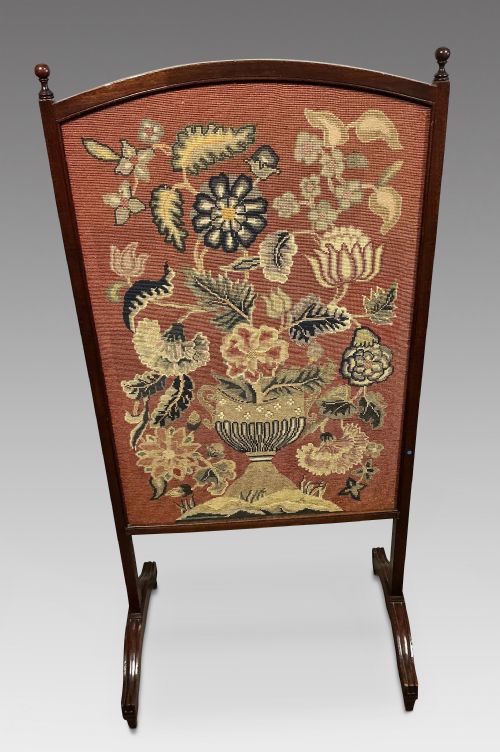


Georgian Fire Guard
A georgian fire guard brings period utility and polished metalwork to a functioning hearth, protecting rooms with authentic early design.
Georgian Fire Guard
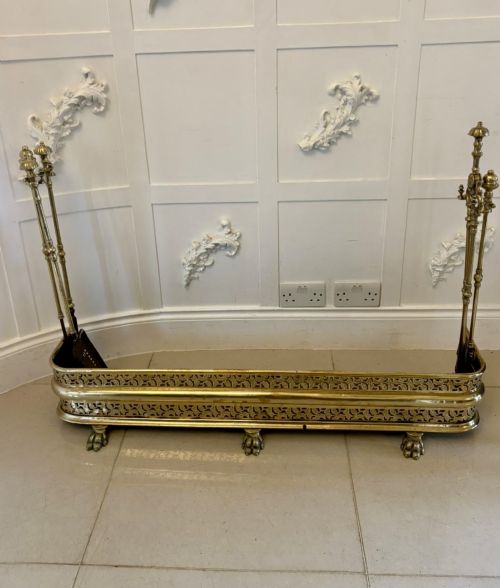
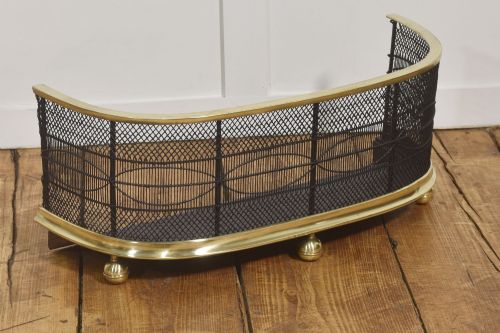
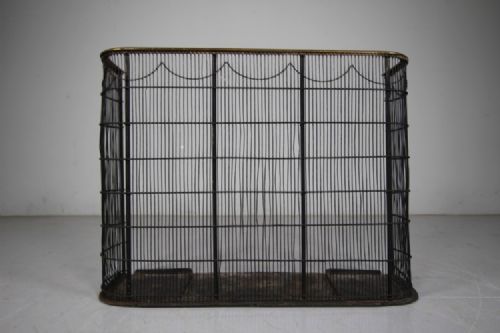
A georgian fire guard encompasses various hearth protectors designed to shield rooms from open flames and sparks, including nursery guards, brass wirework screens, and low metal fenders. The selection spans sturdy iron and brass combinations alongside architectural steel designs intended for period fireplaces.
Most examples encountered here derive from the broader Georgian and Regency eras, though Victorian revivals and later nineteenth-century interpretations frequently appear. These pieces range from simple protective barriers to elaborate club fenders incorporating upholstered seating rails.
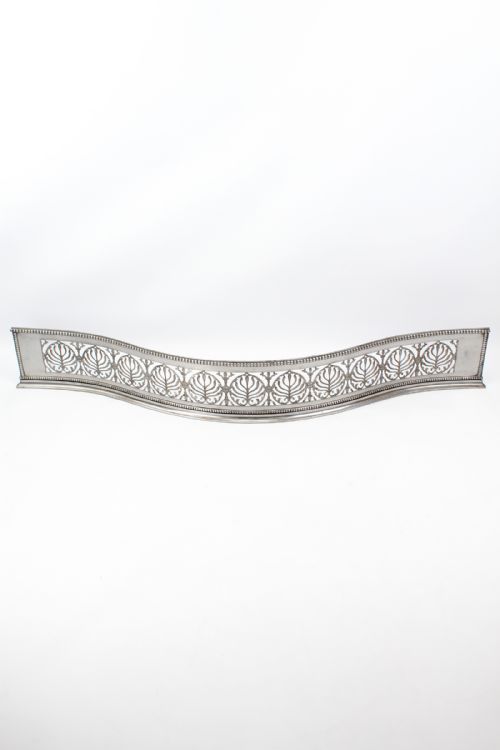
Buyers frequently encounter guards featuring pierced steel panels or woven wire mesh supported by substantial brass frames. Such pieces establish an authentic period focal point while serving their original domestic purpose.
Distinctions in quality
Quality reveals itself in the weight of the metal and the crispness of any pierced or engraved decoration. Superior steel and brass guards demonstrate precise hand-piercing and solid structural integrity across the frame.
The sophistication of the design dictates much of the distinction, with serpentine fronts and combined brass-and-iron club configurations representing more ambitious manufacturing. Simpler wirework screens rely on the intact preservation of their delicate mesh and framing.
Originality of components, such as matching fire irons or uncompromised needlework panels in wooden screens, separates standard workshop output from exceptional survivals.
Listings demonstrate a strong presence of nineteenth-century and Georgian items, utilising brass, steel, iron, mahogany, and rosewood.
The Georgian Fire Guard Glossary
- Fender
- A low metal barrier placed on the hearth around the base of a fireplace to contain rolling logs and embers. These items appear in polished brass, iron, and steel.
- Nursery guard
- A tall protective enclosure or screen designed to prevent children and pets from approaching an open fire. They often utilise fine wirework and robust metal frames.
- Pole screen
- A freestanding wooden screen featuring an adjustable panel mounted on a vertical pole, used to shield the face from radiant hearth heat. These typically include needlework or embroidered inserts.
- Serpentine
- A gently undulating curved shape often seen along the front edge of eighteenth-century steel and brass fenders. This profile required skilled smithing.
- Club fender
- A low, padded-top fender featuring integrated seating, allowing people to sit close to the hearth. They combine iron or brass structures with upholstered leather or textile surfaces.
Georgian Fire Guard: Frequently Asked Questions
What is a georgian fire guard used for?
These pieces served to protect rooms from flying embers while shielding inhabitants from intense radiant heat. They functioned as both physical barriers for safety and decorative metalwork for the hearth.
Tall nursery versions kept children away from open flames, whilst low fenders contained rolling logs. Together they formed an essential element of period domestic fire management.
How do I identify a georgian piece?
Authentication relies on examining the construction methods, metal finishes, and stylistic motifs present in the frame. Hand-pierced steel work and heavy brass castings typify genuine period output.
Comparison with later nineteenth-century revivals helps clarify the date, as earlier items display specific smithing techniques and proportions characteristic of eighteenth-century design.
Are these guards suitable for modern fireplaces?
Many surviving guards adapt well to contemporary hearths, provided the dimensions match the fireplace opening. They introduce authentic metallic texture and historical character to a room.
Careful measurement of the hearth depth and width ensures the chosen fender or screen sits securely in place.
What maintenance do these metal pieces need?
Routine upkeep involves gentle dusting and occasional cleaning appropriate for brass or steel surfaces. Avoiding harsh abrasives preserves the natural patina built up over centuries.
Wooden frames and textile panels require dry conditions and protection from direct excessive heat to maintain their condition.