
Antique Fireguard
An antique fireguard protects the room from stray embers while adding a decorative centrepiece to the hearth.
Antique Fireguard
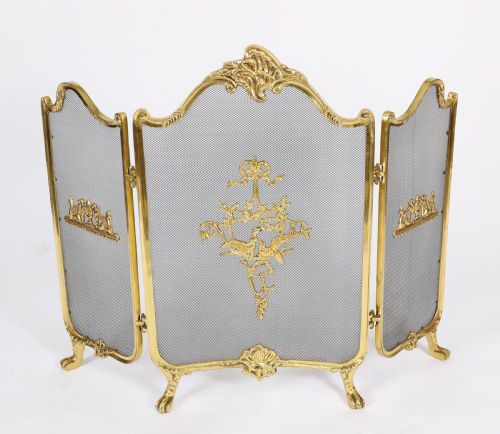
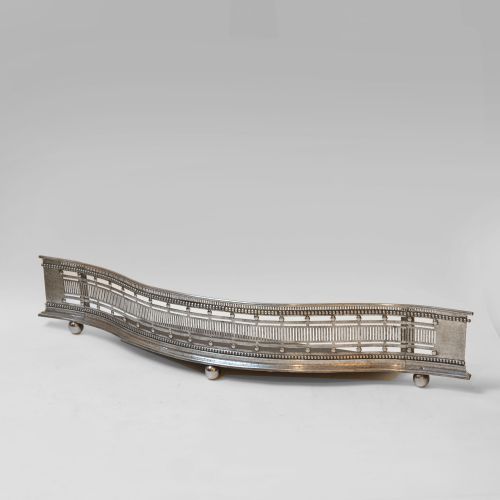
An antique fireguard takes several distinct forms, including folding spark guards, solid brass screens, and extendable hearth fenders designed to contain open fires. The selection spans the Victorian and Edwardian eras alongside earlier Georgian and Regency examples.
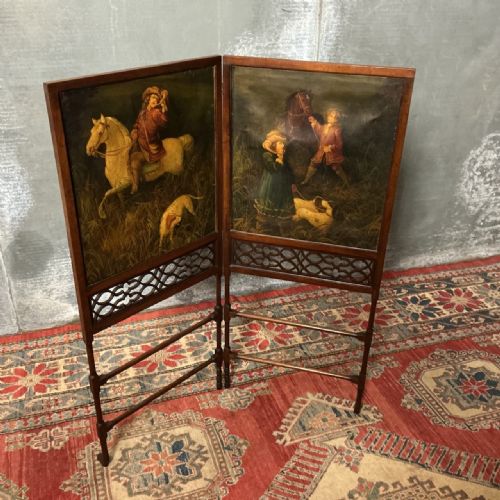
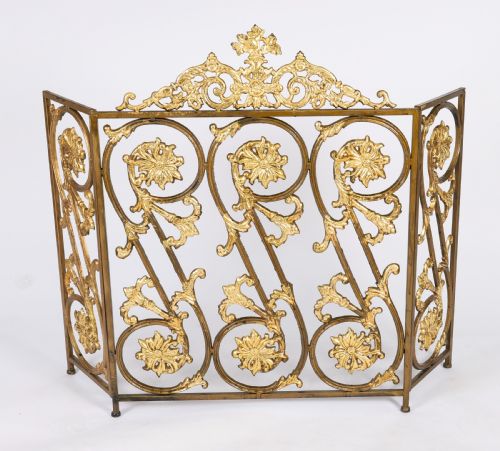
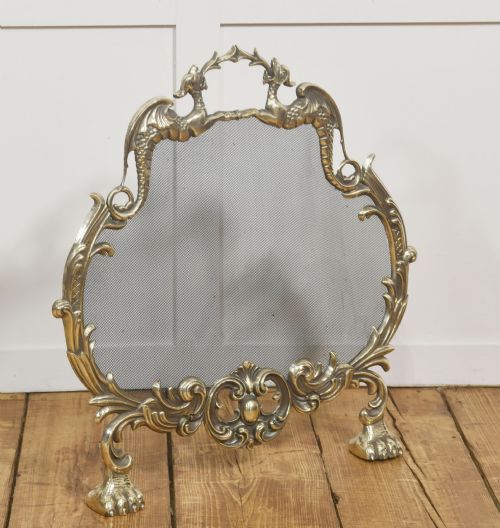
Buyers frequently encounter brass and wire mesh screens alongside wrought iron fenders and elaborate French Rococo revival pieces. These objects served practical domestic safety roles in period rooms, often incorporating decorative panels of needlework, glass, or painted canvas.
Materials and construction
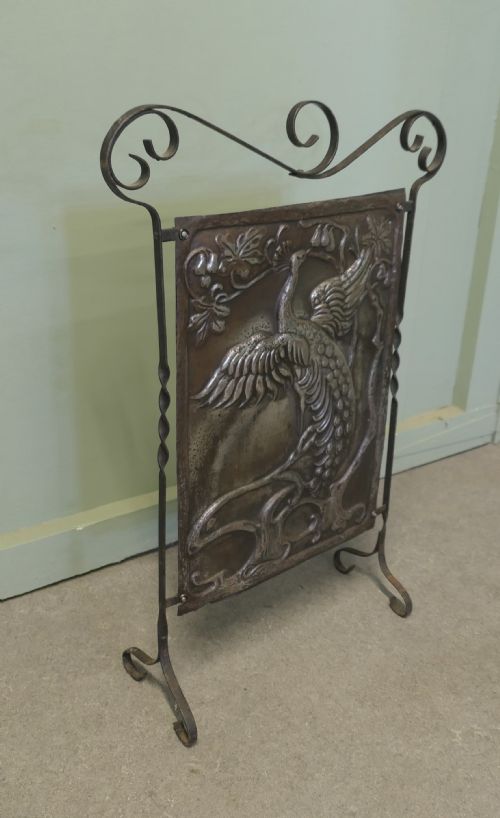
Metalworking techniques dominate the construction of these hearth furnishings, utilising cast brass, beaten copper, wrought iron, and gilt bronze. Pierced metalwork, chased detailing, and wire mesh provide both structural integrity and decorative ventilation.
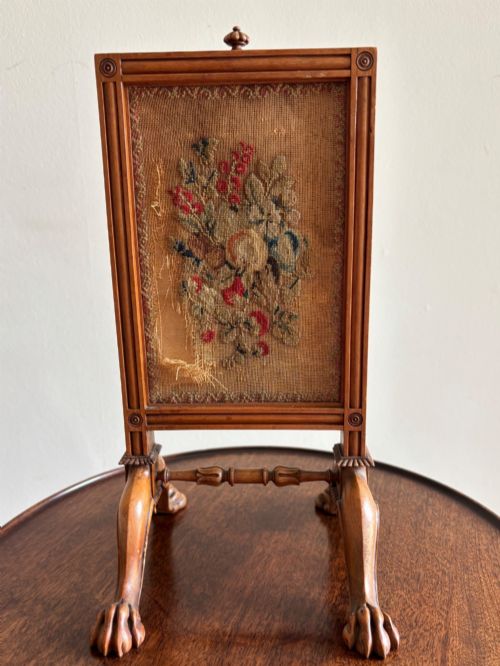
Wooden frames in mahogany, rosewood, and oak frequently support textile inserts, oil paintings, and embroidered panels. Metal components are joined via riveting and soldering, while folding variants rely on integrated hinges for multi-panel movement.
Listings feature brass, copper, wrought iron, and gilt bronze, combined with wood frames in mahogany, rosewood, and oak.
Markers of quality
Quality separates through the crispness of chased brass details and the weight of the metal utilised in the frame. Hand-pierced designs and heavy cast bronze display superior craftsmanship compared to stamped sheet metal.
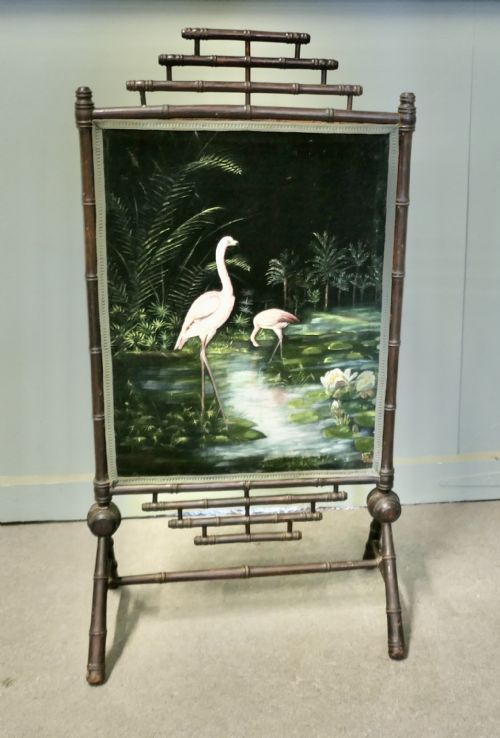
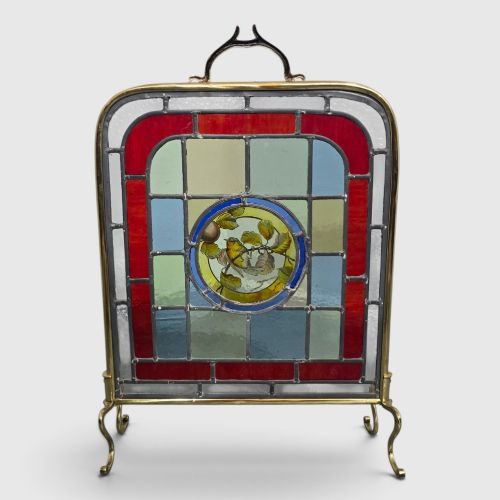
The sophistication of integrated artwork, such as detailed needlework, hand-painted flamingos, or stained glass panels, elevates a utility guard to a fine decorative object. Structural robustness in hinges and extending mechanisms further differentiates the tier of manufacture.
E F Caldwell
The Antique Fireguard Glossary
- Fender
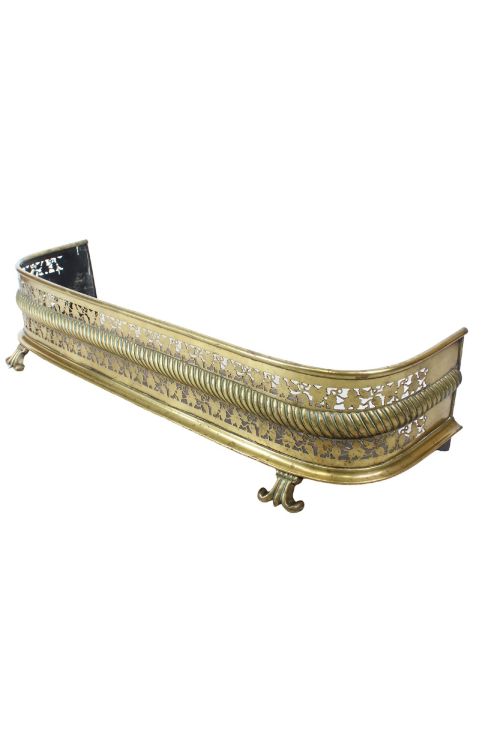
- A low metal guard placed on the hearth around the fireplace to contain sparks and rolling logs. These frequently feature pierced brass or extended designs.
- Pole screen
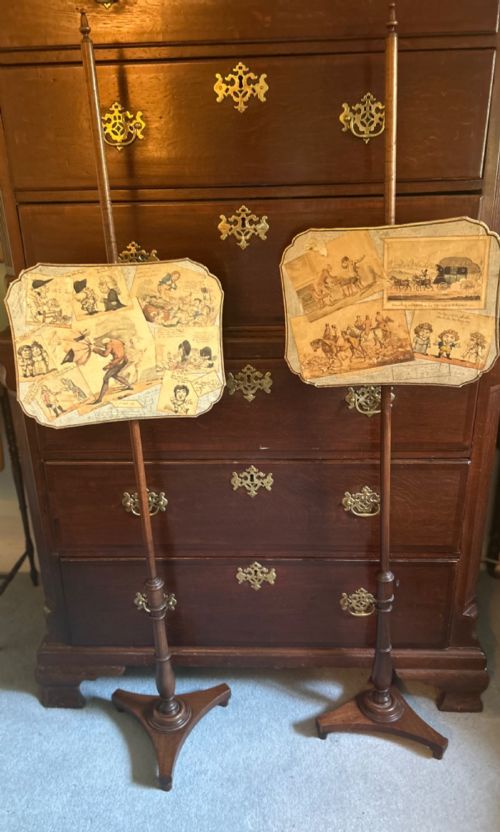
- A vertical screen mounted on a tall wooden pole that allows the panel to slide up and down to block radiant heat from the fire. These often display embroidery or satirical prints.
- Spark guard
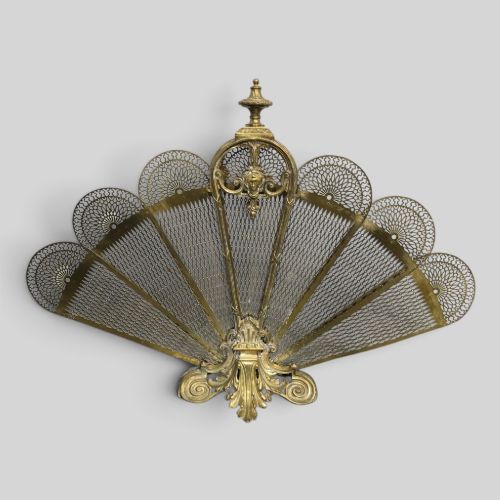
- A folding mesh or wire screen designed to prevent stray embers from escaping the fireplace opening. They appear in tripartite or multi-section configurations.
- Patera
- A circular ornamental bas-relief resembling a classical libation dish, often incorporated into Victorian copper and brass fenders. It provides a focal decorative motif.
- Chasing
- A metalworking technique where patterns are hammered onto the front surface rather than engraved by cutting away metal. This method gives depth to brass and bronze fire screens.
Antique Fireguard: Frequently Asked Questions
What is an antique fireguard used for?
These pieces historically served to shield room occupants from the intense radiant heat of open coal or wood fires. They also caught stray sparks and embers to protect hearth rugs and wooden flooring.
Beyond safety, ornamental screens concealed the unlit fireplace during warmer months, presenting a decorative textile or polished metal panel to the room.
How do I identify a Victorian fireguard?
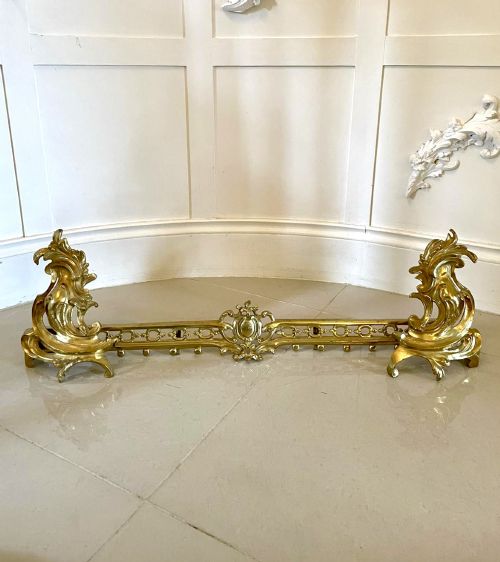
Victorian examples often feature heavy pierced brass, ornate scrollwork derived from Rococo revivals, or utilitarian nursery designs with integrated clothes rails. Look for construction methods like riveted wire mesh and heavier gauge brass.
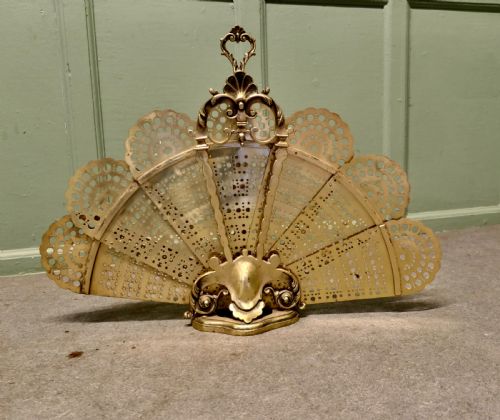
Stylistic cues include peacock tail folding screens and floral patera motifs stamped into copper fenders, distinguishing them from earlier Georgian steel designs.
Can I use an antique fireguard with a modern fire?
Many solid brass, iron, and mesh screens remain entirely functional for containing embers in active hearths. Folding spark guards adapt easily to various hearth widths.
However, delicate screens featuring painted canvas, paper prints, or antique textiles are better suited for decorative placement around unlit fireplaces to prevent heat damage.