
Victorian Hearth Guard
A victorian hearth guard protects the room from escaping embers while anchoring the fireplace with polished metal and woven wire.
Victorian Hearth Guard
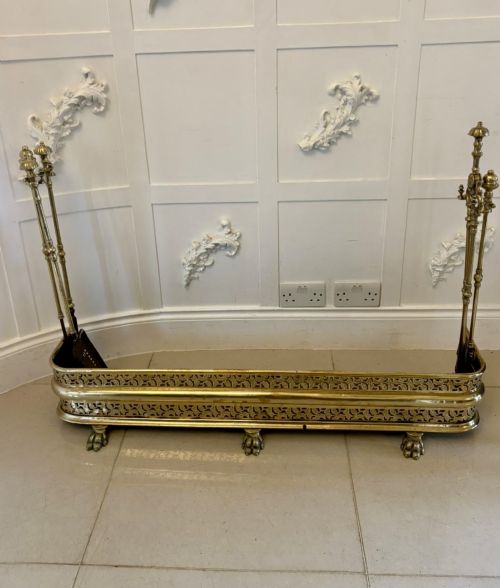
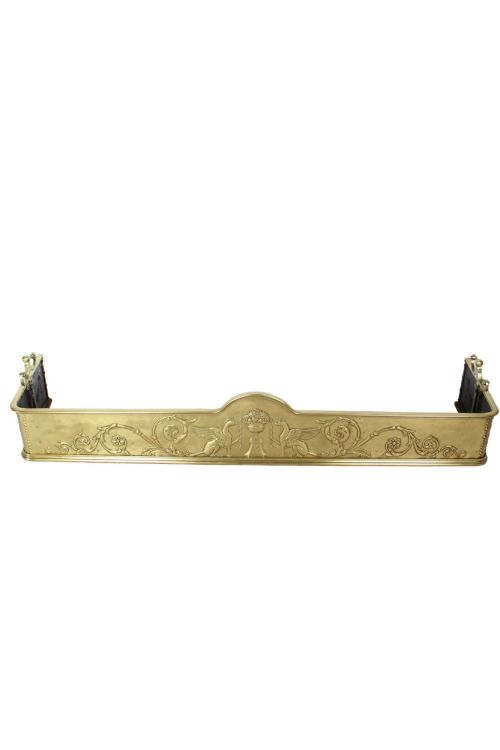
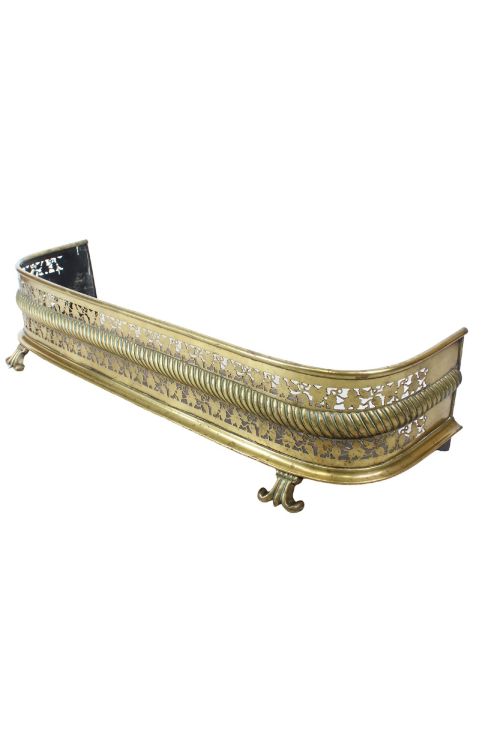
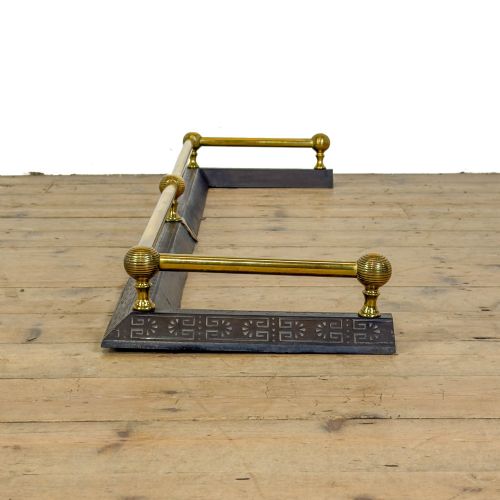
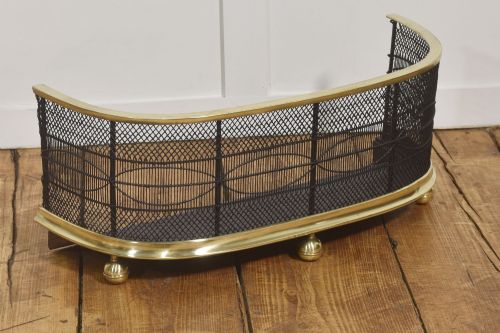
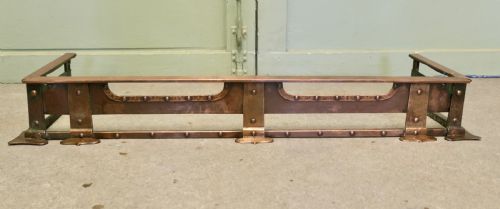
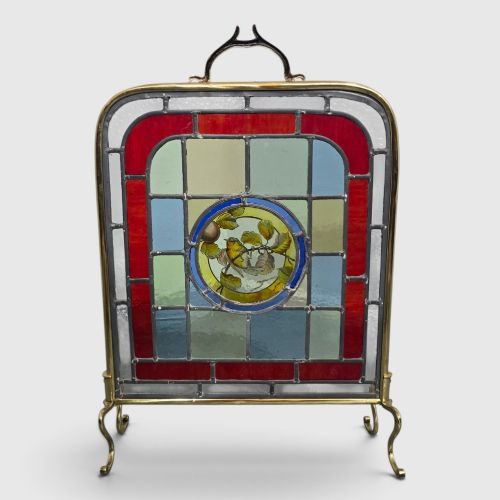
A victorian hearth guard encompasses brass and iron fire fenders, folding screens, and adjustable kerbs designed to contain sparks and frame the domestic fireplace. The listings show heavy representation from the nineteenth century alongside later variations reaching into the early twentieth century.
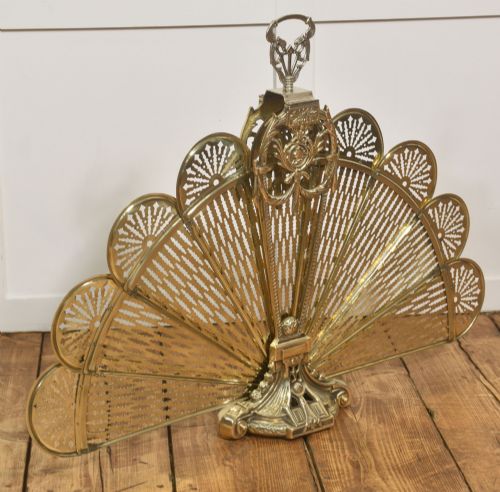
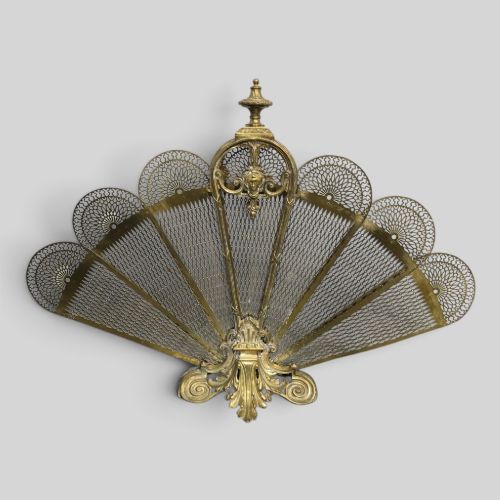
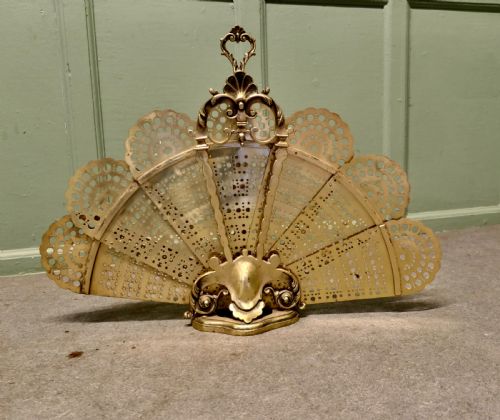
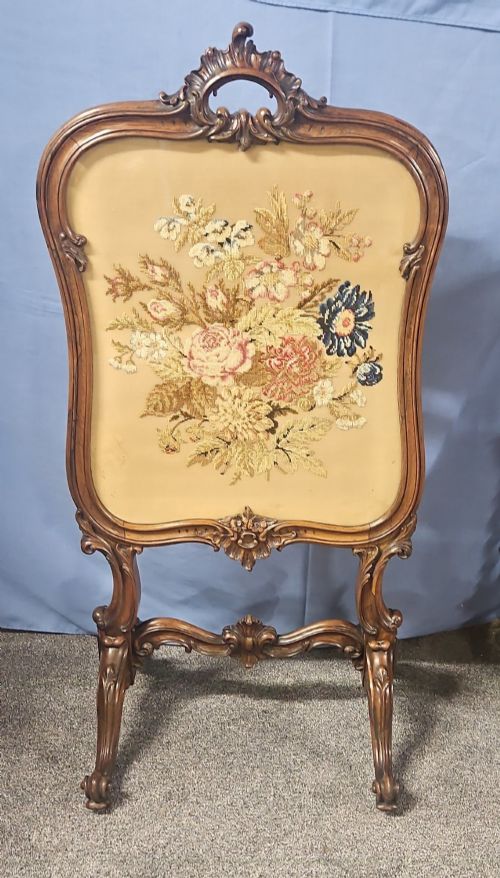
Buyers encounter sturdy brass fenders, folding peacock fan screens, and upright panels fitted with needlework, canvas, or wire mesh. These items served both a practical purpose in containing wood and coal fires and a decorative role within the nineteenth-century parlour.
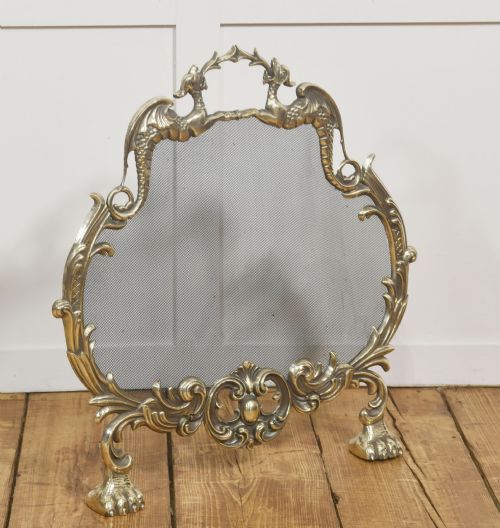
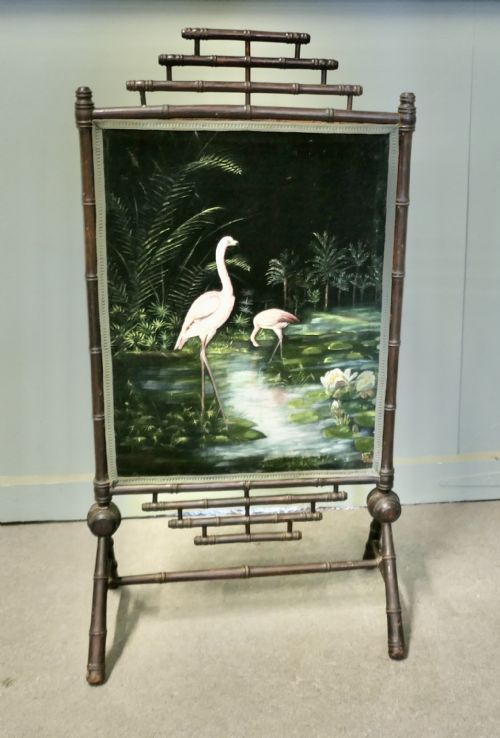
The selection ranges from simple pierced brass rails to elaborate French Rococo Revival frames, Arts and Crafts polished ironwork, and black lacquer oriental screens painted with flamingos. Many pieces incorporate adjustable mechanisms or club fender forms with upholstered seats.
How they were made
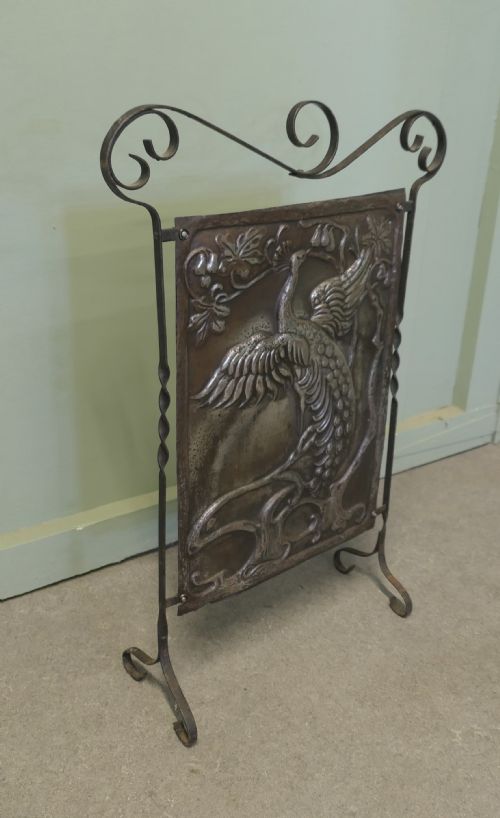
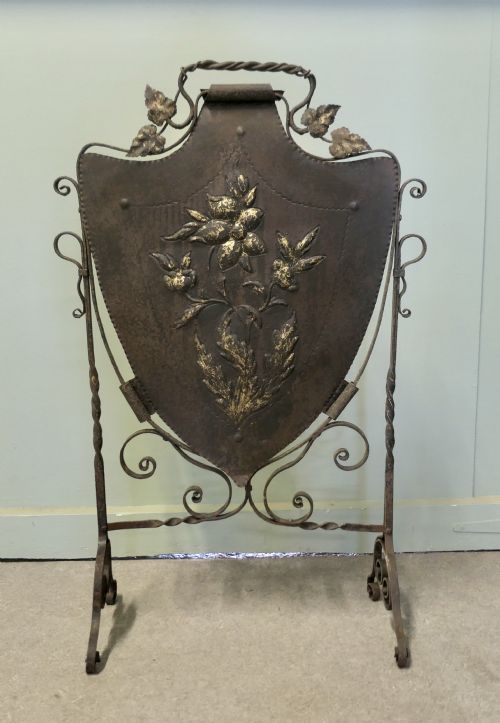
Metalworking dominates the construction of these items, utilising cast and pierced brass, forged iron, polished steel, and beaten copper. Makers joined components through riveting and soldering, often applying black finishes or leaving the metal to acquire a natural patina over time.
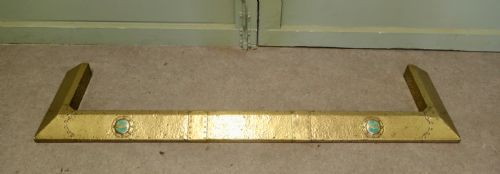
Upright screens frequently combine rigid metal frames with delicate wire mesh, or support textile inserts such as Berlin work panels, wool needlepoint, and embroidered silk. Wooden elements appear in rosewood, walnut, and oak supports, sometimes enhanced with lacquer or enamel cabochons.
Victorian Hearth Guard Retail Price Guide 2026
Typical asking prices for victorian hearth guard among the pieces listed under this phrase on Sellingantiques today, from the lower quarter to the upper quarter. They describe what is for sale here now, not the wider market.
The listings show materials spanning brass, iron, wire mesh, wool, copper, canvas, steel, and leather across the nineteenth and early twentieth centuries.
What varies in quality
The distinction between standard utility items and finer examples rests upon the crispness of the casting, the depth of hand-piercing in the brass, and the weight of the metal used. Heavy gauge copper, robust bronze, and substantial ironwork indicate superior initial manufacture compared to lighter, thinner sheet metal.
Artistic execution and decorative detail elevate specific pieces, such as finely chased coats of arms, hand-painted avian motifs, or integrated enamel cabochons. The retention of original components, from adjustable extension mechanisms to matching fire irons and undamaged needlework panels, marks the more desirable specimens.
The Victorian Hearth Guard Glossary
- Fender
- A low metal barrier placed around the hearth to keep burning coals from rolling onto the floor. These frequently feature pierced brass decoration or adjustable kerb sections.
- Club fender
- A low, padded hearth fender incorporating upholstered seats on either end. Victorian examples often utilise brass frames with leather seating.
- Peacock fan screen
- A fire screen constructed from folding metal blades that fan outwards into a semicircle. They are typically fashioned from brass or ormolu in French Revival or later styles.
- Needlepoint
- Canvaswork embroidery used to create decorative panels for upright fire screens. Victorian examples often employ wool threads in floral or armorial designs.
- Pierced brass
- Metal sheet perforated with decorative patterns using a saw or punch. This technique lightened the visual weight of heavy nineteenth-century fire fenders.
Victorian Hearth Guard: Frequently Asked Questions
What is a club fender used for?
A club fender provides a low metal barrier around the fireplace opening to contain sparks and ash from open coal or wood fires. The integrated leather seats additionally offered a warm place to sit close to the hearth during colder months.
These combination fender seats became popular in nineteenth-century reception rooms for social seating near the fire. Their adjustable frames allowed them to fit various hearth dimensions.
How do I clean a brass fender?
Brass hearth furniture accumulates soot, ash, and oxidation over decades of use near open fires. Gentle cleaning with appropriate metal polish removes surface grime while preserving the underlying patination.
Avoid abrasive materials that might scratch the softer brass or remove delicate chased details. Many collectors prefer to retain a darker, aged patina rather than achieving a bright modern shine.
What is the difference between a fender and a screen?
A fender sits flat on the floor directly around the hearth perimeter to contain rolling logs and sparks. It remains in a fixed position at the base of the fireplace.
A screen stands upright to block radiant heat and flying embers from reaching the room occupants. Screens often feature folding sections or textile panels mounted on feet.
How do I date a Victorian hearth guard?
Dating relies upon stylistic markers, construction methods, and materials recorded across the nineteenth century. Earlier pieces often display neoclassical pierced brass work or heavy cast bronze, while later examples incorporate Arts and Crafts ironwork or Art Nouveau steel.
Manufacturing techniques shift from hand-forged and chased elements to stamped components towards the end of the period. Patent dates or maker marks stamped into the metal occasionally provide exact chronological clues.