







Victorian Steel Fender
A victorian steel fender grounds a hearth with sturdy weight and polish, keeping sparks off the rug while anchoring the room.
Victorian Steel Fender
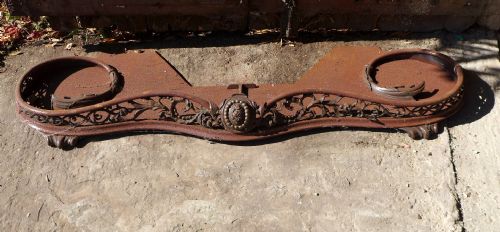
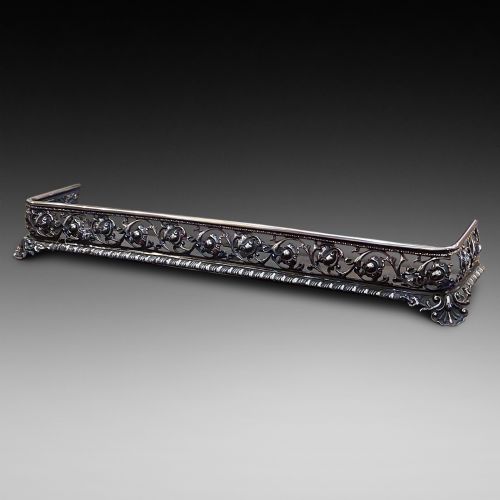
A victorian steel fender sits around the base of a fireplace, designed to contain embers and frame the hearth. The examples found here span the nineteenth century and the Edwardian era, taking forms from simple kerbs to elaborate club seats.
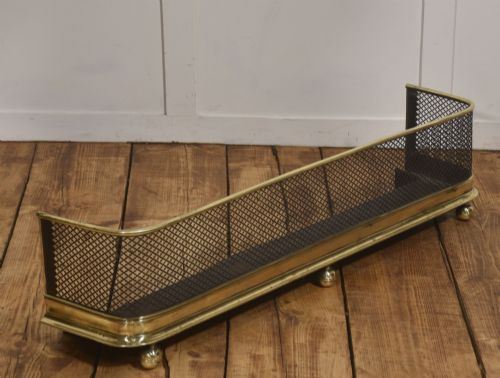
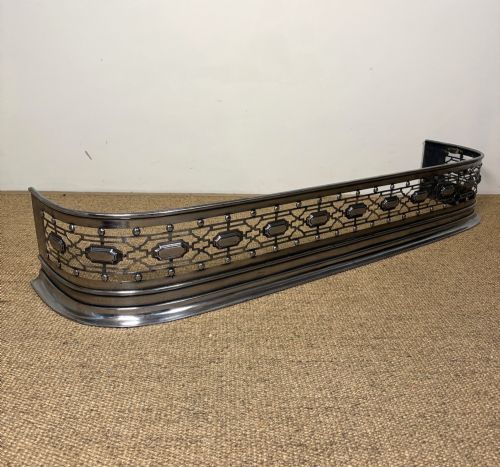
Most pieces meet the eye as gleaming polished steel or blackened iron, frequently paired with contrasting brass details. One regularly encounters low fireguards as well as upholstered club versions topped in leather.
How they were made
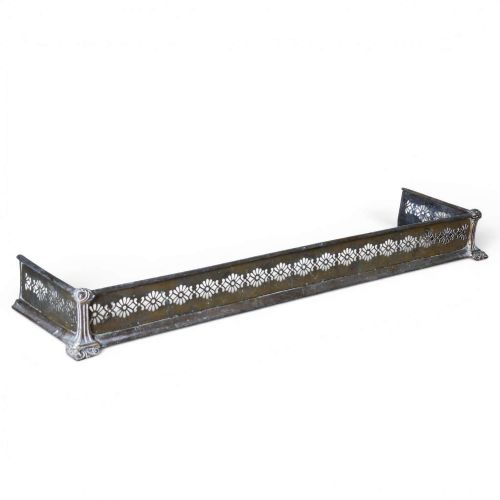
Makers shaped these hearth surrounds from heavy steel, iron, and cast steel, often mounting them on oak or mahogany foundations. Pierced metalwork, floral motifs, and dragon details required patient hand-tooling by skilled smiths.
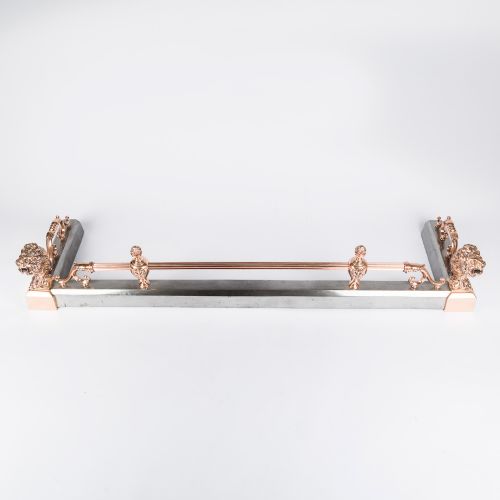
Brass studs, rails, and fire irons were integrated into the metal frames to create a striking two-tone appearance. Club variants added upholstered leather seats for fireside warmth and seating.
Victorian Steel Fender Retail Price Guide 2026
Typical asking prices for victorian steel fender among the pieces listed under this phrase on Sellingantiques today, from the lower quarter to the upper quarter. They describe what is for sale here now, not the wider market.
What varies in quality
The distinction between ordinary and exceptional pieces lies in the crispness of the metalwork and the depth of the polish. Pierced patterns executed with sharp, clean margins demonstrate superior craftsmanship compared to softer castings.
Materials elevate the stature of a piece, particularly when polished steel meets heavy brass or thick hides. Substantial weight and harmonious proportions separate utilitarian hearth guards from stately drawing-room pieces.
The Victorian Steel Fender Glossary
- Club fender
- A low, upholstered hearth surround that doubles as fireside seating. These typically feature leather tops supported by steel or brass frameworks.
- Pierced steel
- Sheet metal punctured with decorative patterns or ventilation slots. This technique lightens the visual mass of the fender while adding intricate detail.
- Fireguard fender
- A protective metal barrier designed to stop stray embers from reaching the carpet. They often combine steel mesh or rails with decorative brass mounts.
- Polished steel
- A smooth, reflective metal finish achieved through extensive grinding and buffing. It requires careful maintenance to preserve its bright sheen against hearth moisture.
Victorian Steel Fender: Frequently Asked Questions
What is a club fender?
A club fender is a low hearth surround featuring upholstered seats on either side. It allowed people to sit right by the fire for warmth.
These pieces combine functional metal kerbs with comfortable leather seating, making them social hubs in country houses and clubs.
How do I clean polished steel?
Polished steel requires gentle cleaning with a dry or slightly oiled cloth to remove soot and prevent rust. Avoid harsh abrasives that scratch the reflective surface.
Keeping the metal dry protects the historic finish from moisture damage near active fireplaces.
Are these fenders adjustable?
Many nineteenth-century club fenders were custom-built for specific hearths and do not adjust. Measuring your fireplace opening precisely is essential before purchasing.
Fixed-width models dominate the available selection, though some feature modular corner joints.
What metals are used besides steel?
Brass and iron appear frequently alongside steel in nineteenth-century hearth accessories. Brass provides warm contrast through rails, finials, and decorative mounts.
Iron and cast steel provide heavy, dark foundations for simpler, utilitarian kerbs.