
Hearth Fire Guard
A hearth fire guard brings order and safety to a room, framing the grate in polished brass, iron or copper.
Hearth Fire Guard
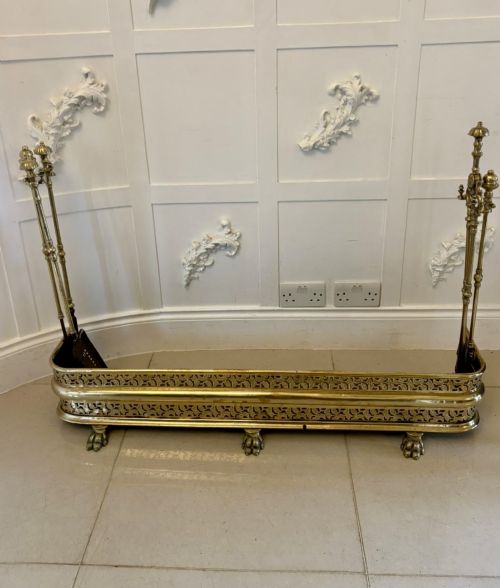
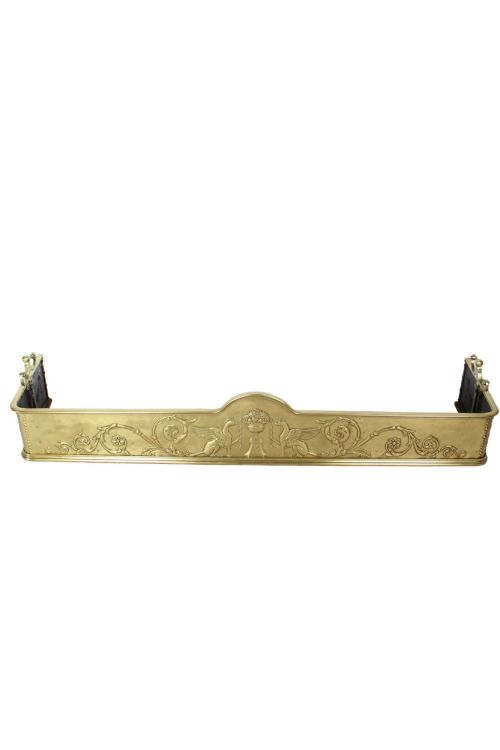
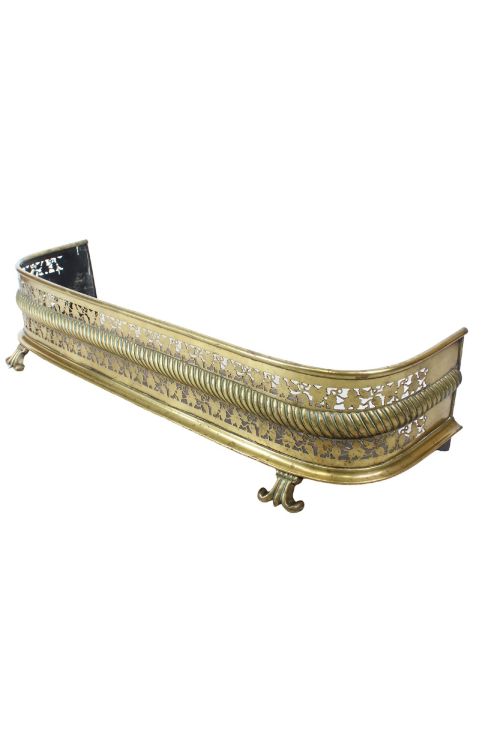
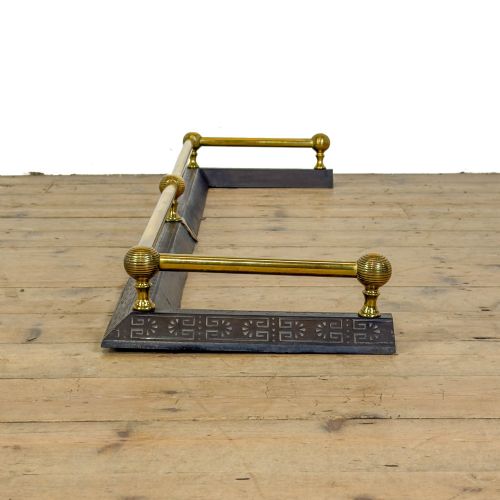
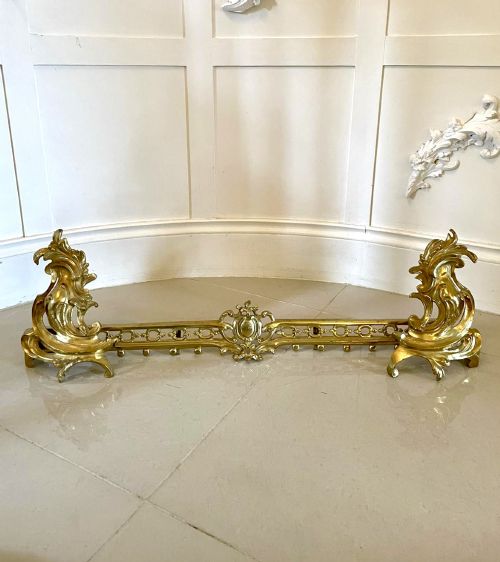
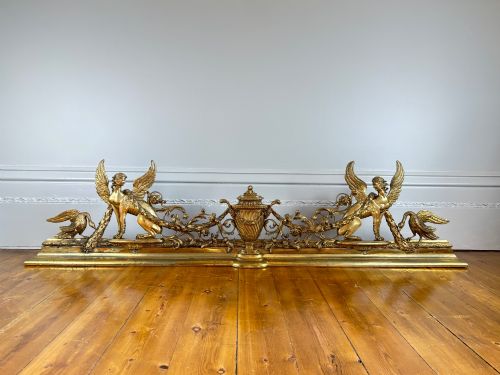
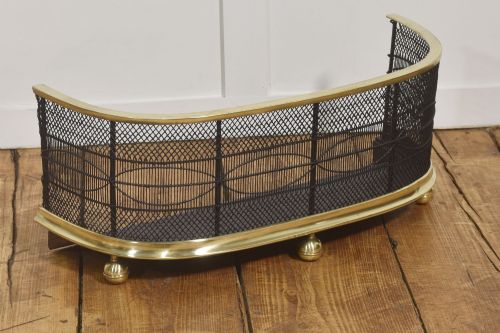
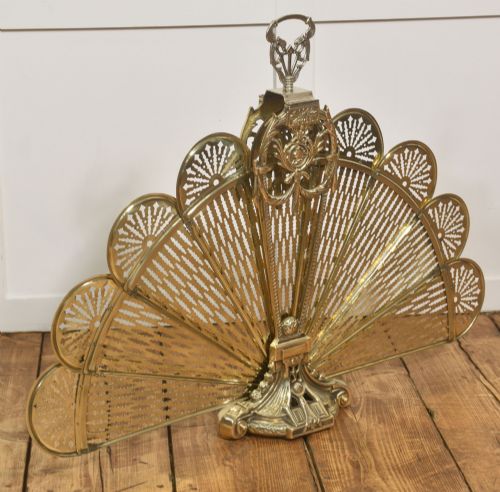
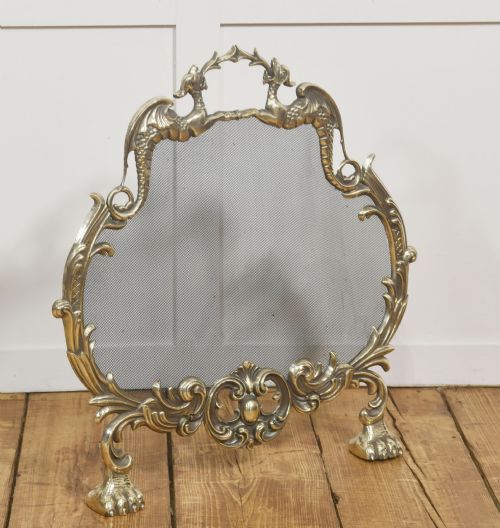
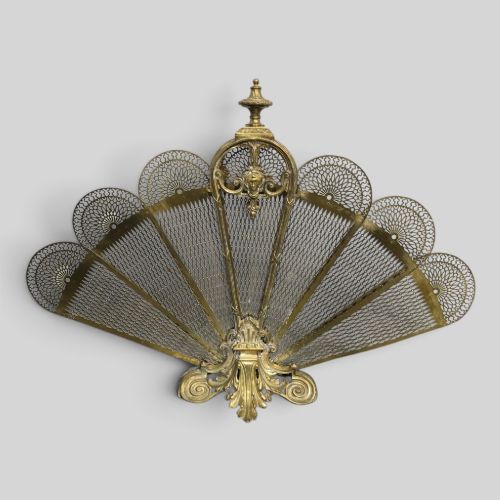
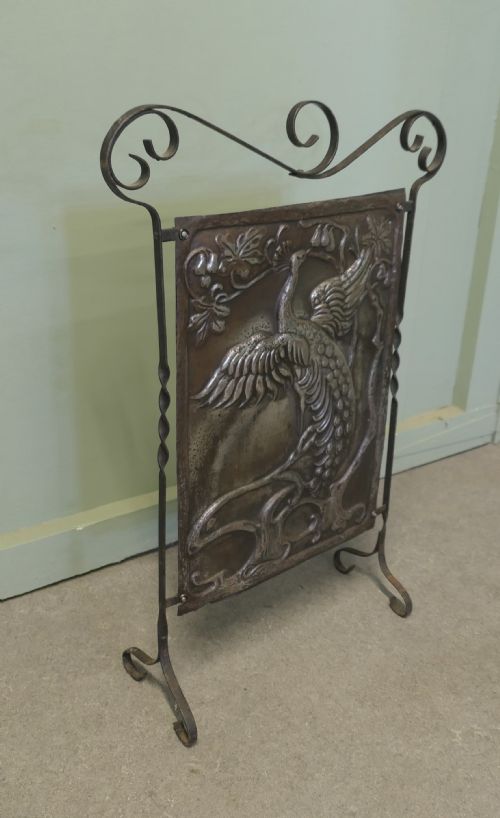
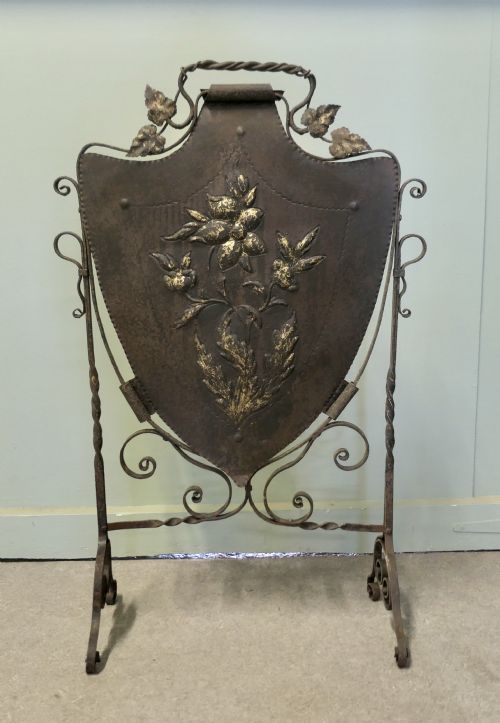
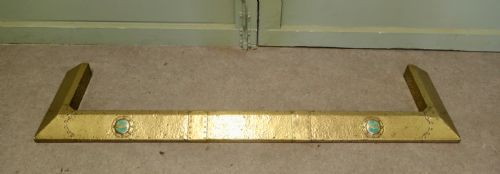
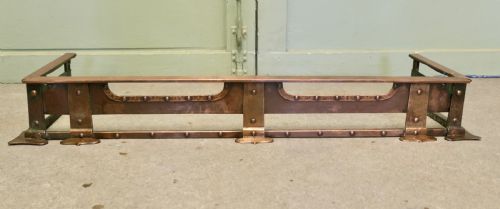
A hearth fire guard encompasses fenders, curb surrounds and folding screens designed to sit before an open grate. When you search for a hearth fire guard, you encounter pieces spanning the Victorian era through the early twentieth century.
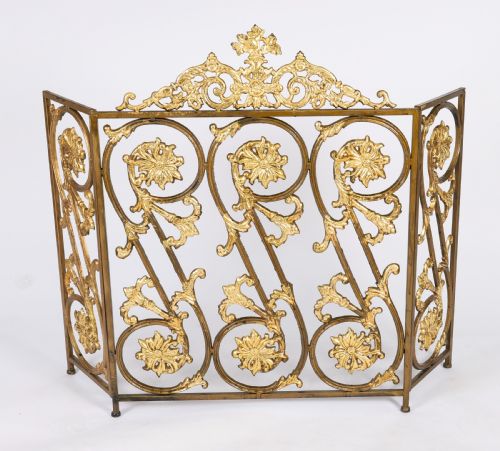
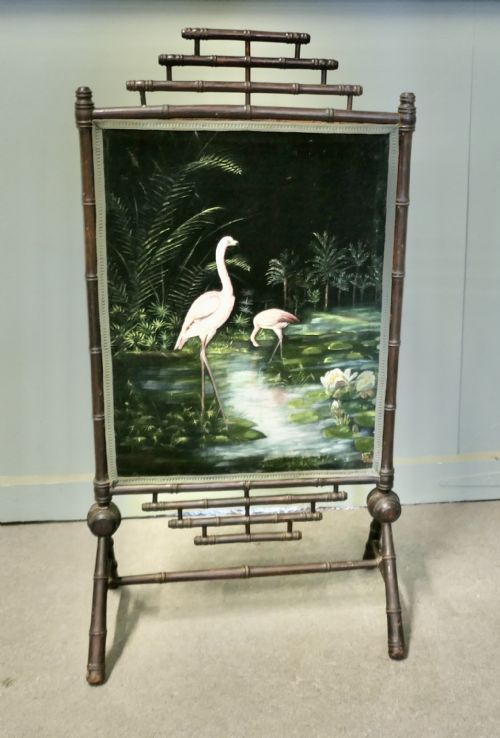
The selection leans heavily toward Victorian brass fenders and folding wire or metal screens. Many pieces combine functional metalwork with decorative panels of needlework, embroidered fabric or painted wood.
Origins range from English country houses to French ateliers and American workshops. Forms include simple adjustable kerbs, ornate rococo frames and expanding fan screens.
How they were made
Metalwork relies on cast and pierced brass, wrought iron, copper and steel formed into rigid frames or flexible mesh. Makers joined components with rivets, screws and brazing to withstand daily heat.
Decorative screens incorporate textile panels such as Berlin wool work and needlepoint set into walnut or rosewood frames. Details include embossed motifs, chased brass, enamel cabochons and painted lacquer surfaces.
Materials span brass, wire mesh, iron, copper, gilt bronze, wrought iron, steel and cast brass.
What varies in quality
Quality rests upon the weight of the metal and the crispness of the casting or piercing. Flimseier guards flex under hand pressure, whereas superior fenders use heavy gauge brass, bronze or iron that holds its line.
Hand finishing distinguishes finer examples through clean chisel work, well-fitted joints and intact original patination. Secondary elements like embroidered panels show tighter stitching and more complex heraldic or floral designs.
E F Caldwell New York
The Hearth Fire Guard Glossary
- Fender
- A low metal guard placed on the hearth to contain sparks and rolling embers. It often matches the width of the fireplace opening.
- Fire screen
- A movable panel placed before the fireplace when the fire is unlit to block drafts or hide the grate. Folding versions often use expanding fan blades.
- Berlin work
- A style of needlepoint embroidery popular in the nineteenth century using brightly coloured wools charted on grid paper. These panels frequently appear mounted within wooden screen frames.
- Pierced brass
- Metal sheet perforated with geometric or floral patterns to allow heat to pass through while containing debris. This technique appears widely on Victorian fenders.
- Ormolu
- Gilded bronze or brass applied to decorative mounts and screen frames, popular in French revival pieces. The finish provides a warm, metallic lustre.
Hearth Fire Guard: Frequently Asked Questions
How do I choose the right size?
Measure the width of your fireplace opening and the depth of your hearth before selecting a fender or screen. Adjustable models offer flexibility if your hearth dimensions fall between standard sizes.
Ensure clearance allows the guard to sit securely without obstructing fire irons or hearth accessories.
Can I use these with a working fire?
Most brass and wire mesh guards suit active coal or wood fires by containing sparks and embers. Fabric or needlepoint screen panels function best when the fire is unlit, serving as a decorative barrier.
Check that wire mesh and folding spark guards remain stable and secure against stray embers.
How do I clean polished brass?
Use a soft cloth and mild metal polish designed for brass to remove tarnish while preserving the underlying detail. Avoid harsh abrasives that wear away thin plating or original patination.
Allow aged patinated surfaces to retain their darker tones if you prefer a traditional historic appearance.
What is the difference between a fender and a screen?
A fender remains low to the ground and hugs the perimeter of the hearth to stop rolling logs and sparks. A screen stands upright to block radiant heat and conceal the empty grate during warmer months.
Many period hearths utilise both pieces together for complete utility and decoration.