
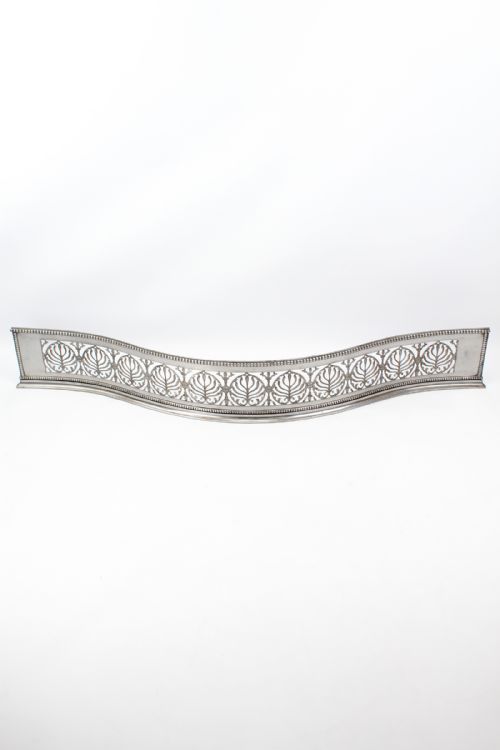


Antique Steel Fender
An antique steel fender anchors the hearth, combining polished metal and protective structure to frame the fire.
Antique Steel Fender
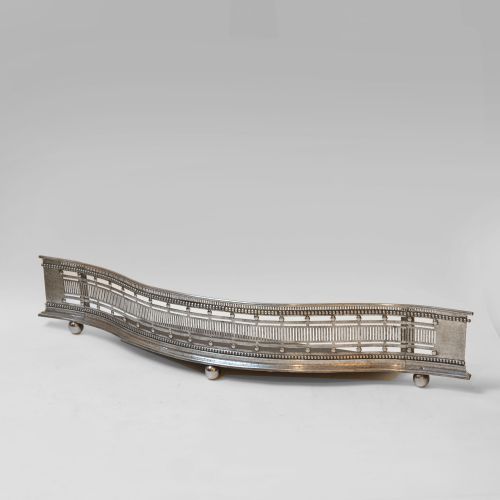
An antique steel fender is a hearth accessory designed to contain embers and frame an open fireplace. Buyers searching for an antique steel fender encounter a variety of forms, from restrained bowfront profiles to serpentine shapes originating in the Georgian and Victorian periods.
The pieces on this page span several eras including the Georgian, Regency, Victorian, and Edwardian periods. Common variations include simple curb fenders, low hearth guards, and larger club fenders fitted with upholstered leather seats.
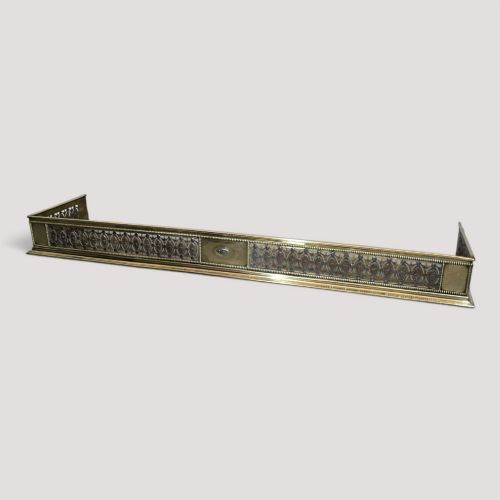
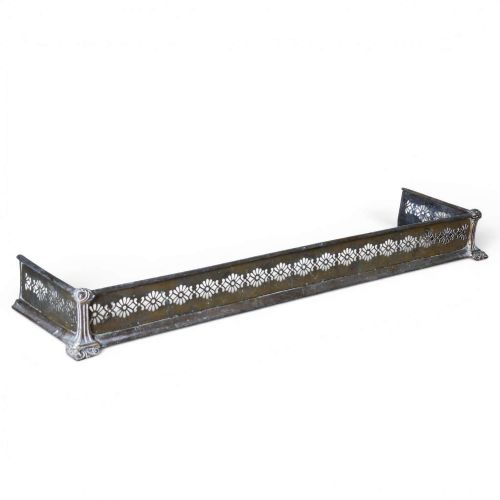
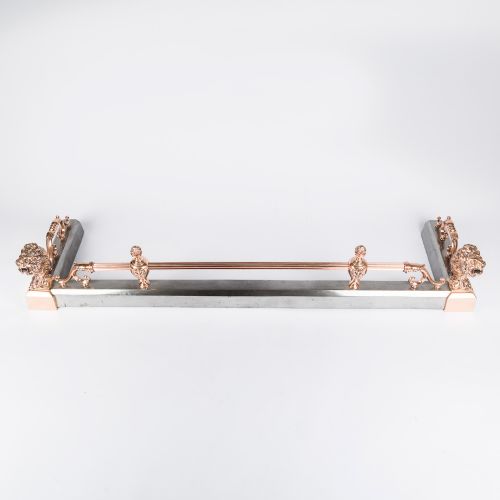
Many examples combine steel with contrasting metals like brass or incorporate decorative elements such as piercing, engraving, and applied motifs like lions or floral details. These hearth accessories reflect the changing domestic styles of British interiors across two centuries.
Materials and Construction Methods
Makers utilised steel as the primary structural and visual medium, often pairing it with brass for decorative mounts, gallery rails, and feet. Iron appears alongside steel in heavier frameworks, whilst copper and bronze provide subtle tonal contrast in specific nineteenth-century designs.
Surface treatment involved polishing the steel to a bright finish or leaving it with a dark, patinated texture. Piercing and engraving techniques created intricate openwork patterns along the fender front, while club fenders incorporated leather upholstery over a sturdy metal frame.
Listings feature steel combined with brass, copper, and leather across Georgian, Victorian, and Edwardian periods.
Judging the Quality of Hearth Fenders
Quality in these pieces rests upon the crispness of the metalwork and the integrity of the construction. Fenders featuring hand-pierced detailing or deeply engraved serpentine fronts demonstrate a higher standard of craftsmanship than simpler cast or pressed alternatives.
The choice of secondary materials also distinguishes the work; pieces incorporating substantial brass mounts, robust leather hide on club seats, or carefully balanced proportions show greater original investment. The weight of the metal and the precision of the mitres and joins indicate the skill of the workshop.
The Antique Steel Fender Glossary
- Serpentine fender
- A hearth guard featuring a gentle undulating front curve that sweeps outward toward the ends. This profile is frequently associated with Georgian craftsmanship.
- Club fender
- A low-sitting hearth guard equipped with cushioned leather seats on either side. These were originally designed for gentlemen to sit close to the fire.
- Cut steel
- A decorative technique where small steel studs are individually faceted and riveted to a backing plate to catch the firelight. It appears on finer nineteenth-century examples.
- Bowfront fender
- A hearth surround with a convex curve projecting outward into the room. This shape softens the geometry of the fireplace opening.
- Curb fender
- A low metal barrier placed directly on the floor around the hearth to retain ash and coal. It represents the simplest form of fireplace guard.
Antique Steel Fender: Frequently Asked Questions
What is a club fender?
A club fender is a hearth accessory featuring upholstered seats built over a low metal frame. This design allowed people to sit directly by the fire while keeping warm.
These pieces typically date from the Victorian and Edwardian eras, utilising steel or brass structures paired with leather upholstery.
How do I clean an antique steel fender?
Cleaning requires gentle methods to preserve the original metal surface and patina. Light dusting and occasional application of appropriate metal care keep the steel protected without removing age.
Avoid harsh abrasives or modern chemical dips that strip the historic finish. Professional advice helps determine the correct treatment for polished versus patinated steel.
Were these fenders used for coal or wood fires?
These metal surrounds were built to contain coal, coke, or wood burning in traditional hearths. The heavy steel and iron construction withstood high temperatures and flying sparks.
Many styles evolved specifically to manage the intense heat and debris associated with nineteenth-century coal grates in British homes.
How do I date an antique fender?
Dating relies on stylistic clues, construction techniques, and the combination of materials used. Georgian pieces often display refined serpentine shapes and delicate piercing, whereas Victorian examples introduce cast iron and bolder brass mountings.
Edwardian and later pieces frequently incorporate leather club seating and simpler geometric or art nouveau motifs.