

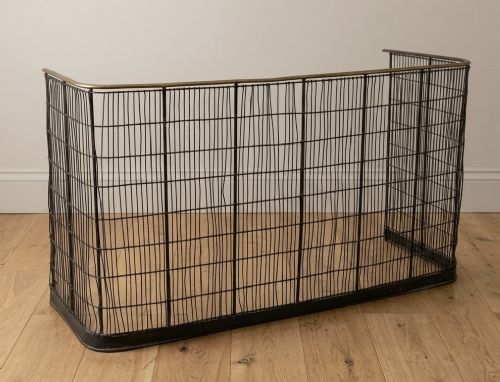


19th Century Fender
A 19th century fender anchors the hearth, protecting the room from stray embers while adding sculptural weight to the fireplace.
19th Century Fender
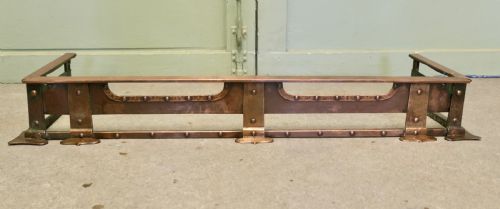
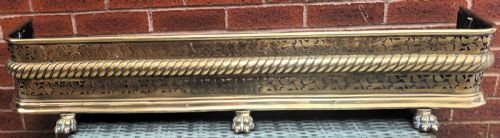
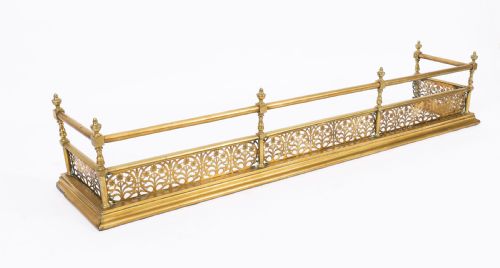
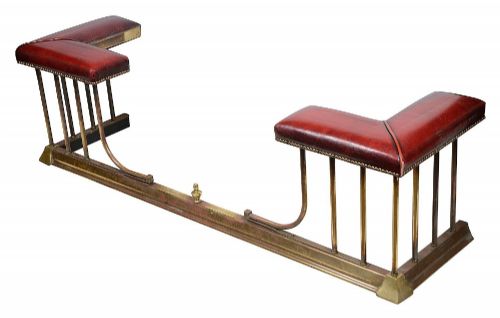
A 19th century fender frames the fireplace hearth, appearing as a low metal guard or curb designed to contain ash and sparks. These pieces span simple iron frames to elaborate brass structures, often incorporating upholstered seats in the club configuration.
The material palette shifts from heavy cast iron and steel to polished brass, copper, and bronze, frequently styled in Victorian, Regency, or Arts and Crafts aesthetics. Many examples include adjustable mechanisms, wire mesh panels, or extended nursery guards for practical domestic use.
Assessing the Standard
Quality rests in the thickness of the metal gauge and the crispness of any pierced or cast ornamentation. Substantial weight, robust corner supports, and integrated heavy brass top rails distinguish superior examples from lighter utilitarian items.
The integrity of the construction, whether an extending mechanism operates smoothly or leather upholstery shows careful execution, separates standard production pieces from fine country house commissions.
19th Century Fender Retail Price Guide 2026
Typical asking prices for 19th century fender among the pieces listed under this phrase on Sellingantiques today, from the lower quarter to the upper quarter. They describe what is for sale here now, not the wider market.
Some nursery versions included wall hooks so lively toddlers could not push the entire iron barrier into the flames.
The 19th Century Fender Glossary
- Club fender
- A low fireplace guard featuring cushioned top rails upholstered in leather or fabric, creating fireside seating. These designs allow people to sit directly above the hearth warmth.
- Nursery fender
- An elevated wire mesh or iron guard designed to prevent children and pets from reaching the fire. These tall structures enclose the entire hearth perimeter.
- Curb fender
- A low metal barrier fitted closely around the hearth stone to contain rolling logs and ash. They are typically fashioned from brass, steel, or iron.
- Chenet
- An ornamental firedog placed within or beside the hearth, sometimes matching the metalwork of the surrounding fender. They often display rococo or classical bronze casting.
- Pierced brass
- Sheet metal perforated with decorative geometric or floral patterns. This technique lightens the visual weight of heavy brass guards while allowing heat to radiate.
19th Century Fender: Frequently Asked Questions
What is a club fender?
A club fender is a hearth guard fitted with padded seats along the top rail. It provides practical protection from sparks while offering extra seating directly by the fire.
These pieces were popular in large libraries and country houses where hearth space was utilised for gathering during colder months.
How do I choose the right size?
Measure the width and depth of your fireplace hearth precisely before selecting a fender. Many period examples feature adjustable frames or extending sections to accommodate varying dimensions.
Ensure adequate clearance between the iron or brass guard and the firebox opening for safety and aesthetic balance.
How do I clean brass and steel?
Maintain polished brass and steel surfaces using a soft cloth and appropriate metal cleaner applied sparingly. Avoid harsh abrasives that can strip historical patina from the antique finish.
Leather seats on club versions require regular conditioning with a neutral wax or balm to prevent drying and cracking over time.
Were these made for nurseries?
Nursery fenders are taller enclosures built with fine wire mesh or iron rails to keep children safely away from open flames. They often feature wall attachment hooks for added stability.
These tall guards protected domestic spaces before modern central heating altered fireplace usage entirely.