
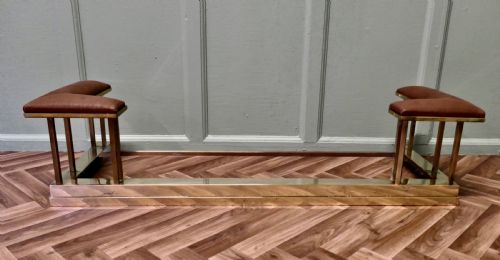
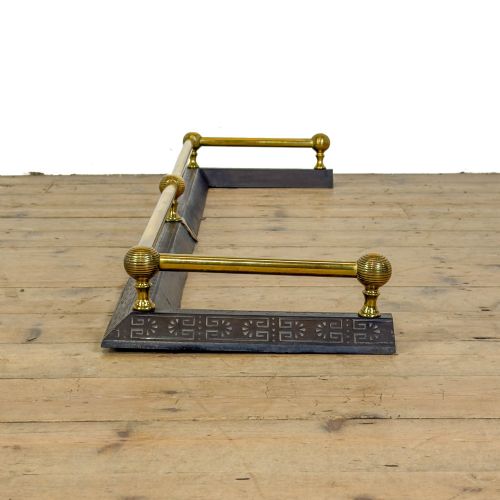
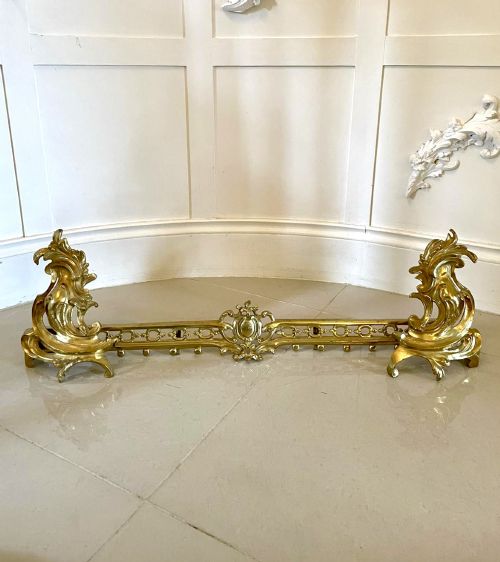
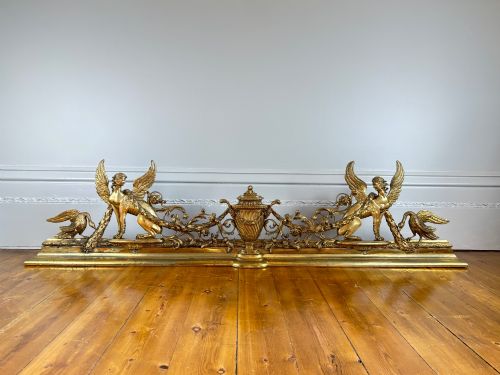
Antique Fire Surround
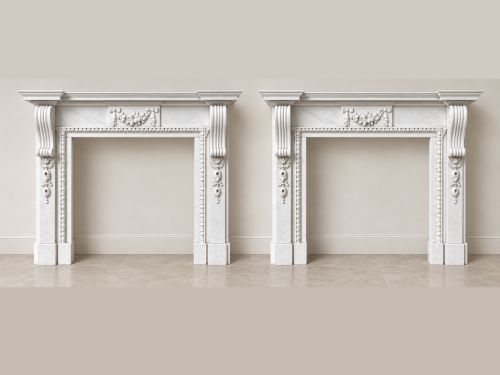
These antique fire surround examples anchor a room with period character and architectural presence.
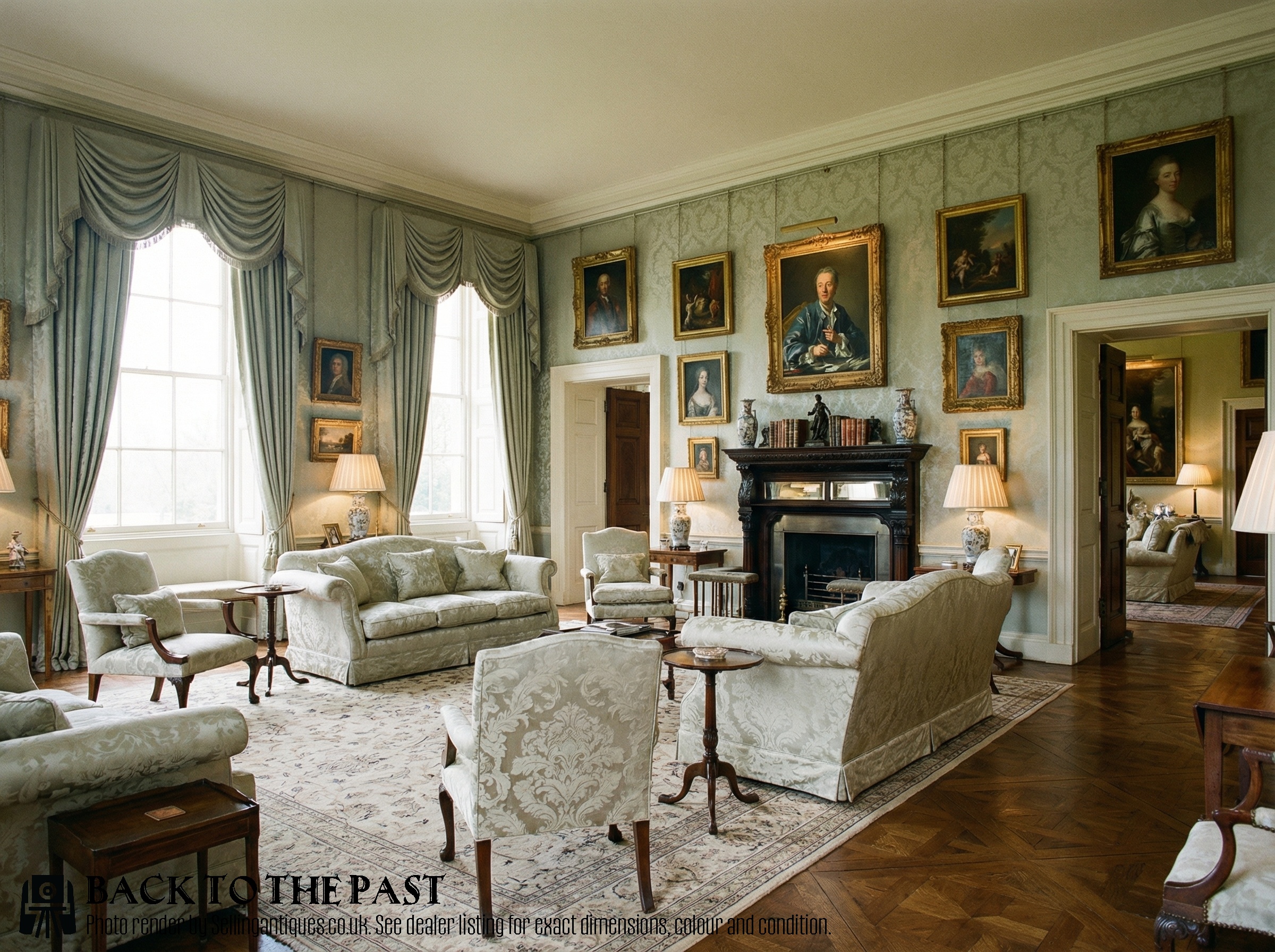
Antique Fire Surround
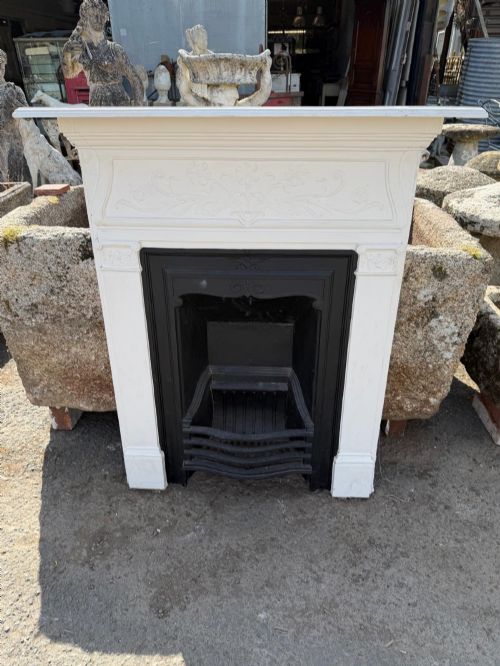
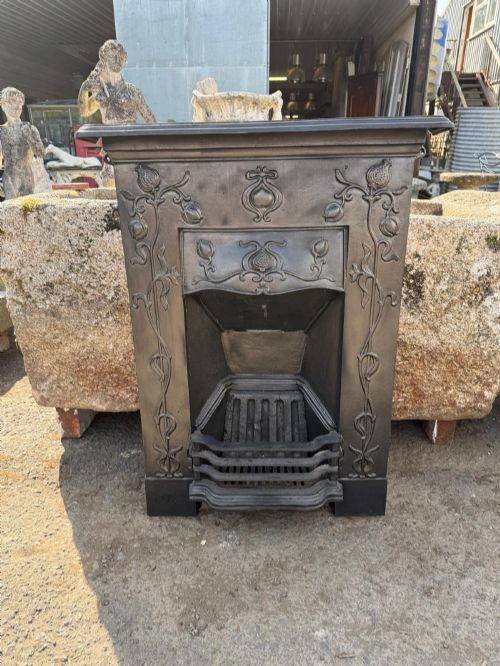
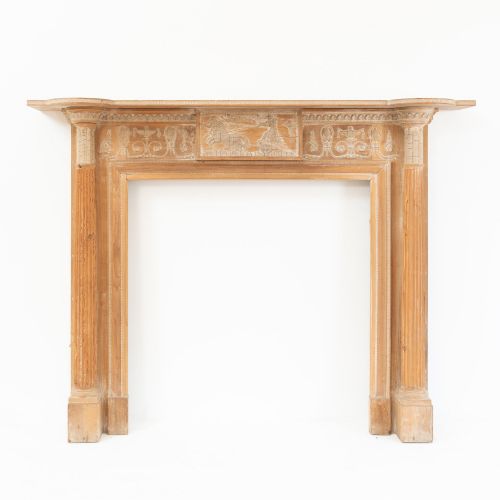
An antique fire surround acts as the structural and visual focal point of a chimney breast, framing the hearth with period design. The pieces available here draw from the nineteenth century, encompassing Georgian, Victorian, and Edwardian aesthetic movements.
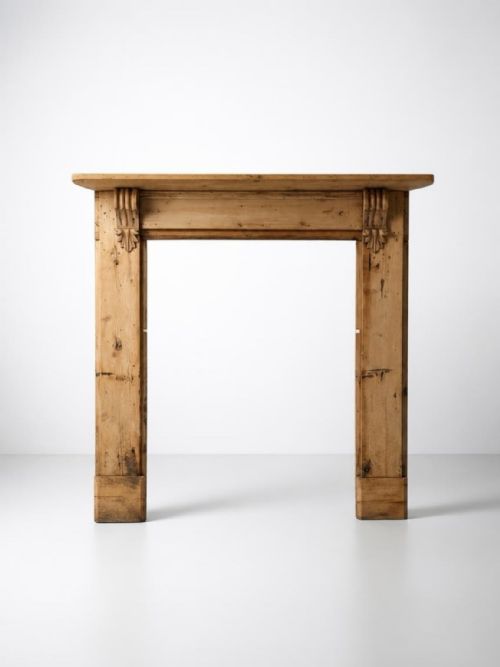
The inventory showcases varying forms, from painted pine and carved oak to walnut and elm. Architectural influences span Neoclassical, Adam style, and William Kent designs, alongside simpler vernacular iterations.
Materials and construction
Carpenters utilised timbers such as pine, oak, elm, and walnut, often applying white or decorative paint over the wood. Gesso work provided a smooth base for intricate surface ornamentation and classical detailing.
Hand carving defined the execution of fretwork columns, mantels, and friezes. Joinery techniques varied from robust solid wood construction to applied carved mouldings upon structural timber carcasses.
Antique Fire Surround Retail Price Guide 2026
Typical asking prices for fire surround among the pieces listed under this phrase on Sellingantiques today, from the lower quarter to the upper quarter. They describe what is for sale here now, not the wider market.
Listings feature timber varieties including pine, oak, elm, and walnut, alongside painted surfaces and gesso.
Distinctions in quality
The hierarchy of quality rests upon the depth and crispness of the hand carving, alongside the architectural integrity of the design. Pieces featuring architectural lineage, such as Adam or William Kent inspirations, command greater design complexity.
Material selection further divides the range, with dense hardwoods like walnut and carved oak sitting alongside softer painted pine and gesso formations. The sophistication of surface finishes, whether original paint layers or detailed fretwork, dictates the tier of craftsmanship.
Thomas Elsley·Thomas Jekyll·Liberty London
The Antique Fire Surround Glossary
- Fretwork
- Openwork ornamentation carved or pierced through the wood. This technique appears on columns and friezes to add delicate texture.
- Gesso
- A plaster mixture applied to wood surfaces as a base for painting or gilding. It allows for sharp, moulded relief details.
- Mantelpiece
- The shelf and framing structure above a fireplace opening. It serves as the primary display surface on a fire surround.
- Neoclassical
- A style drawing inspiration from classical antiquity. It manifests in architectural motifs such as pilasters, urns, and swags.
Antique Fire Surround: Frequently Asked Questions
How do I choose the right size fire surround?
Measure the width and height of your existing fireplace opening and the surrounding chimney breast wall space. Ensure the internal dimensions of the surround clear the hearth insert safely.
Consider the proportional height of the mantel shelf relative to the room's ceiling height. A larger reception room accommodates grand architectural surrounds better than a compact chamber.
Can I paint an antique wooden fire surround?
Many historical pieces feature original paint or layered finishes that contribute to their decorative character. Assess whether the existing surface is historic before applying new coats.
If the timber has been stripped or previously painted modern emulsions, you can repaint it to suit your interior scheme. Preparing the wood properly ensures adequate adhesion for modern paints.
How do I install a heavy wood fire surround?
Secure the surround directly to the wall studs or masonry backing using appropriate heavy-duty fixings. Because timber and cast iron weigh considerably, professional installation is strongly recommended.
Check that the floor level is even so the legs of the surround sit plumb. Level alignment prevents structural stress on the mitred joints of the mantel.
Are these surrounds suitable for working fireplaces?
Surrounds made from wood, pine, oak, or gesso require adequate clearance from open flames or high-heat inserts. Local building regulations dictate the minimum distance between combustible materials and the fire source.
Many period surrounds served coal or gas grates with appropriate firebrick insulation. Confirm that your specific hearth setup meets safety codes for heat transference.