
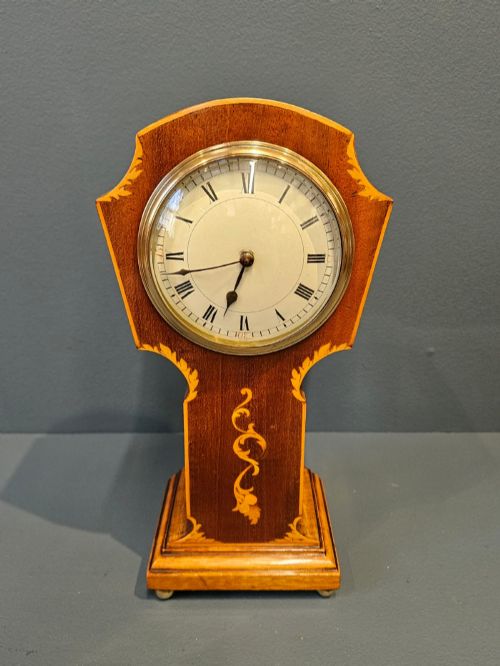
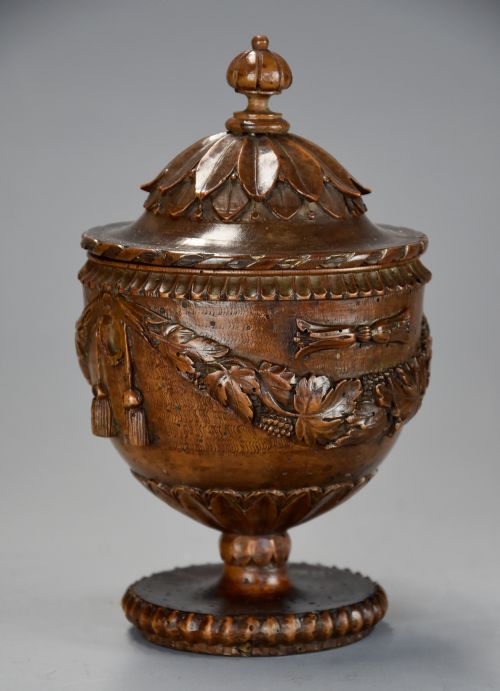


Antique Wooden Mantelpiece
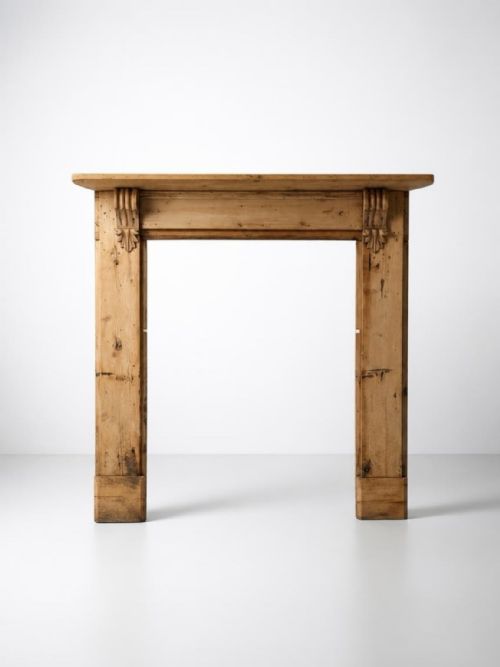
An antique wooden mantelpiece brings architectural presence to a room, offering a focal point framed in pine, oak, mahogany, or painted finishes.
Antique Wooden Mantelpiece
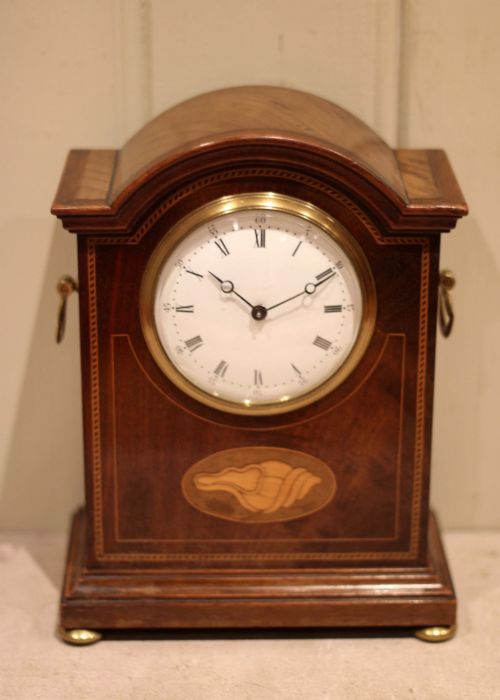
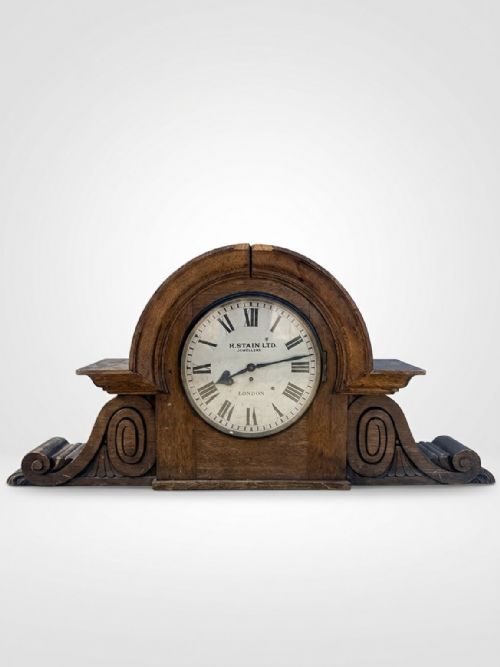
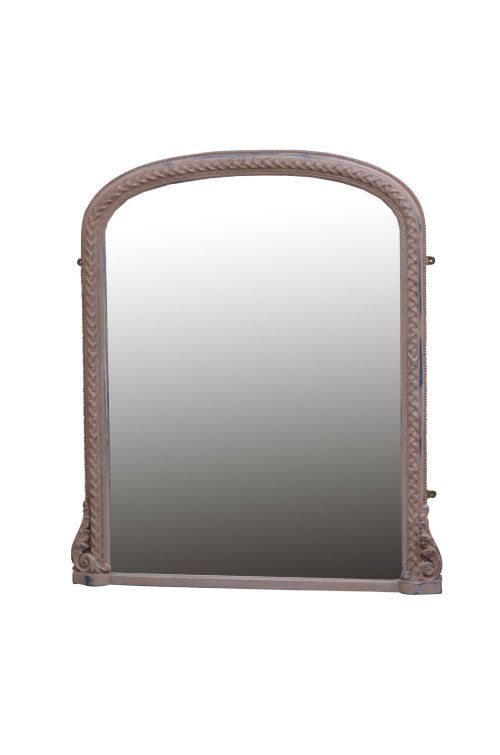
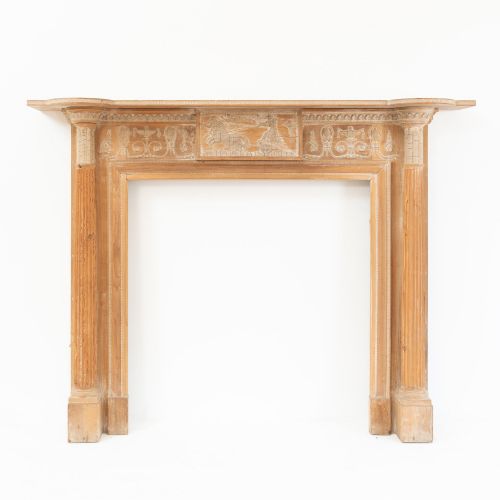
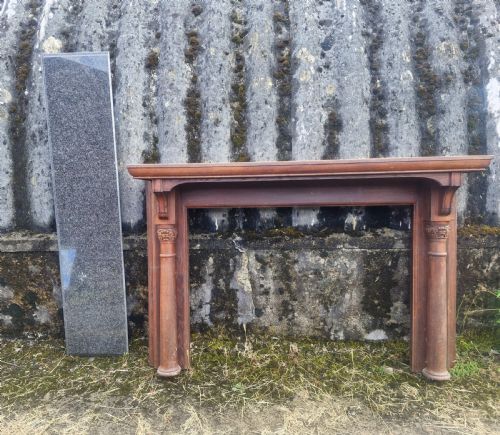
An antique wooden mantelpiece takes the form of fireplace surrounds, architectural fire surrounds, and overmantel mirrors constructed from woods such as pine, oak, and mahogany. These fixtures span periods from the Georgian and Regency eras through the Victorian, Edwardian, and early twentieth century.
Surrounds frequently appear in carved pine, white painted pine, pitch pine, or solid oak, occasionally incorporating granite tops or gesso ornamentation. Overmantel mirrors framed in walnut, mahogany, or painted wood also accompany these fireplace furnishings.
How they were made
Carpenters and craftsmen constructed these architectural surrounds and frames using timber such as oak, mahogany, pitch pine, and soft pine. Surfaces received finishes including French polish, applied paint, carved gesso, or dark ebonisation.
Joinery techniques combined pegged or glued joints for structural frames with hand-carving for decorative mouldings, fluting, and applied wooden details.
Materials associated with these architectural listings include brass, gesso, granite, glass, and painted pine surfaces.
What varies in quality
The standard of carving and the selection of timber dictate the character of each piece, distinguishing utilitarian pine surrounds from finely figured mahogany or deeply carved walnut and oak. Depth of relief in architectural mouldings and the crispness of applied gesso ornamentation show the maker's skill.
Surface preservation affects the integrity of these items, as original painted finishes, polished grains, and patinated wood surfaces retain more historical character than stripped or heavily restored timber.
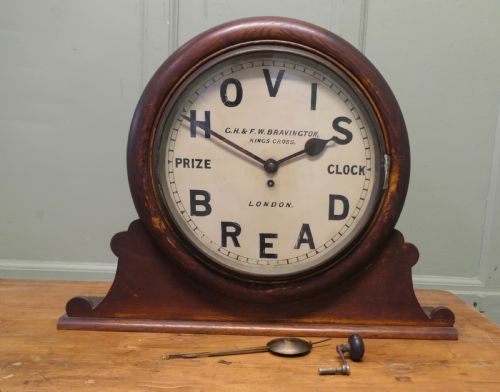
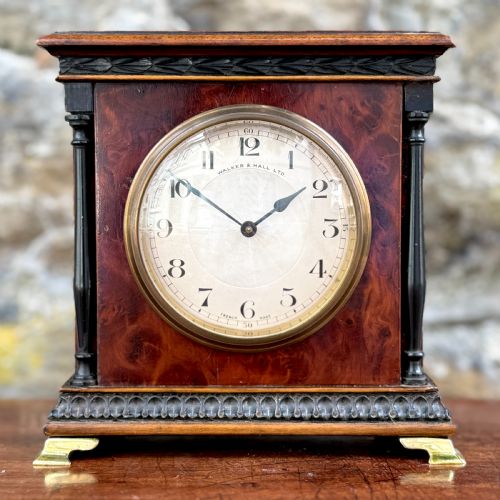
Thomas Hope·Perigal of London·L. Vick of Stroud·Henry Marc·Winterhalder and Hofmeier·G.H. and F.W. Bravington·W. Burton·Walker and Hall·Lenzkirch
The Antique Wooden Mantelpiece Glossary
- Overmantel mirror
- A large mirror designed to hang or stand directly upon the mantelpiece shelf above a fireplace.
- Gesso
- A plaster-based material applied to wood surfaces and carved or moulded into decorative reliefs before gilding or painting.
- Pine surround
- A fireplace frame constructed from softwoods like pitch pine or white pine, frequently found painted or polished.
- Ebonisation
- A chemical or pigment treatment applied to cheaper woods to imitate the dark, dense appearance of ebony.
- Inlay
- The technique of embedding contrasting pieces of wood or metal into the timber surface to create decorative patterns.
Antique Wooden Mantelpiece: Frequently Asked Questions
What periods do these wooden mantelpieces cover?
The pieces span several centuries, originating from Georgian and Regency workshops, Victorian houses, and Edwardian or early twentieth-century interiors. Styles range from classical Neoclassical designs to plain folk art and regional carpentry.
Materials reflect the prevailing tastes of each era, moving from rich mahogany and walnut in the eighteenth century to pitch pine, oak, and painted softwoods in the Victorian and Edwardian periods.
How do I choose between painted and natural wood?
Natural wood surrounds display the grain and colour of oak, mahogany, or pine, whereas painted versions often feature white or layered colour palettes applied over pine.
Consider the period of your room and whether the architecture calls for the dark warmth of polished timber or the lighter appearance of a painted architectural frame.
How were overmantel mirrors used with fireplaces?
Overmantel mirrors were hung or rested on the mantel shelf to reflect light from windows and candles across the room, amplifying the impact of the fireplace.
They share materials and decorative styles with the wooden surrounds below them, often incorporating mahogany, walnut, or painted frames.
Are these surrounds suitable for modern working fireplaces?
Surrounds made from pine, oak, and mahogany were originally built for solid fuel hearths, though internal clearances vary by era and individual design.
Check the internal dimensions of the opening against your specific fireplace requirements before installation.