

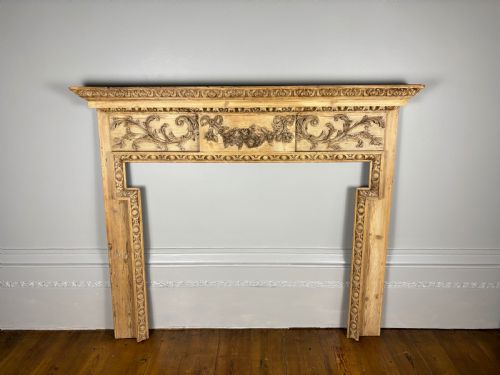


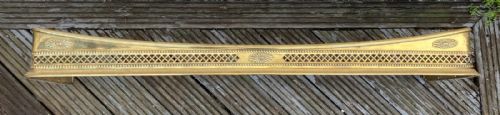

Georgian Fire Surround
A georgian fire surround anchors a room with classical proportion, combining the structural dignity of stone and carved pine with the warmth of brass and steel hearth furniture.
Georgian Fire Surround
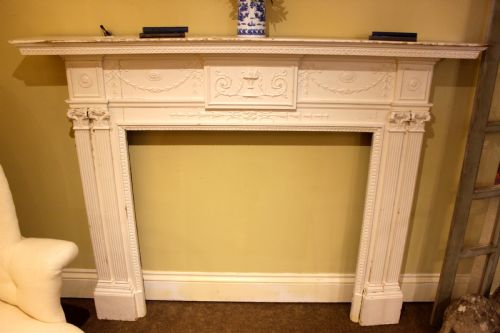
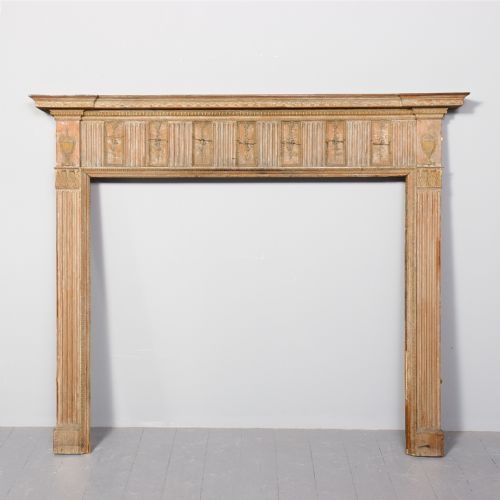
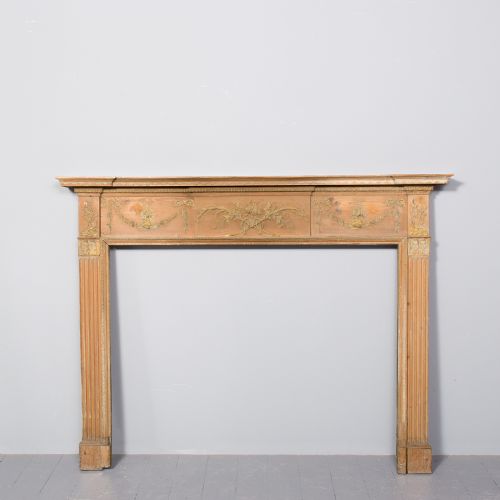
A georgian fire surround provides the architectural centrepiece of a period room, framing the hearth with classical columns, friezes, and mantel shelves. These architectural elements organise the wall elevation above the fireplace opening.
Makers and craftsmen of the period applied neoclassical motifs derived from ancient architectural precedents, utilising precise symmetry and balanced proportions. Such designs dictated the visual weight of the interior receiving them.
Materials and construction methods
Carpenters and joiners worked principally in pine, shaping timber for mantels and surrounds before applying moulded gesso layers to carry intricate neoclassical relief details. Paint finishes were frequently applied to these wooden surfaces.
Stonemasons carved heavier architectural surrounds from statuary white marble, Welsh slate, and durable stone. These mineral components required precise geometric alignment to support the substantial weight of the chimney breast.
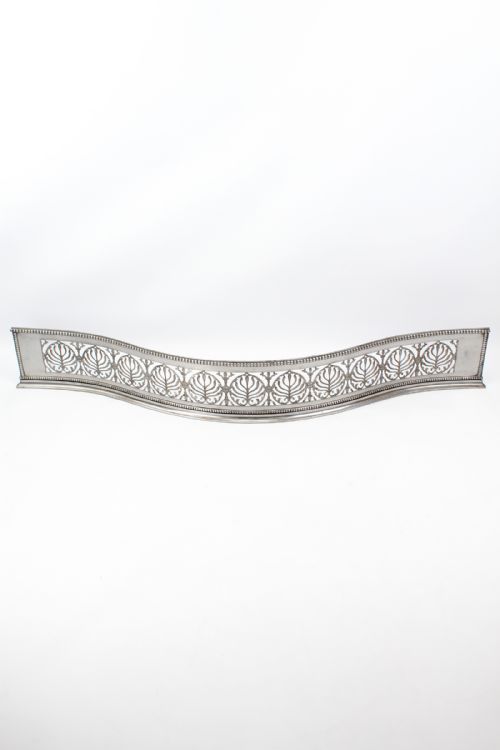
Metalworkers fabricated hearth furniture using brass, polished steel, cast iron, and wrought iron. Techniques included piercing sheet brass and forging steel into serpentine and curb fender profiles.
Some nursery fenders included integrated mesh guards to keep adventurous toddlers away from glowing embers while keeping the hearth tidy.
What separates the grades of work
Depth and crispness of carved detail distinguish superior gesso and wood components from simpler output, as skilled modellers achieved sharp architectural definition without brittle fracturing in the plaster ornament.
The selection of raw materials dictates quality, with flawless statuary marble and dense, knot-free pine commanding higher execution levels than utilitarian stone or painted softwood builds.
Metal components show quality through the weight of the cast brass, the precision of pierced decorative friezes, and the smoothness of polished steel surfaces rather than mere surface shine.
The Georgian Fire Surround Glossary
- Gesso
- A plaster mixture applied to wood surfaces and moulded into relief decoration. It provides a smooth base for subsequent paint layers.
- Fender
- A low metal barrier placed on the hearth to contain embers. These items are commonly forged from brass, steel, or iron.
- Mantelpiece
- The decorative framework surrounding a fireplace opening, including the shelf projecting above. It serves as the primary architectural focal point of a chimney breast.
- Serpentine
- A curved line or shape featuring a concave centre flanked by convex curves. This profile is frequently seen on hearth fenders.
- Neoclassical
- A style reviving classical Roman and Greek architectural forms. It is characterised by symmetry, straight lines, and classical motifs.
Georgian Fire Surround: Frequently Asked Questions
How do I clean a painted pine surround?
Clean painted pine gently using a soft, dry cloth to remove surface dust. Avoid abrasive cleaners that might disturb historic paint layers.
Test any mild soap solution on a hidden area first. Excessive moisture can damage underlying gesso and wood substrates.
Can I use a historic fender with a modern fire?
Historic fenders function primarily as decorative hearth guards rather than structural fire barriers. Modern heat outputs can affect aged metal and polished steel.
Ensure adequate clearance between the heat source and the metalwork. This prevents thermal distortion of the antique brass and iron components.
How do I distinguish George III from Victorian pieces?
George III pieces typically display strict neoclassical restraint and delicate gesso ornamentation. Proportions follow classical architectural rules closely.
Victorian interpretations often introduce heavier casting techniques and busier decorative detailing. Materials also shift towards mass-produced cast iron and polished brass.
What maintenance do brass and steel fenders require?
Polished steel and brass benefit from regular light dusting with a dry microfiber cloth. This prevents atmospheric moisture from settling into the metal grain.
Avoid aggressive metal polishes that strip away historic surface patination. Preservation of the original finish maintains the integrity of the piece.