




Classical Gesso Mantel
A classical gesso mantel brings architectural grace to a room, offering grand proportions and intricate surface ornament that defines a historic interior.
Classical Gesso Mantel
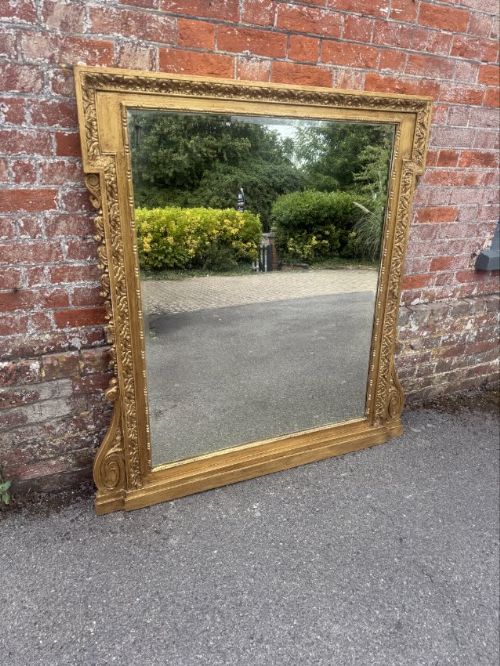
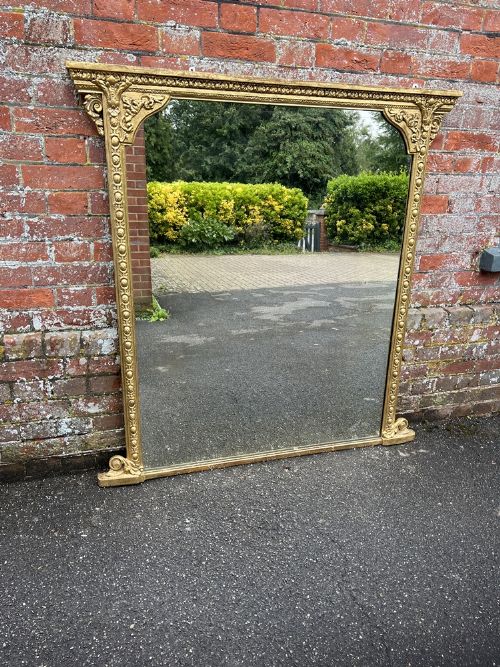
A classical gesso mantel encompasses both decorative fireplace surrounds and large overmantel mirrors designed to sit above a hearth. These pieces anchor a room with substantial presence, originating from periods spanning the nineteenth century up to the early twentieth century. Buyers seeking this aesthetic will predominantly find overmantel mirrors alongside occasional architectural fire surrounds.
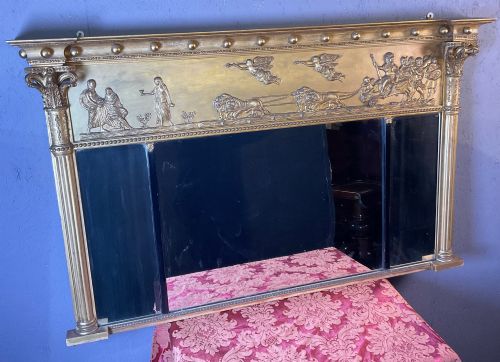
The objects reflect distinct design movements including Victorian, Regency, Neoclassical, and French Rococo Revival styles. They combine functional glass plates with heavily ornamented wooden frames built to command attention in principal reception rooms. Most surviving examples hail from English, French, and Italian workshops utilising traditional construction methods.
How they were made
The construction of a classical gesso mantel relies on a sturdy timber base, typically pine or carved wood, which provides the structural framework for the piece. Artisans applied successive layers of gesso - a mixture of chalk and binder - directly onto the wood to build up sculptural depth. This malleable surface allowed craftsmen to model intricate relief details and classical motifs by hand.
Finishing techniques involved the application of gold leaf, silvered treatments, or paint over the prepared gesso ground. Gilding added a luminous quality that caught candlelight and daylight within a nineteenth-century drawing room. Specialised frames also incorporated ribbed columns and bevelled glass plates secured within the heavy wooden carcasses.
Listings feature pine structures coated in gesso, paired with glass plates and finished in gold leaf or silvered treatments across the nineteenth century.
What varies in quality
Quality in these pieces depends heavily on the crispness of the moulded relief and the depth of the underlying carved wood. Superior examples display sharply defined classical motifs where the gesso has retained its intended contours without softening over decades of maintenance. Lesser pieces often exhibit clumsy repairs, lost ornament, or thick overpainting that obscures the original hand of the maker.
The proportion and weight of the frame relative to the mirror glass also indicate the standard of craftsmanship. High-grade items utilise heavy timber frames that support elaborate crestings and columns without warping. The integrity of the original gilding or silvering further distinguishes standard decorative output from exceptional studio work.
The Classical Gesso Mantel Glossary
- Gesso
- A plaster-like mixture applied to wood surfaces to create a smooth or sculpted ground for gilding and painting. It forms the raised decorative relief characteristic of these frames.
- Overmantel mirror
- A large wall-mounted mirror specifically proportioned to hang directly above a fireplace mantelpiece. These items visually expand the room and reflect light from the hearth.
- Giltwood
- Timber carved and subsequently covered with a thin layer of gold leaf. This material offers a rich, reflective finish standard in formal nineteenth-century interiors.
- Ribbed column
- A vertical architectural support featuring parallel rounded mouldings. It frequently frames the sides of nineteenth-century overmantel mirrors in the classical taste.
- Neoclassical
- A revival style drawing inspiration from the classical art and architecture of ancient Greece and Rome. It emphasises symmetry, restraint, and formal ornamental motifs.
Classical Gesso Mantel: Frequently Asked Questions
How do I hang a heavy overmantel mirror safely?
These substantial pieces require professional wall fixings secured directly into structural masonry or heavy timber studs. Given the combined weight of wood, gesso, and thick glass, standard picture hooks are insufficient.
Weight distribution must be carefully managed using heavy-duty mirror brackets or a French cleat system. Consulting a professional installer ensures the piece remains secure against the wall.
Can I place a gesso mirror above an active fireplace?
Placing these items above a working hearth exposes them to rising heat and soot over time. Historical gesso and delicate gold leaf react sensitively to extreme temperature fluctuations.
Using a fireboard or maintaining a low-burning fire helps protect the vulnerable surface finish. Regular gentle dusting prevents soot accumulation from settling permanently into the textured relief.
How can I tell a Victorian piece from a Regency one?
Regency items, often dating around the turn of the nineteenth century, generally favor leaner classical lines and architectural austerity. Victorian and late Victorian iterations tend toward heavier proportions and more exuberant ornamentation.
Examining the construction methods, backboards, and fastener types helps confirm the period. Stylistic cues such as French Rococo Revival influences also point towards later nineteenth-century production.