



Regency Fireplace Surround
A regency fireplace surround brings classical restraint to a room, offering clean architectural lines and refined proportions that anchor a formal interior.
Regency Fireplace Surround
Buyers encounter examples spanning the neoclassical and Georgian idioms, reflecting the decorative tastes of country houses and urban residences from eighteen hundred to eighteen fifty. These fixtures define the hearth space, framing the fire opening with structural presence.
How they were made
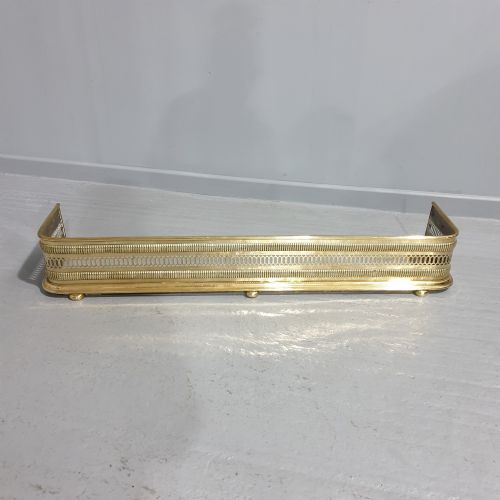
Makers fashioned these surrounds from pine, applying detailed gesso ornament to achieve crisp classical motifs without the weight of carved stone. Metalwork incorporates brass, steel, iron, and bronze, shaped into fenders and fire guards with pierced detailing and cast mounts.
Workshops utilised polished steel and gilt bronze for reflective surfaces, pairing them with heavy brass garlands and cast details executed in the manner of designers like George Bullock.
Some heavy brass fenders incorporate cast lions guarding the hearth, keeping watch over the fireplace long after the embers fade.
What varies in quality
Quality rests in the crispness of the gesso moulding and the depth of the timber carving, where sharp architectural lines distinguish better examples from softer, worn work. Metal components show variation in the weight of the brass and the precision of the cast lions and garlands.
The finish of the polished steel and the integrity of the joins determine the longevity and visual impact of the piece within a functioning or decorative hearth setting.
The Regency Fireplace Surround Glossary
- Gesso
- A plaster-like material applied to pine and carved or moulded into decorative architectural details. It provides a smooth surface for gilding or painting.
- Fender
- A low metal barrier placed on the hearth to contain embers and protect the flooring. They appear in brass, steel, and bronze.
- Neoclassical
- A style drawing on classical antiquity, characterised by symmetrical geometry and restrained ornament. It dominates the decorative language of this period.
- Curb fender
- A heavy metal frame fitted directly to the hearth perimeter. These often incorporate decorative brass garlands and pierced ironwork.
Regency Fireplace Surround: Frequently Asked Questions
What defines a regency fireplace surround?
These surrounds are defined by their early nineteenth-century origins, often constructed from pine and finished with gesso ornamentation. They draw heavily on neoclassical design principles, favouring symmetry and architectural proportion.
They provide a formal focal point for a room, setting the architectural tone for the hearth area without excessive ornamentation.
How do metal fenders relate to the surrounds?
Metal fenders in brass, steel, and bronze serve as the protective barrier at the base of the fireplace, complementing the architectural surround above. They share the same period aesthetics and material finishes.
Many incorporate cast elements like lions or garlands, echoing the decorative motifs found across hearth accessories of the era.
What materials were commonly used?
Pine serves as the primary structural timber for surrounds, finished with gesso for detailed surface decoration. Metal elements utilise brass, polished steel, iron, and bronze.
These materials offer a mix of matte timber surfaces and reflective metal finishes designed to catch the light of the fire.
How do I care for gesso and pine?
Gesso requires gentle dusting with a dry cloth, avoiding moisture that can soften the composition material. Timber elements benefit from stable room humidity to prevent movement.
Polished steel and brass demand appropriate metal cleaners to maintain their lustre without damaging adjacent surfaces.