
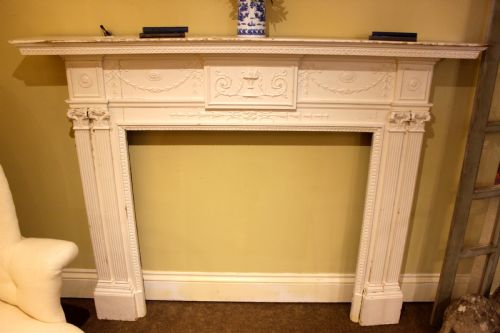


19th Century Fire Surround
A 19th century fire surround anchors a room with period proportion and architectural weight, offering a focal point that modern interiors simply lack.
19th Century Fire Surround
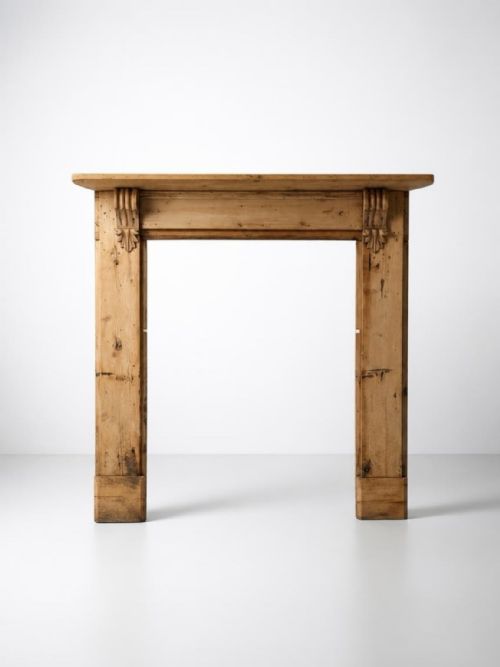
A 19th century fire surround encompasses both architectural mantelpieces and the hearth furniture that frames them. Buyers searching this phrase meet pine, oak, walnut, and cast iron structures alongside brass, steel, and leather hearth fenders.
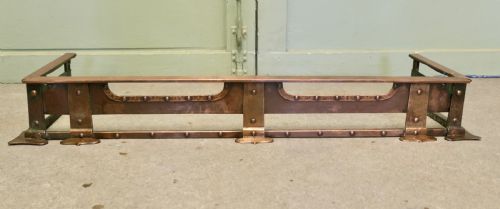
The architectural examples span simple painted pine and substantial carved walnut to elaborate neoclassical designs. Hearth surrounds and club fenders provide lower metal boundaries, frequently incorporating upholstered seats in leather or oak and mahogany tops.
Victorian and Regency periods dominate the selection, bringing styles from French Rococo and Arts and Crafts to Adam revival. Surviving pieces show the shift from classical symmetry to heavier Victorian ornamentation and later minimalist lines.
Quality and Execution
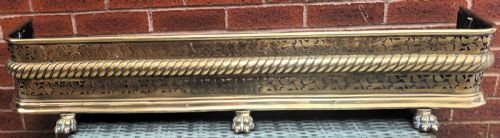
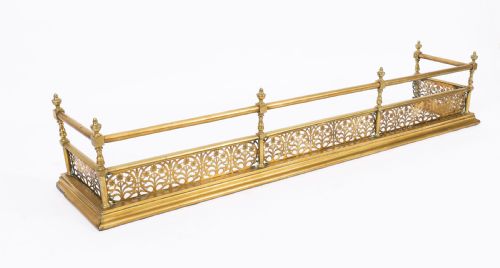
Quality rests on the depth and crispness of the hand carving in wood and the gauge of metal used in fenders. Finer metalwork displays careful polishing, detailed flower or garland motifs, and solid bronze or brass construction rather than plated alternatives.
Structural integrity dictates the value of architectural surrounds, where original surface treatments like period paint or unblemished timber patination elevate the piece. Maker attribution and documented provenance, such as institutional or estate origins, separate standard production from exceptional examples.
Listings feature oak, pine, pitch pine, and elm timbers alongside brass, steel, iron, and bronze metalwork across the Victorian and Regency periods.
George Bullock·Thomas Elsley·Liberty London·William Kent
The 19th Century Fire Surround Glossary
- Club fender
- A low metal hearth surround featuring upholstered corner seats at fireside height. These sturdy frames were developed to bring people closer to the warmth.
- Gesso
- A plaster-based mixture applied to wood surfaces and carved or moulded into decorative relief details. This ground layer provided a smooth base for gilding or paint.
- Ormolu
- Finely ground high-carat gold mercury-gilded onto a bronze base metal. The technique creates a rich golden finish seen on decorative mounts and French fireplace accessories.
- Fretwork
- Ornamental design created by cutting patterns through thin boards of wood using a saw. This technique appeared on mantel friezes and columns.
- Chenet
- A traditional French firedog designed to support logs within the hearth while offering an ornamental frontpiece. They frequently accompanied matching fenders in formal salons.
19th Century Fire Surround: Frequently Asked Questions
How do I choose the right size?
Measure the height and width of your chimney opening along with the available wall space before browsing. Hearth fenders require careful floor measurements to ensure they clear the hearthstone and fit the room proportions.
Account for the protruding depth of club fenders, particularly those with upholstered seats that extend into the room. Architectural surrounds need adequate clearance from doors, windows, and adjacent furniture.
Were these painted originally?
Many pine surrounds received coats of paint or faux finishes to resemble marble or expensive hardwoods during the period. White, grey, and dark pigments protected the soft timber while suiting prevailing interior decoration.
Surviving examples often retain historic paint layers that show craquelure and wear. Removing these finishes exposes the bare pine underneath, though many collectors prefer preserving the original surface patination.
How do I care for brass fenders?
Polished brass and steel require gentle cleaning to maintain their finish without stripping historic character. Dust regularly with a soft cloth and apply specialist metal polish sparingly if necessary.
Avoid abrasive pads that scratch soft brass surfaces or remove patination built up over decades. Lacquered pieces need only a damp cloth, as harsh cleaners break down the protective coating.
Can I use a club fender for seating?
Club fenders with leather or wood tops were built specifically for seating near the hearth. The internal frame utilises heavy steel or brass gauge construction to support weight safely.
Check the upholstery attachment and frame stability before regular use. Antique leather seats benefit from specialised wax conditioning to keep the hide supple.