
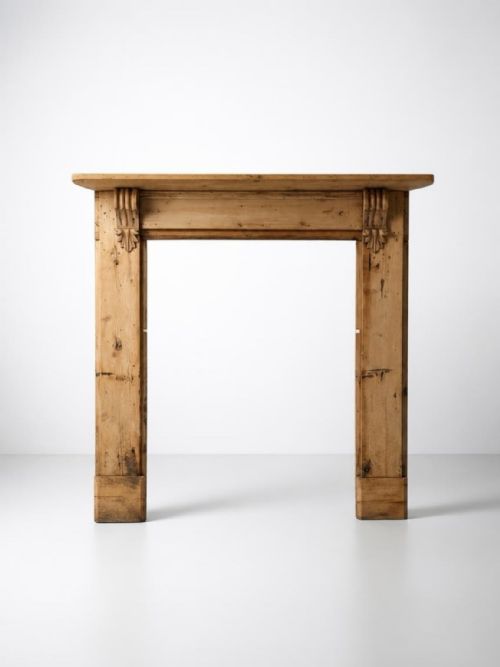
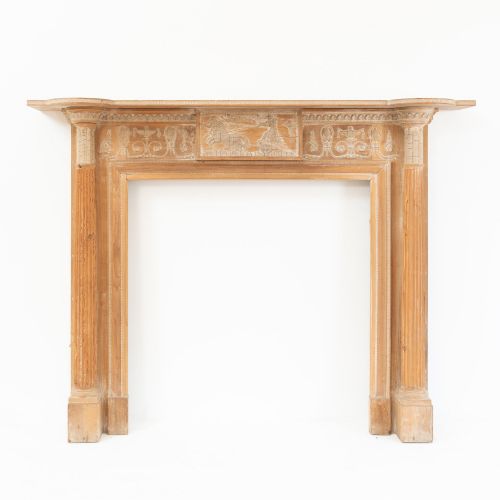
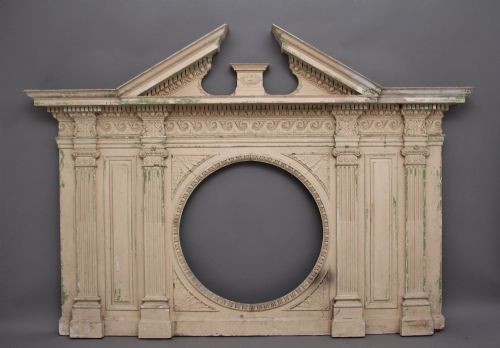
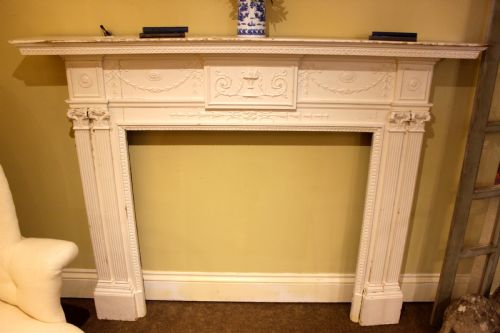
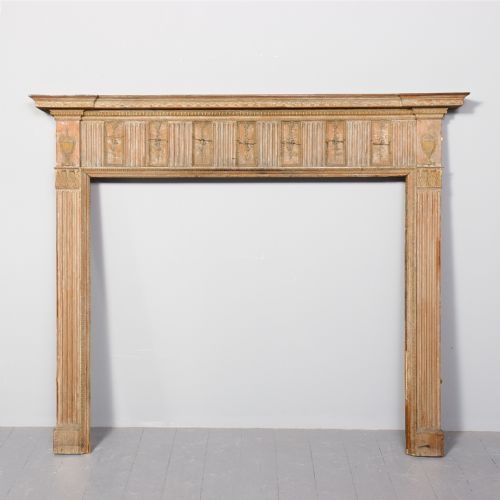
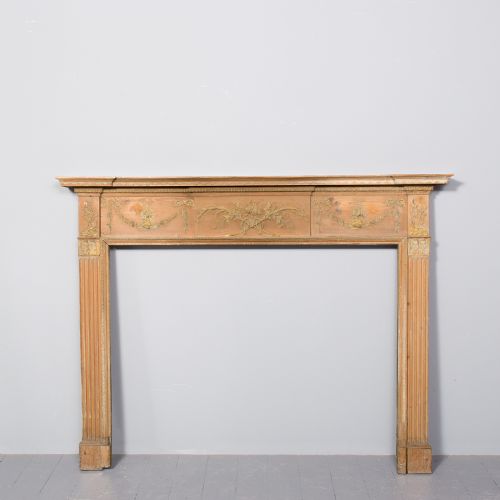
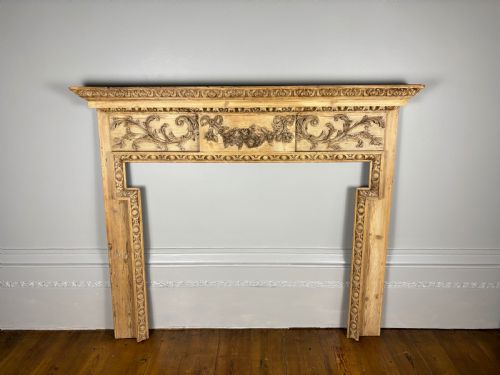


Pine Fireplace Surround
A pine fireplace surround anchors a room with timber character, offering a practical architectural focal point that brings warmth and period presence.
Pine Fireplace Surround
A pine fireplace surround provides a classic architectural frame for domestic hearths, appearing in various period iterations across residential interiors. When exploring a pine fireplace surround, buyers encounter robust timber constructions designed to frame open fires or grates.
The evidence shows examples spanning from the Georgian era through to the Victorian period, reflecting evolving domestic tastes in mantelpiece design. These pieces take the form of fireplace surrounds, fire surrounds, and mantelpieces.
Victorian and 19th-century interpretations appear frequently alongside earlier George III forms, demonstrating the enduring popularity of softwood in domestic architecture. Each piece offers a distinct structural outline shaped by the design conventions of its respective period.
Materials and construction
Carpenters constructed these architectural surrounds using pine, pitch pine, and gesso, combining structural softwood timbers with applied decorative plaster elements. Pitch pine offered a dense, resinous grain suitable for robust framing, while standard pine provided a versatile surface for carving.
Craftsmen applied carved gesso ornamentation to timber substrates to create crisp neoclassical or Victorian detailing without relying entirely on deep wood carving. Joinery techniques varied according to the period, uniting solid timber boards into cohesive mantelpieces and surrounds.
Pine Fireplace Surround Retail Price Guide 2026
Typical asking prices for pine fireplace surround among the pieces listed under this phrase on Sellingantiques today, from the lower quarter to the upper quarter. They describe what is for sale here now, not the wider market.
Edinburgh makes a notable geographic appearance in the archive, anchoring a grand George III mantelpiece firmly to Scottish craftsmanship.
Assessing quality and craftsmanship
Quality in these architectural pieces rests upon the depth and crispness of the carved ornamentation, particularly where gesso enrichment meets the timber substrate. Sharply articulated mouldings and balanced proportions distinguish finer examples from simpler vernacular iterations.
The choice of timber grain, such as the distinct figuring found in pitch pine, contributes significantly to the visual weight and presence of the surround. Intact decorative schemes and well-preserved timber surfaces elevate an example above heavily altered pieces.
The Pine Fireplace Surround Glossary
- Pine
- A softwood timber derived from coniferous trees, valued by historical carpenters for its workability and availability in large architectural dimensions.
- Pitch pine
- A durable, resinous variety of pine known for its prominent grain patterns and structural strength.
- Gesso
- A plaster-like material composed of a binder mixed with chalk or gypsum, applied to timber and moulded into decorative reliefs.
- Mantelpiece
- An architectural frame of wood or stone installed around a fireplace opening, incorporating a shelf projecting above the hearth.
- Surround
- The complete assembly of jambs and lintel enclosing a fireplace opening.
Pine Fireplace Surround: Frequently Asked Questions
How do I date a pine fireplace surround?
Dating relies on stylistic clues such as the presence of carved gesso or the specific proportion of the mantel shelf. Georgian examples often display classical symmetry, whereas Victorian pieces tend towards heavier timber mouldings.
Examining the construction joints and timber types further helps place the surround within its historical period, distinguishing earlier George III work from later nineteenth-century production.
What is pitch pine?
Pitch pine is a dense, highly resinous softwood that historical builders selected for its strength and striking grain pattern. It yields a rich surface appearance when polished or finished.
This material withstands structural demands well, making it a robust choice for architectural surrounds subjected to domestic wear.
Can I paint a pine fireplace surround?
Many historical pine surrounds were originally painted or finished to complement interior decorative schemes of their day. Applying modern finishes depends on whether the timber surface retains historic paint layers or raw wood.
Assessing the current surface helps determine the appropriate conservation approach for maintaining the character of the timber.
How were gesso details applied?
Gesso was built up in layers upon the pine substrate and then carved or stamped with moulds to create crisp decorative motifs. This technique allowed makers to achieve intricate neoclassical or Victorian ornament efficiently.
The resulting ornamentation adheres directly to the wood foundation, requiring careful handling to prevent loss or cracking over time.