



18th Century Mantelpiece
An 18th century mantelpiece anchors a room with period proportion, built from carved pine or stone during the Georgian era.
18th Century Mantelpiece
An 18th century mantelpiece provides the architectural focal point for a period interior, bringing substantial presence to a chimney breast. When searching for an 18th century mantelpiece, a buyer encounters substantial fireplace surrounds constructed from materials typical of the Georgian era.
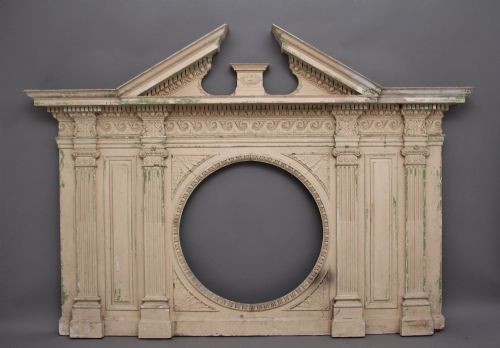
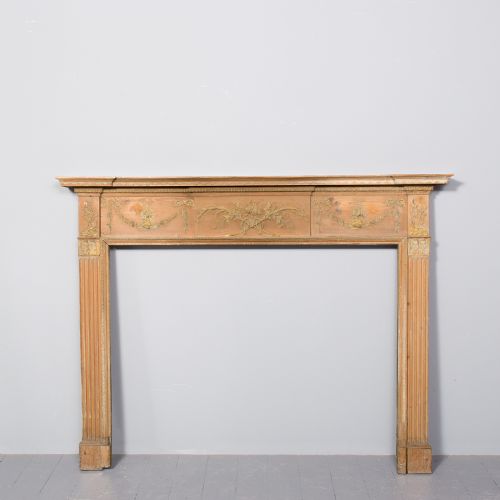
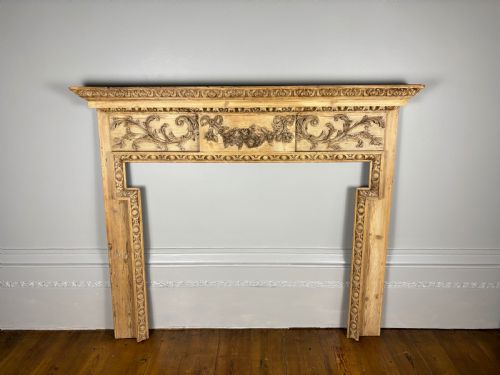
The selections available span pine and stone constructions, often enriched with carved gesso details or classical motifs. These architectural elements reflect the Georgian, George I, and George III periods, maintaining the domestic scale and proportion of eighteenth-century rooms.
Materials and Construction
Makers of the period utilised native timbers such as pine and mahogany alongside structural stone to build heavy fireplace surrounds and architectural fittings. Pine surfaces often received coats of paint or layers of carved gesso to build up relief ornamentation.
Carving technique dictated the architectural depth of the piece, utilising chisels to render classical moulding and frieze details. Gesso was applied directly to wood substrates to form crisp, mouldable decorative surfaces before gilding or painting.
Early makers occasionally incorporated classical friezes depicting allegorical figures to warm up the cold stone of the hearth.
Assessing Quality and Execution
The hierarchy of quality rests on the crispness of the hand-carved detail and the integrity of the underlying timber or stone. Finer examples display deep relief work in the carved gesso and precise execution of classical architectural proportions.
Surface preservation marks the distinction between ordinary and superior pieces, particularly where original paint or gesso layers survive intact. The depth of the architectural moulding and the balance of the classical design elements determine the visual authority of the surround.
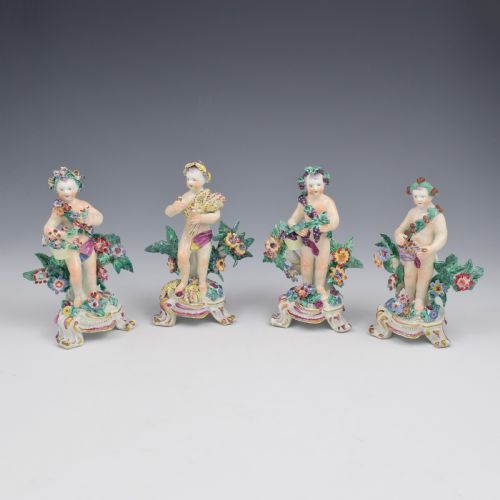
Royal Capodimonte Factory·Perigal of London·Bow Porcelain
The 18th Century Mantelpiece Glossary
- Gesso
- A plaster-like material applied to wood surfaces and sculpted or moulded into decorative relief before painting or gilding. It provides a smooth ground for intricate ornamentation.
- Overmantel
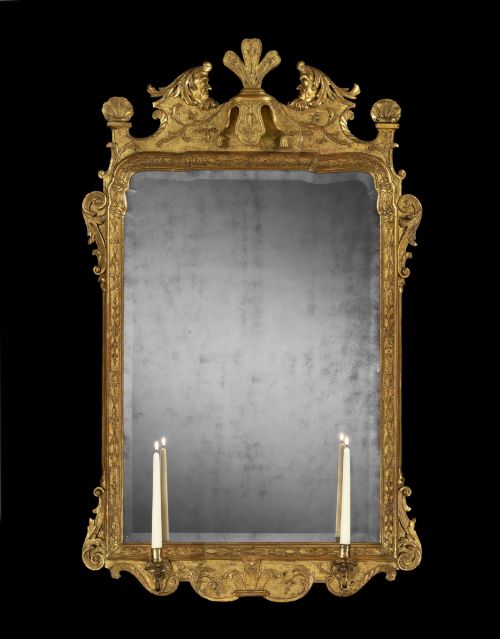
- A large decorative mirror or panel designed to hang directly above a fireplace mantelpiece. These pieces visually extend the vertical space of the hearth.
- Neoclassical
- A style prevalent in the late eighteenth century drawing inspiration from classical antiquity. It introduces symmetry, urn motifs, and restrained architectural lines.
- Georgian
- The architectural and design style spanning the reigns of the first four Georges. It encompasses symmetrical layouts and classical proportions.
- Frieze
- The central horizontal band of a fireplace surround, often decorated with carved ornamentation. It sits directly beneath the mantel shelf.
18th Century Mantelpiece: Frequently Asked Questions
How do I install an antique surround?
Installation requires professional placement against a secure wall structure, ensuring the weight of the pine or stone is safely supported.
Builders must align the interior opening with modern fireplace dimensions while protecting the historic surface finishes from heat and soot.
Can I paint an antique pine mantelpiece?
Applying modern paint over historic pine or painted surfaces removes the accumulated patina built up over centuries of domestic life.
Conservators recommend preserving existing paint layers rather than stripping them down to bare wood.
What rooms suit an 18th century mantelpiece?
These architectural surrounds suit high-ceilinged reception rooms and libraries where period proportions complement the scale of the hearth.
Placing them in period properties maintains the historical integrity of the interior architecture.
How do I clean carved gesso?
Dusting with a soft, dry brush prevents the accumulation of dirt within the delicate crevices of the carved gesso relief.
Moisture and commercial cleaning agents damage the brittle gesso layer and should be avoided entirely.