
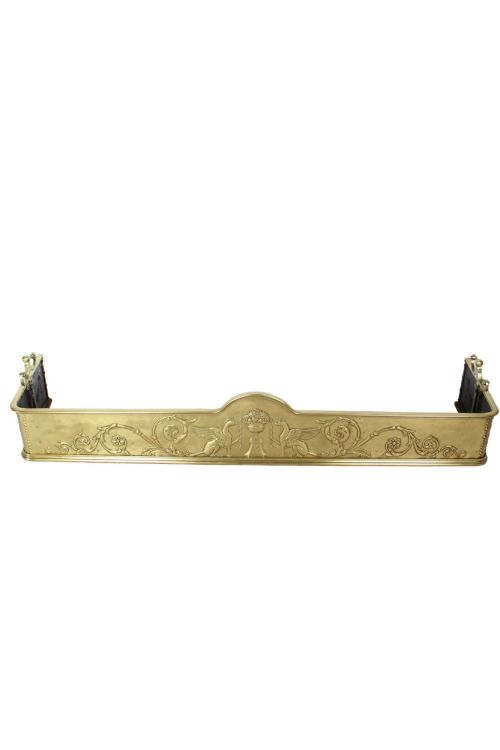
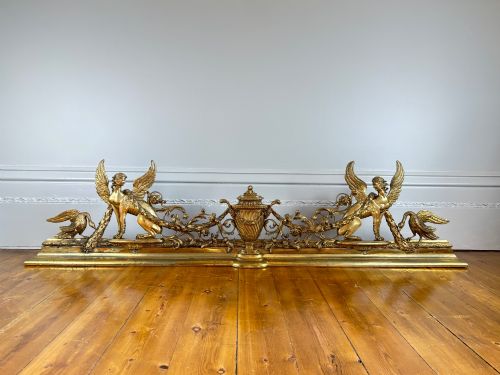

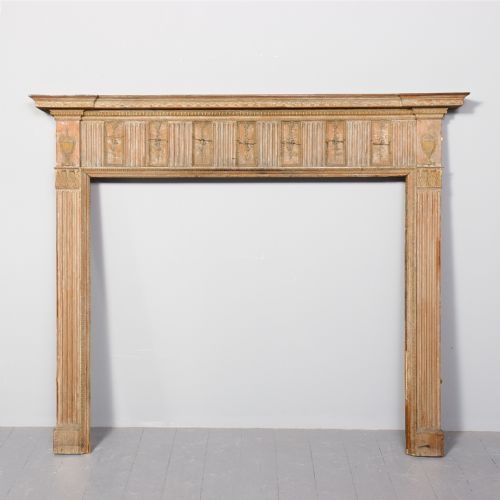
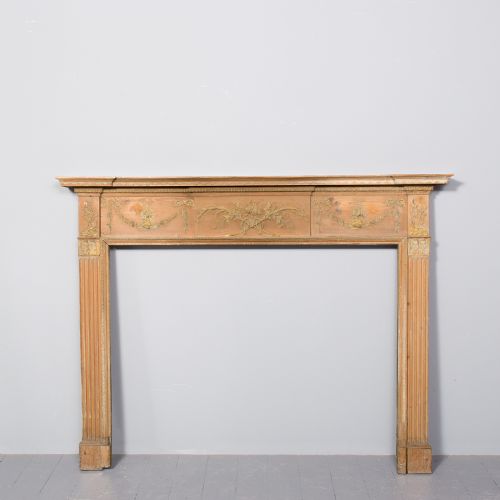
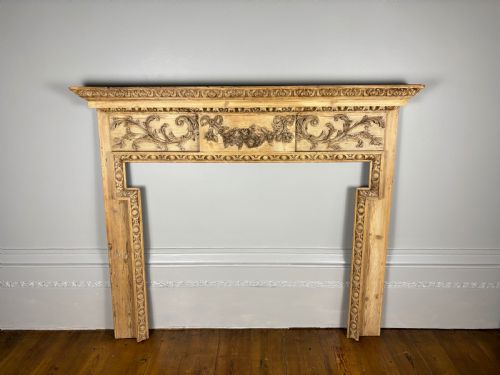


Neoclassical Fire Surround
A neoclassical fire surround brings balanced proportions and architectural detail to a room, offering a focal point grounded in classical design.
Neoclassical Fire Surround
A neoclassical fire surround centres on classical restraint, symmetry, and architectural motifs derived from antiquity. When you search for a neoclassical fire surround, you encounter architectural pieces that define a room's character.
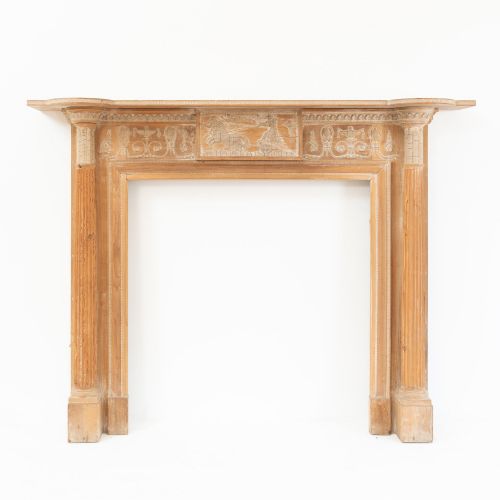
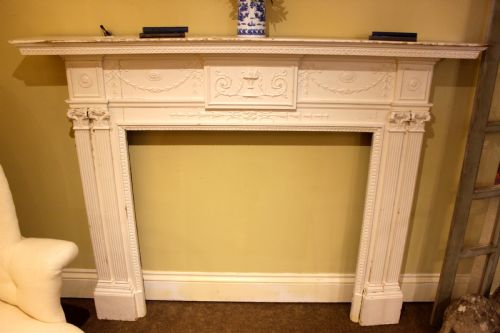
The versions met on this page span the eighteenth and nineteenth centuries, demonstrating the enduring appeal of the style across different eras. These examples include painted pine and solid stone constructions.
Surrounds take the form of fire surrounds and fireplace surrounds, framing the hearth with formal architectural structure. Each piece reflects the decorative priorities of its period without unnecessary embellishment.
Materials and construction
Makers utilised pine and stone to build these architectural surrounds, selecting materials based on the intended finish and setting. Pine allowed for detailed mouldings and surface painting, while stone provided a heavy, durable frame.
Paint finishes applied to pine surfaces altered the visual weight of the wood, often imitating finer materials or providing a clean, uniform colour. Stone surrounds relied on the natural texture and tone of the material itself.
Current listings include pieces from both the 18th century and the 19th century.
Assessing quality and execution
Quality rests in the crispness of the architectural carving and the appropriateness of the proportions to the scale of the surround. The transition from eighteenth-century stonework to nineteenth-century painted pine shows shifts in material availability and workshop practices.
The integrity of the material and the preservation of original paint or stone surfaces determine the character of each piece. Superior examples maintain their structural coherence and the sharp lines defining their classical derivation.
The Neoclassical Fire Surround Glossary
- Neoclassical
- A style inspired by the classical art and architecture of ancient Greece and Rome. It prioritises symmetry, straight lines, and classical orders.
- Pine
- A softwood commonly used for architectural woodwork and furniture. It accepts paint finishes readily and was frequently utilised for eighteenth and nineteenth-century surrounds.
- Mantlepiece
- The shelf projecting above a fireplace opening. It forms the upper horizontal member of a complete fire surround.
- Stone
- A hard, solid non-metallic mineral matter used for durable construction. Stone fire surrounds offer heavy structural presence and natural texture.
Neoclassical Fire Surround: Frequently Asked Questions
What periods do these fire surrounds come from?
The pieces recorded here originate from the eighteenth and nineteenth centuries.
This range encompasses Georgian and later nineteenth-century interpretations of classical design.
What materials are used in these surrounds?
Surrounds are constructed from pine, which is often painted, or solid stone.
These materials determine the weight, finish, and architectural presence of each fireplace frame.
How do I choose the right size?
Measure the height and width of your hearth opening and the surrounding wall space.
Proportions should align with the scale of the room and the dimensions of the fireplace insert.
Are these surrounds painted?
Some pine examples feature historic paint finishes that alter the surface appearance.
Paint protects the wood and contributes to the decorative scheme of the period.