
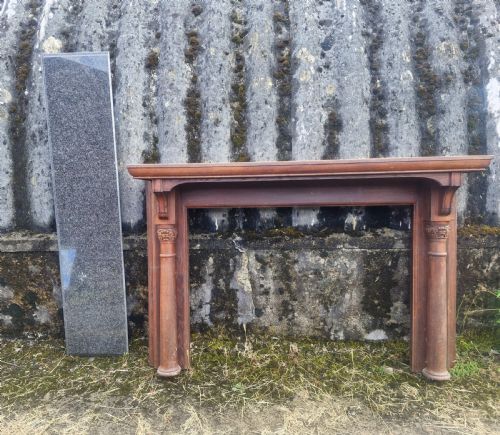
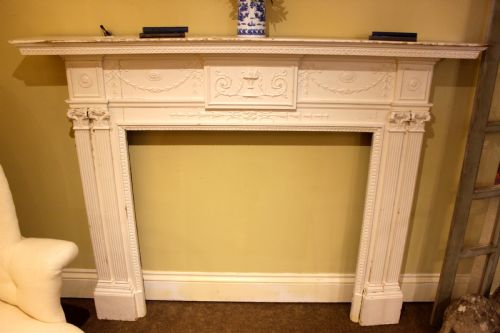
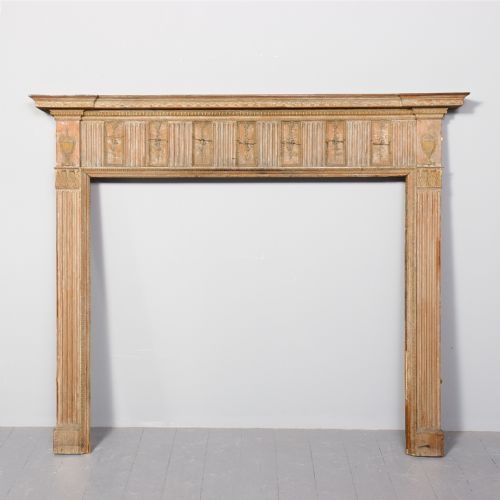
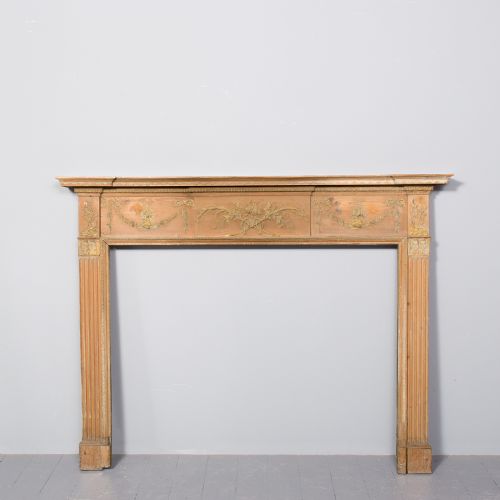
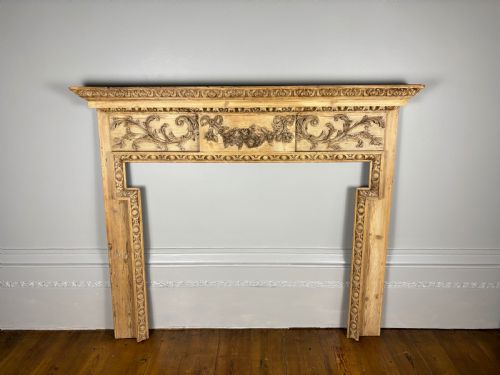


Carved Mantelpiece Surround
A carved mantelpiece surround frames the hearth, anchoring the room with architectural weight and period detail.
Carved Mantelpiece Surround
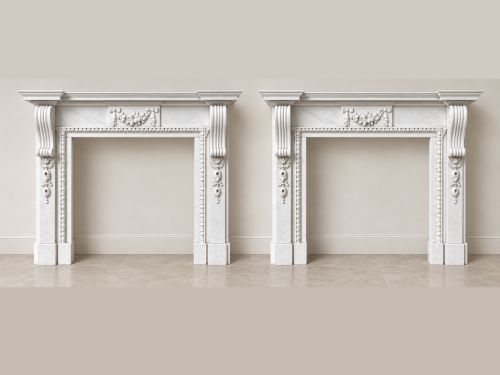
A carved mantelpiece surround forms the decorative framework around a fireplace opening, drawing the eye as the focal point of a room. When you search for a carved mantelpiece surround, you encounter architectural timber and stone assemblies spanning several centuries of domestic design.
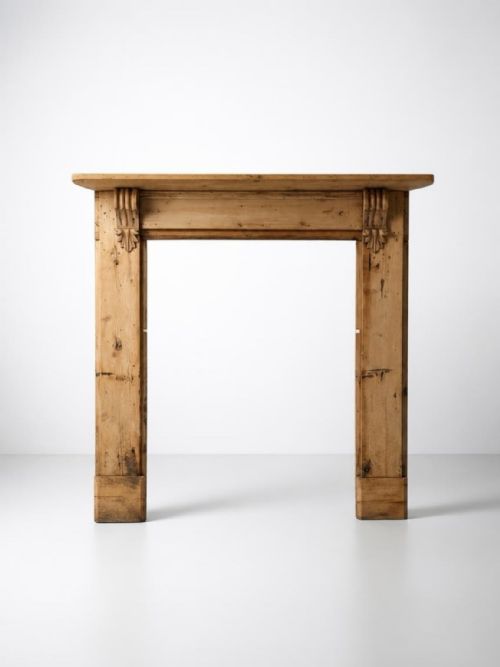
The selections here range from Georgian pine and gesso models to heavy Victorian marble and Edwardian oak versions. You will frequently meet pine and white marble examples alongside occasional slate, oak, and elm pieces.
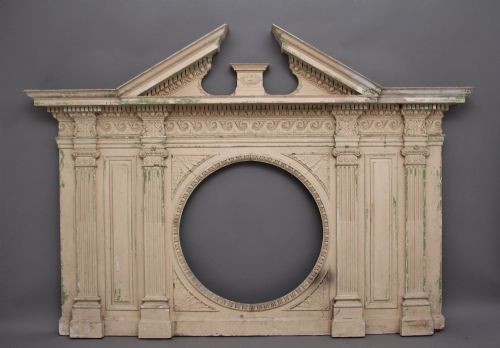
Forms extend from standard domestic fire surrounds to large overmantels, chimney pieces, and architectural models. These pieces establish the historical character of a reception room or study.
How they were made
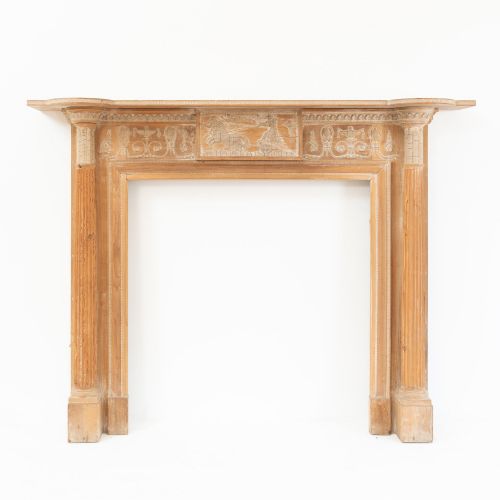
Carpenters and carvers shaped these pieces primarily from timber such as pine, pitch pine, oak, mahogany, and elm. Workshops applied gesso layers to pine frames to build up crisp decorative relief ornament before painting or gilding.
Masons cut and polished heavier materials including white marble, breche violet marble, granite, Welsh slate, and stone. Detailed hand-carving defined the mouldings, friezes, fretwork columns, and armorial details across both wood and stone.
Someone once carved an entire Victorian fireplace surround into a miniature Welsh slate model, proving grand architecture fits in miniature.
What varies in quality
Depth and crispness of the hand-carved detail separate standard joinery from superior examples. The sharpness of gesso enrichment over pine or the selection of figured marble grades dictates the visual impact.
Proportion and architectural balance define the upper tier of pieces. Integrated overmantel mirrors, fretwork columns, and intact original painted or gilded surfaces elevate the significance of a mantelpiece.
Sir Edwin Lutyens
The Carved Mantelpiece Surround Glossary
- Gesso
- A plaster-like mixture applied to wood surfaces and carved or moulded into relief ornament. This material allowed makers to achieve intricate decorative detail before applying paint or gilding.
- Overmantel
- A decorative structure, often incorporating a mirror, designed to sit directly above the mantelpiece shelf. It unifies the fireplace surround with the wall space above.
- Chimneypiece
- A comprehensive term for the complete decorative framework surrounding a fireplace, including the jambs, mantel, and often an overmantel. It describes grand architectural surrounds.
- Breche Violet
- A type of decorative marble featuring rich purple and violet veining against lighter tones. It was utilised in high-status fireplace surrounds for dramatic colour.
- Statuary marble
- A fine-grained, pure white marble prized for classical sculpture and formal fireplace surrounds. Its uniform ground allows for crisp, clean carving lines.
Carved Mantelpiece Surround: Frequently Asked Questions
How do I choose the right size?
Measure your fireplace opening width and height carefully before selecting a surround. Consider the proportions of your room to ensure the mantel shelf and jambs do not overwhelm the hearth.
Take note of the projection from the wall and the clearance required for your specific heating insert or stove. Proper scale ensures the architectural frame sits comfortably within the interior space.
Are these surrounds suitable for modern fires?
Many historic surrounds accommodate contemporary gas or electric fire inserts with appropriate clearance. Stone and marble versions offer robust heat resistance for various hearth setups.
Timber surrounds require careful insulation and adherence to safety regulations regarding distance from open flames. Consult a specialist fitter to assess clearances for your specific installation.
How do I clean a painted pine surround?
Dust the surfaces regularly with a soft, dry cloth to prevent grime accumulation in the carved recesses. Avoid harsh chemical cleaners that might lift historic painted or gesso finishes.
Test any mild cleaning solution on a hidden area first if washing is necessary. Preserving the integrity of the original surface patina remains paramount.
How do I identify a Georgian mantelpiece?
Look for classical architectural motifs such as dentil moulding, egg-and-dart carving, and symmetrical friezes. Pine and gesso combinations were typical during the eighteenth century for detailed interior woodwork.
Proportions tended to be balanced and restrained, reflecting Palladian design principles. Construction methods and timber characteristics further support the period attribution.