


Antique Chimneypiece Surround
An antique chimneypiece surround anchors a room with period character, offering carved marble, pine, oak, and stone framing for a hearth.
Antique Chimneypiece Surround
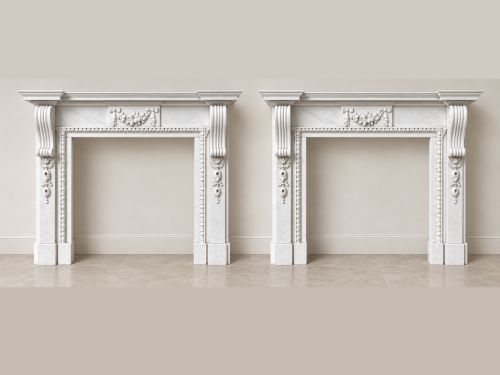
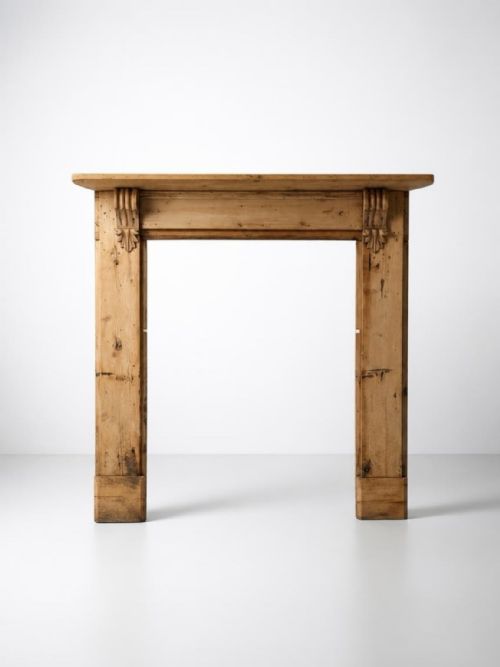
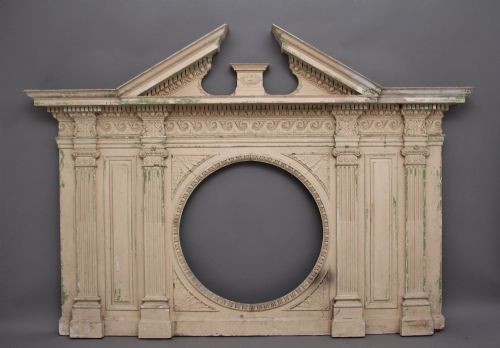
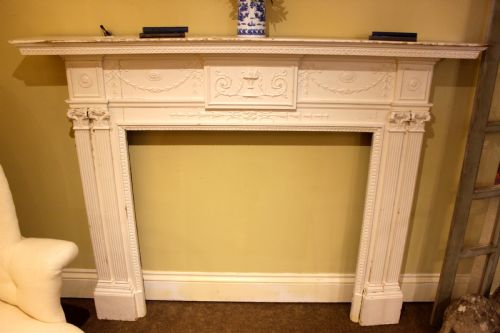
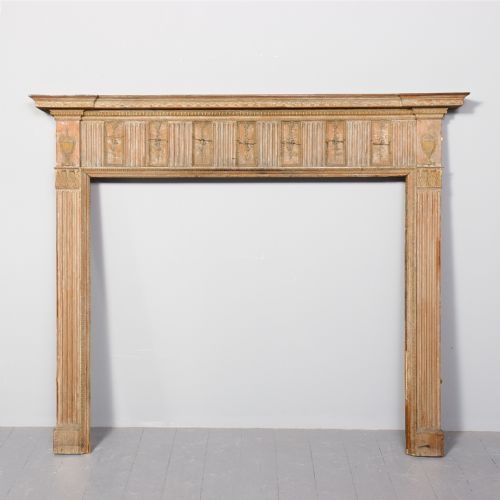
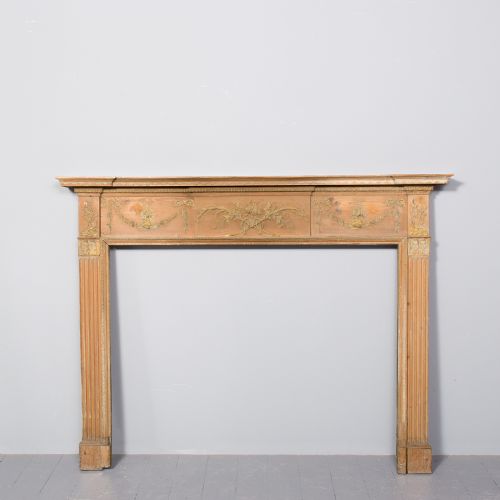
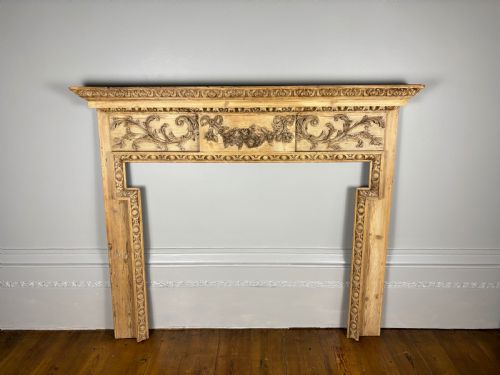
An antique chimneypiece surround provides architectural framing for a fireplace, appearing on this page in forms ranging from simple pine mantels to grand marble pieces. Buyers searching this phrase encounter fire surrounds, overmantels, and architectural wall mirrors designed to dominate a room.
The selection spans periods from the eighteenth century through the Victorian and Edwardian eras, reflecting shifts in domestic interior design. Georgian and George III examples display classical restraint, while Victorian and Edwardian pieces bring heavier carving or neoclassical revival details.
How they were made
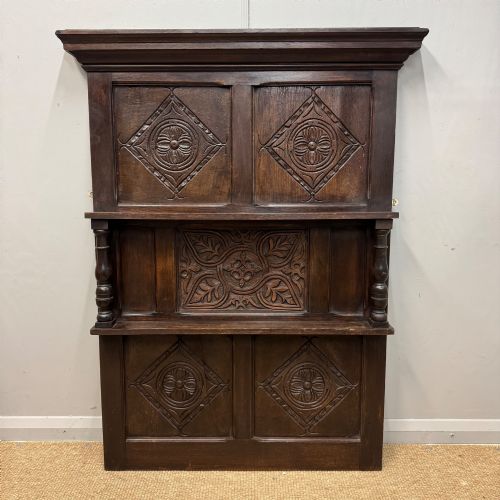
Materials dictate the construction of these surrounds, utilising hardwoods like oak and mahogany alongside softer timbers such as pine and pitch pine. Painted finishes, gesso details, and applied plaster enrich timber mouldings, while substantial examples employ white marble, statuary marble, breche violet marble, Welsh slate, and carved stone.
Joinery techniques and hand-carving define the fabrication, from eighteenth-century architectural joinery to nineteenth-century revival ornamentation. Master craftsmen shaped marble and stone through chiselling and polishing, while timber surrounds received hand-carved gesso enrichments and multi-layered painted surfaces.
Listings feature timber, marble, stone, and slate materials spanning Georgian, Victorian, and Edwardian periods.
What varies in quality
The depth and crispness of the hand-carved detail separate standard architectural timber surrounds from exceptional sculptural works. Marbles and stones display varying degrees of natural figuring and polish, with select blocks showing superior mineral veining.
Proportion and architectural integrity dictate the standing of a piece, where balanced classical proportions and intact original gesso or paint surfaces elevate the execution.
Sir Edwin Lutyens
The Antique Chimneypiece Surround Glossary
- Overmantel
- A decorative panel, mirror, or painting fitted directly above the mantelpiece. It visually links the fireplace to the wall space above.
- Gesso
- A plaster-like material applied to wood surfaces and carved or moulded into intricate decorative reliefs. It provides a smooth base for gilding or paint.
- Trumeau
- An architectural wall mirror or panel containing a painted or carved scene above the glass. Originating in French interiors, it frequently incorporates neoclassical motifs.
- Statuary marble
- A fine-grained white marble quarried in Italy, prized for classical statuary and high-status fireplace surrounds. Its uniform ground allows for sharp, precise carving.
Antique Chimneypiece Surround: Frequently Asked Questions
How do I choose the right size?
Measure the height and width of your existing hearth opening and surrounding wall space before selecting an antique chimneypiece surround. Proportions must align with both the room scale and the firebox aperture.
Consider the projection of the mantel shelf into the room and ensure adequate clearance from the heat source for combustible timbers.
Can I paint a pine surround?
Many historical pine surrounds were originally painted, and subsequent coats can be applied or stripped depending on the desired finish. Layered painted pine is a documented period treatment seen in eighteenth and nineteenth-century examples.
Assess the existing surface treatment to determine whether stripping back to bare wood or preparing the current paint layer is appropriate.
How do I clean marble surrounds?
Maintain marble and slate surfaces using soft, dry cloths to remove dust without scratching the polished stone. Avoid acidic cleaning products that etch marble.
Consult a specialist conservator for deeper cleaning or stain removal on antique white statuary or breche violet marble.
What defines a Georgian style?
Georgian chimneypiece surrounds draw upon classical architectural orders, featuring symmetrical lines, friezes, and restrained ornamentation. Motifs often include dentil moulding, urns, and patera.
Later George III and neoclassical interpretations introduce lighter, more delicate relief carving executed in pine, gesso, or marble.