





Edwardian Fireplace Surround
An edwardian fireplace surround brings period proportion and hearthside presence to a room, framing a fire with timber or stone.
Edwardian Fireplace Surround
An edwardian fireplace surround provides the architectural framework for a hearth, uniting mantel and jambs in a single composition. The selections on this page encompass timber surrounds alongside related hearth furniture such as club fenders and fire surrounds from the nineteenth and early twentieth centuries.
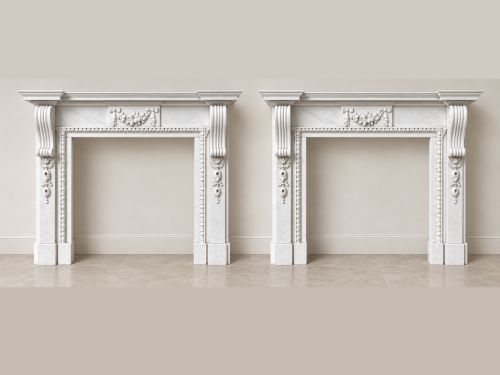
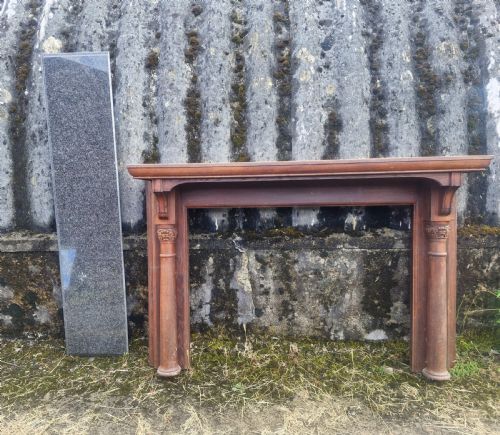
The surviving pieces include carved white marble mantels alongside oak examples fitted with granite tops. These designs draw upon Edwardian Neoclassical taste and English country house aesthetics, offering both grand architectural chimneypieces and smaller domestic formats.
Materials and Construction
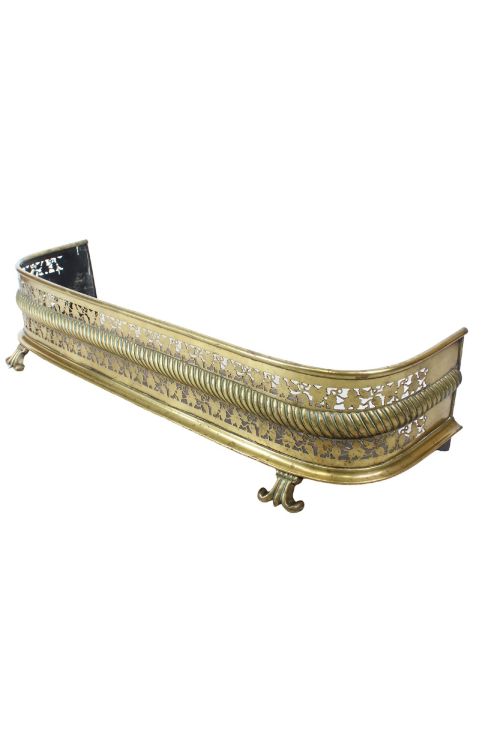
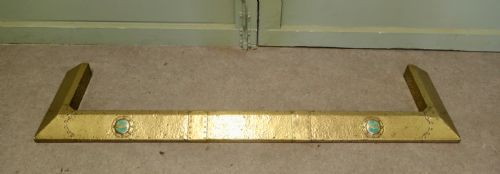
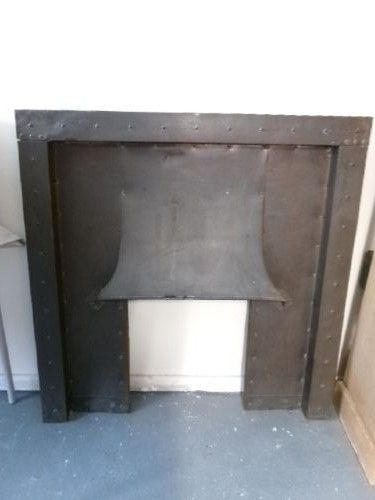
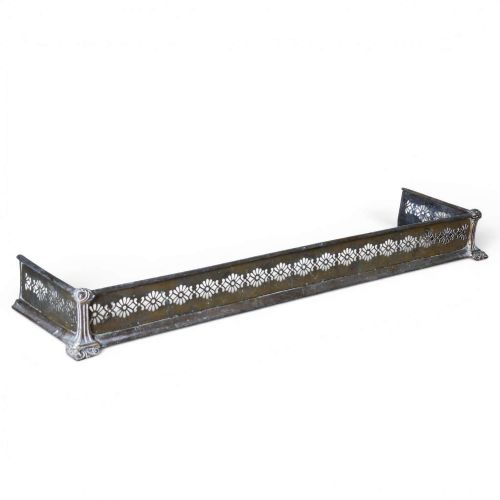
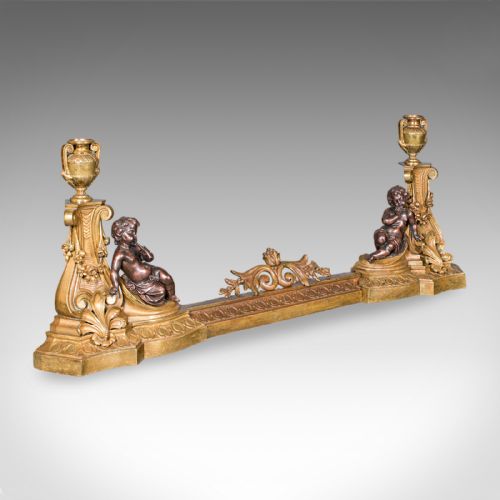
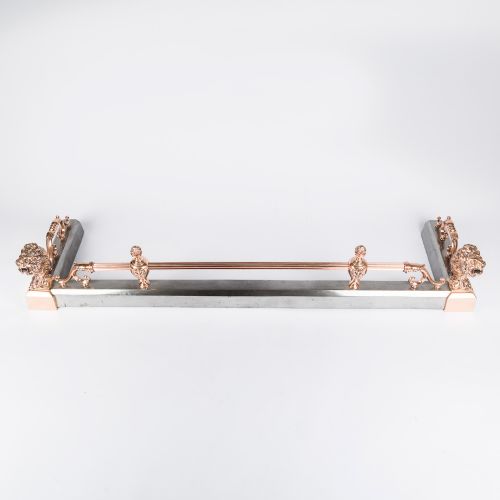
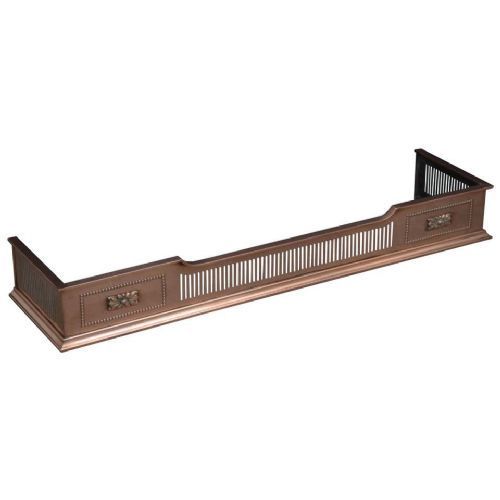
Makers utilised carved white marble and solid oak for structural surrounds, often pairing timber frames with stone inserts like granite. Metalwork elements in brass, copper, steel and iron appear extensively across fenders and fire fronts, shaped through casting, piercing and beating.
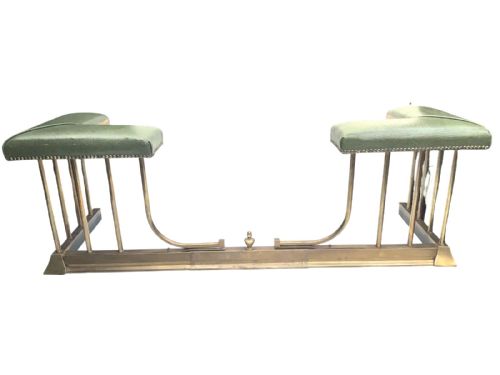
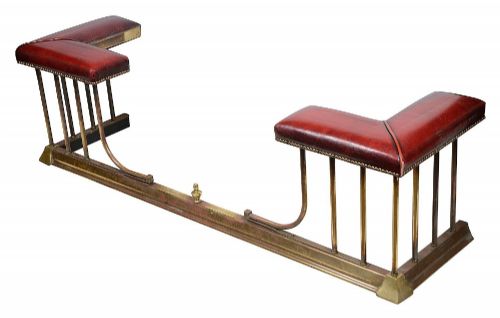
Upholstered elements incorporate leather and fabric, particularly on club fenders featuring Chesterfield seats. Decorative detailing relies on carved ornament, flower patera, beaded decoration and enamel cabochons rather than applied veneers.
Listings combine Edwardian architectural timber surrounds with Victorian brass club fenders, beaten copper fire hoods and marble chimneypieces.
Judging Quality and Execution
Quality rests in the crispness of the carving across marble and oak, where deep undercut detail distinguishes superior architectural work from routine production. Weight and gauge of metals matter immensely; solid brass and heavy steel sections hold their form and polish far better than thin pressings.
Integrity of assembly defines the better pieces, whether in the tight joinery of a timber surround or the robust internal framing of a leather-topped club fender. Surfaces bearing natural patination and honest wear display greater visual depth than uniform modern refinishing.
Sir Edwin Lutyens·William Birch
The Edwardian Fireplace Surround Glossary
- Surround
- The decorative framework framing a fireplace opening, comprising a mantel shelf, jambs and a lintel. This architectural element anchors the proportions of the hearth wall.
- Club Fender
- A low, padded metal frame surrounding a hearth, providing integrated seating alongside the fire. These typically feature brass or steel framework with leather upholstery.
- Patera
- A circular ornamental bas-relief resembling a classical libation dish, frequently carved into wood or cast in brass. It decorates friezes and panels on period chimneypieces.
- Overmantel Mirror
- A large mirror designed to hang directly above a mantelpiece, often matching the scale and architectural style of the fireplace surround.
- Art Nouveau
- A decorative style characterised by organic lines, stylised plant motifs and beaten copper or brass work. This aesthetic flourished around the turn of the twentieth century.
Edwardian Fireplace Surround: Frequently Asked Questions
How do I measure for a surround?
Measure the opening height and width of your chimney breast carefully before selecting a surround. Ensure the internal dimensions clear your fire grate while the exterior proportions suit the wall space.
Account for hearth depth and any protruding mouldings that might interfere with surrounding skirtings or walls. Professional fitting often requires minor adjustments to the plasterwork.
Can I use a club fender with an open fire?
Club fenders were originally designed precisely for seating around active open fires, keeping users warm and protected. The raised metal frames keep furniture safely distanced from glowing embers.
Ensure any upholstered leather seating uses fire-retardant internal stuffing to meet modern safety standards. Regular cleaning prevents soot accumulation on the metal surfaces.
How do I clean brass and copper?
Dust metal components regularly with a soft cloth to prevent the buildup of grime and soot. Avoid harsh chemical cleaners that strip away desirable historical patination.
For polished brass, use a mild proprietary metal polish applied sparingly with a soft cloth. Unpolished beaten copper benefits from occasional gentle waxing to protect the surface.
How do I date an Edwardian surround?
Examine the timber species, fixings and decorative motifs to establish the period of manufacture. Edwardian pieces often favour lighter oak and restrained classical detailing compared to heavy Victorian designs.
Look for tool marks and construction methods hidden on the reverse or underside of the piece. Matching the style with contemporary architectural catalogues confirms the era.