


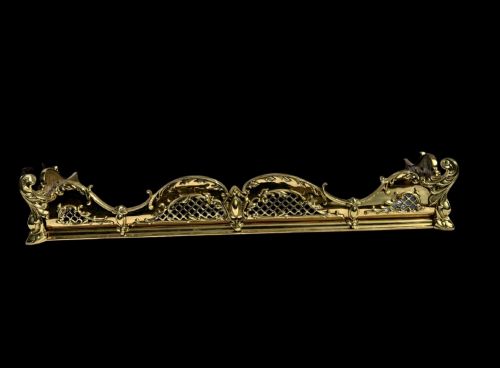
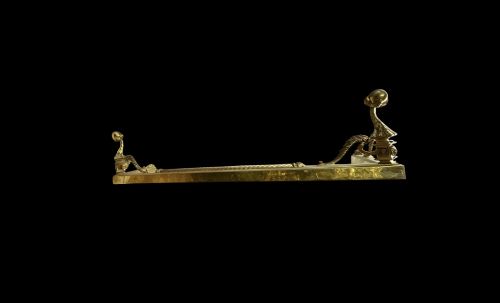
Vintage Fire Surround
A vintage fire surround anchors a room with period character, offering architectural presence and framing the hearth with traditional craftsmanship.
Vintage Fire Surround
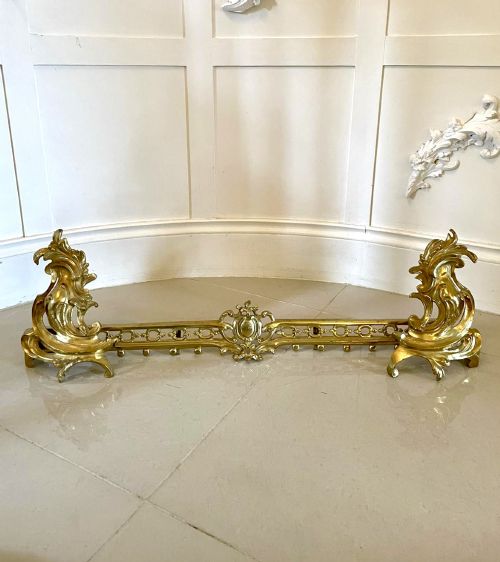
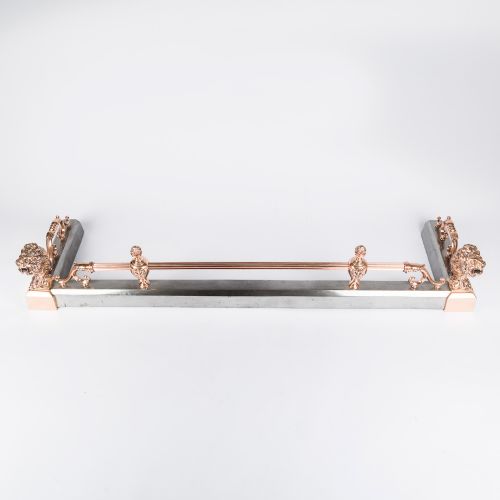
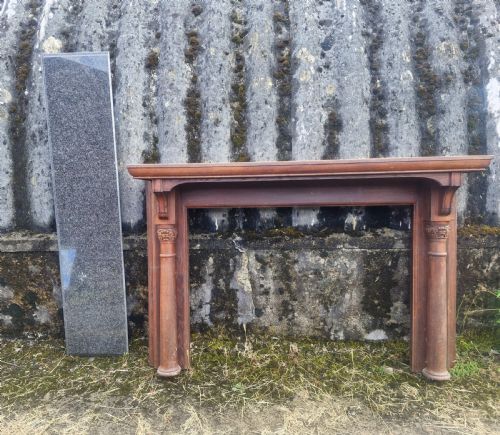
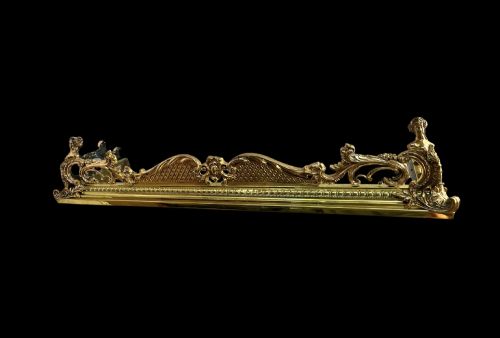
When you search for a vintage fire surround, you encounter architectural surrounds, hearth furniture, and protective fenders that date from the nineteenth and early twentieth centuries. These pieces originate across Victorian, Edwardian, and Art Deco periods, encompassing ornate French Louis styles as well as British Arts and Crafts designs.
How they were made
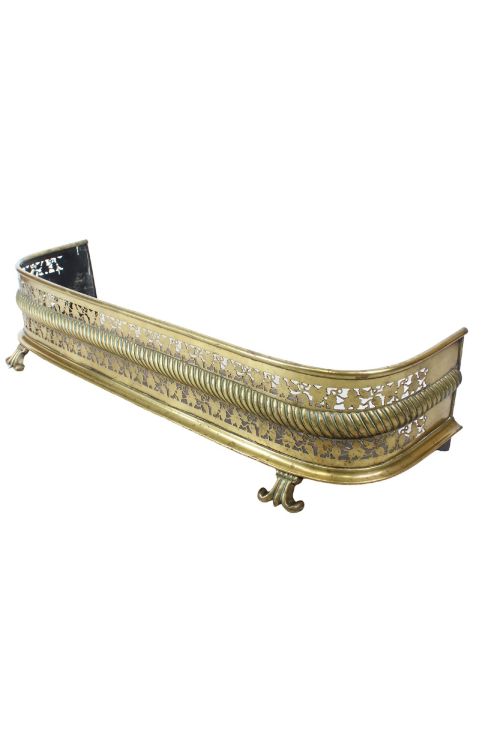
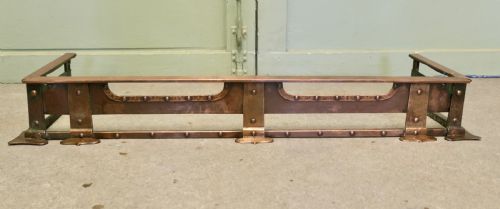
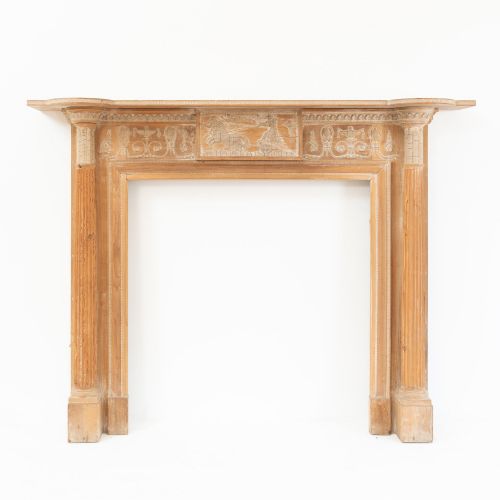
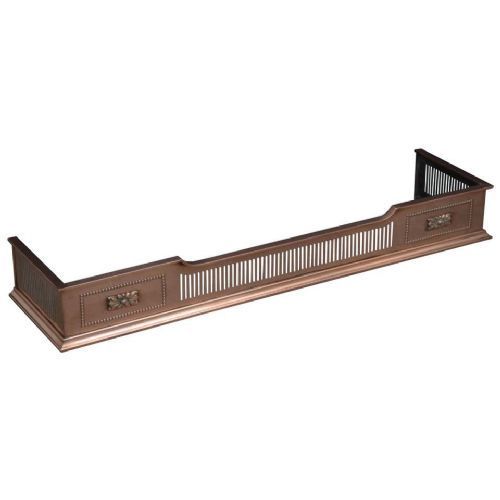
Makers utilised cast iron, polished brass, and beaten copper, shaping metal through piercing, riveting, and casting techniques. Wooden elements such as oak and pine received hand-carved detailing, occasionally topped with granite.
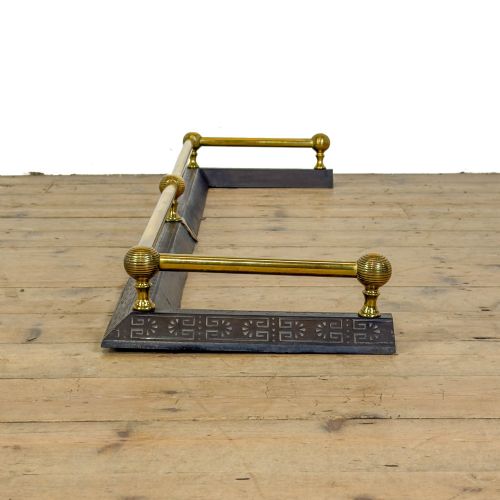
Many items incorporate secondary materials like leather upholstery for club fender seats and bronze or steel components for structural strength. Decorative motifs such as flower pateras and beaded decoration were applied directly to the metalwork.
Materials across the listings include brass, iron, copper, steel, leather, cast iron, oak, and bronze.
What varies in quality
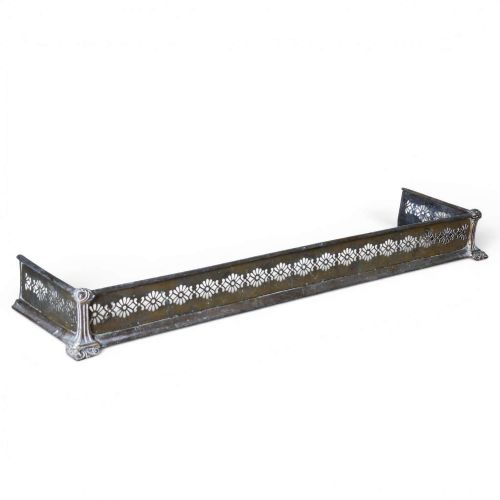
Quality rests on the depth of hand-finishing, from the crispness of pierced brass work and beaten copper to the substantial weight of cast iron and bronze components. Fenders that maintain original leather upholstery and fully functioning extending mechanisms demonstrate superior original manufacture.
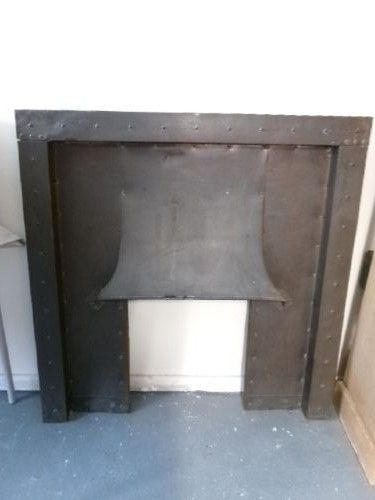
The distinction between standard production and finer pieces lies in decorative ambition, evidenced by ornate gilded surfaces, French styling, and integrated hoods or canopies rather than plain utilitarian rails.
The Vintage Fire Surround Glossary
- Club fender
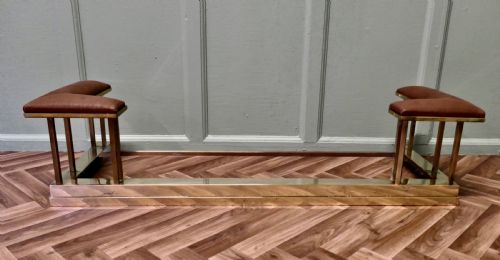
- A low hearth guard featuring upholstered corner seats on either side. These comfortable additions originated in country houses to allow warmth close to the fire.
- Kerb
- An alternative spelling of curb, referring to the metal barrier placed on the floor around a hearth. It serves to contain sparks and ash.
- Patera
- A circular decorative ornament resembling a classical libation dish. They appear carved or pressed into metalwork and woodwork.
- Pierced brass
- Metal sheet perforated with decorative patterns using a piercing saw or punch. This technique creates intricate light-catching grilles on fenders.
Vintage Fire Surround: Frequently Asked Questions
What is a club fender?
A club fender is a low metal hearth barrier fitted with cushioned leather seats on the sides. They provide informal fireside seating while keeping inhabitants at a safe distance from the flames.
Originating in large country residences, these substantial pieces turn the hearth into a social centre of the room.
How do I date a brass fender?
Dating relies on stylistic clues like Victorian floral motifs, Edwardian simplicity, or Art Nouveau whiplash curves. Construction methods such as hand-riveting also indicate earlier nineteenth-century manufacture.
Examine the fastenings and weight of the metal to distinguish older hand-finished examples from later reproductions.
Can I adjust an extending fender?
Many brass and steel fenders feature telescoping sections designed to fit variable hearth widths. These sliding joints allow the piece to be resized for different fireplace openings.
Care should be taken when moving extending models to ensure the internal mechanisms remain aligned and stable.
What materials are common?
Polished and pierced brass dominate the selection, often paired with iron or steel for structural durability. Copper, bronze, oak, and pine also appear frequently across different decorative styles.
Leather surfaces are standard on club fender seats, while granite tops occasionally finish wooden fire surrounds.