

Gold Brass Hearth Guard
A gold brass hearth guard brings warmth and refined metalwork to the fireplace, protecting the room while framing the hearth.
Gold Brass Hearth Guard
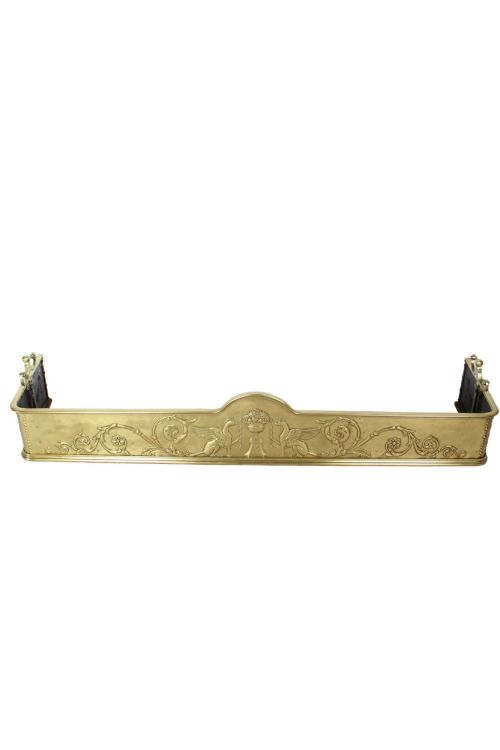
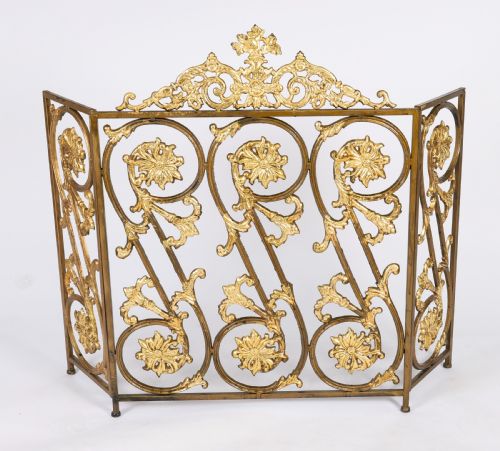
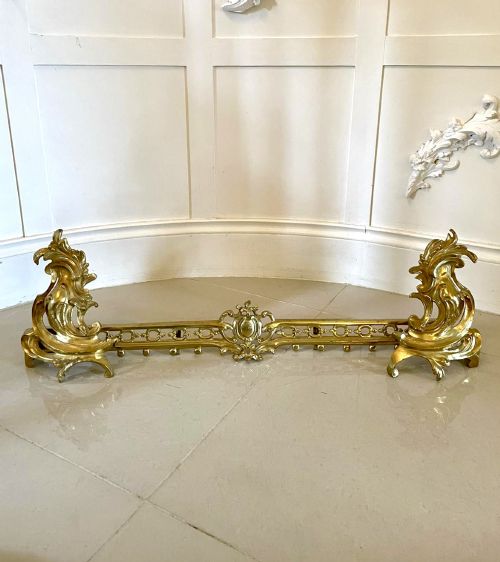
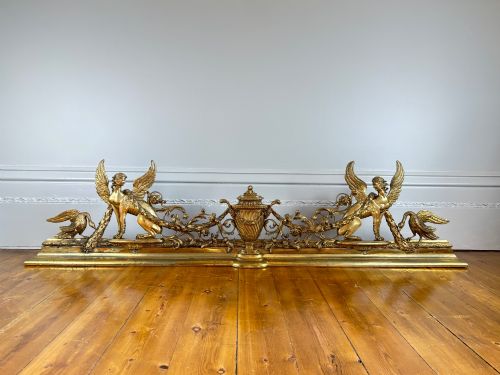
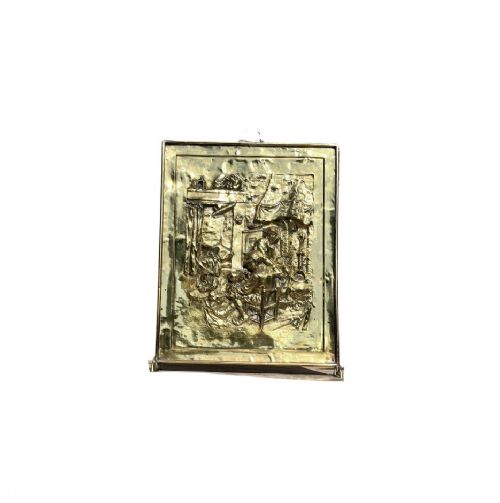
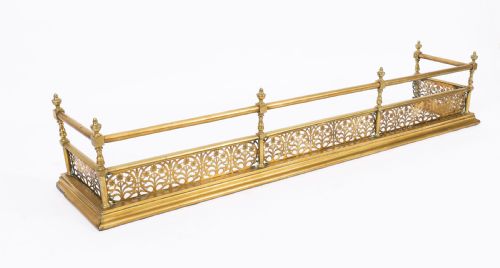
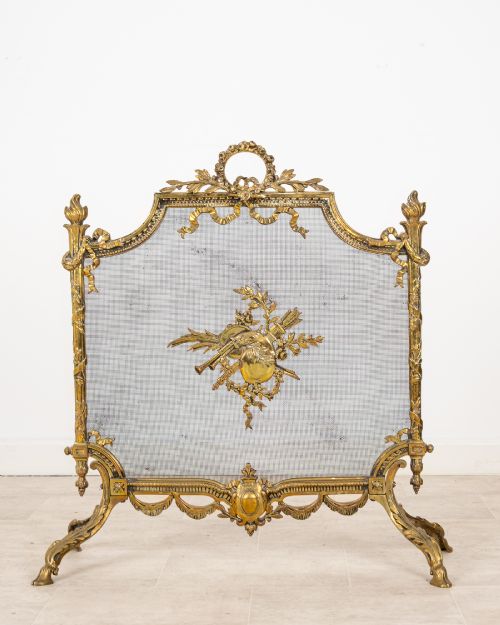
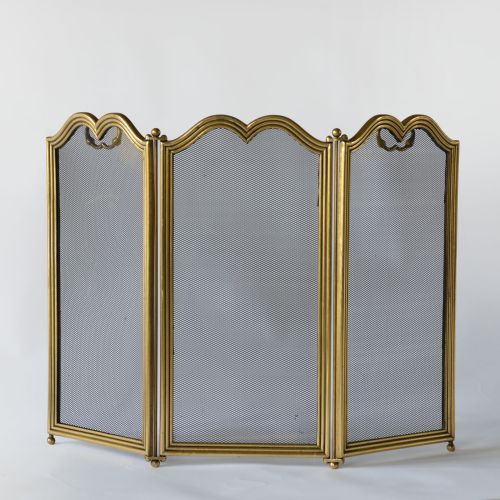
A gold brass hearth guard encompasses several distinct objects designed for the fireplace, ranging from expanding fenders and kerbs to folding wire mesh spark guards and decorative fire screens. These pieces serve both a practical function in containing embers and a decorative role in finishing the fireplace setting during periods when fires are unlit.
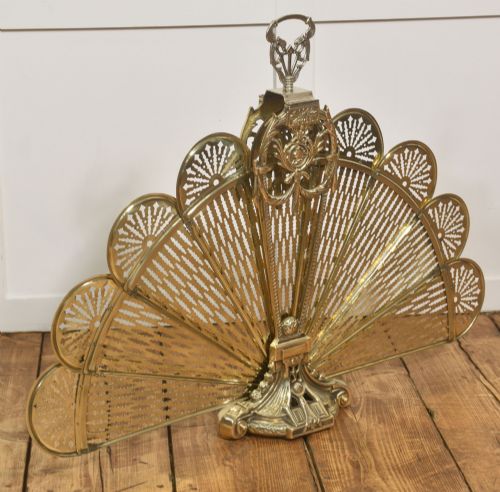
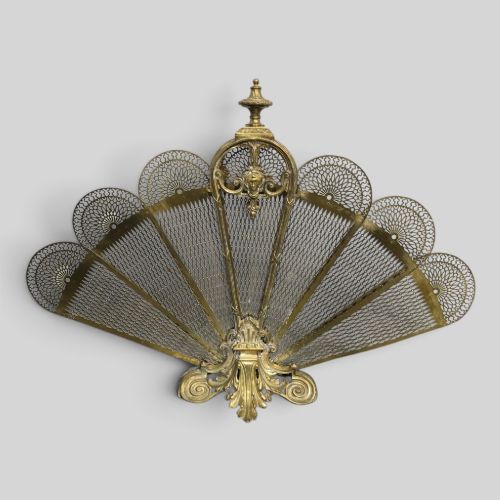
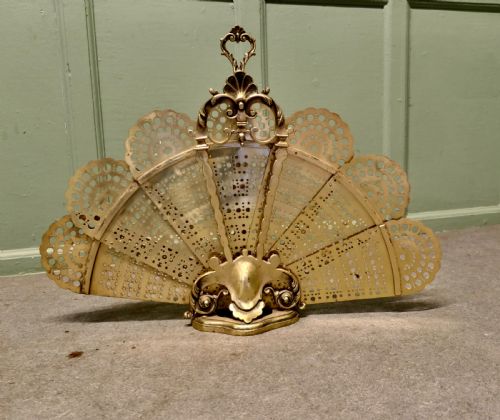
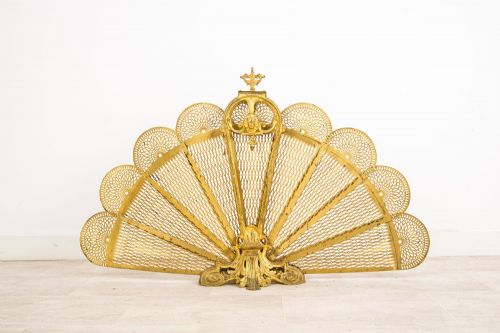
Buyers exploring this selection will frequently encounter Victorian and Edwardian examples alongside French revival designs from the nineteenth century. Forms vary from simple pierced kerbs and tripartite folding screens to elaborate peacock fan screens and heavy cast metal fenders.
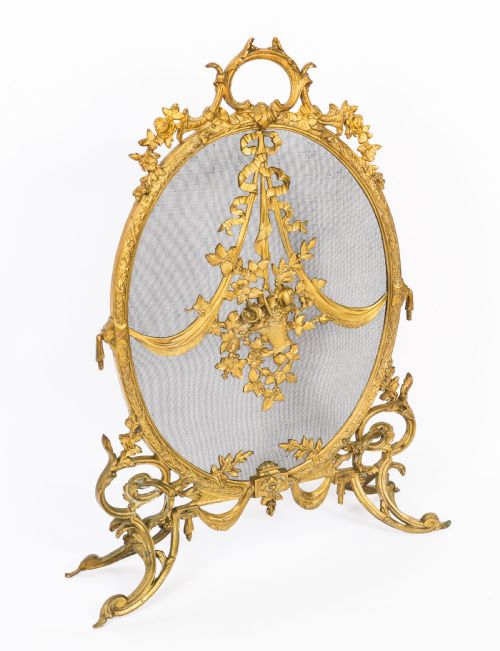
The materials span standard brass and gilt brass alongside ormolu and gilt bronze, often paired with wire mesh, iron, or bronze elements. French Rococo revival and Louis style pieces dominate the ornamental side, while Arts and Crafts and Edwardian items offer alternative decorative vocabularies.
Markers of Quality and Craft
Quality reveals itself in the crispness of the casting and the depth of the chasing on gilt bronze and ormolu mounts. Finer pieces display substantial metal gauge and careful hand-finishing, whereas simpler items rely on stamped sheet brass.
The complexity of the mechanism dictates the standard in extending fenders and folding peacock screens, where smooth articulation and robust hinges separate superior examples from standard production. Heavier weight and meticulous piercing indicate higher workshop standards across Victorian and French revival output.
Gold Brass Hearth Guard Retail Price Guide 2026
Typical asking prices for gold brass hearth guard among the pieces listed under this phrase on Sellingantiques today, from the lower quarter to the upper quarter. They describe what is for sale here now, not the wider market.
Peacock fan screens fan out gracefully to transform a dull summer hearth into a gleaming golden tail.
E F Caldwell New York
The Gold Brass Hearth Guard Glossary
- Ormolu
- Finely chased gilt bronze utilised for decorative mounts and frames on nineteenth-century hearth furnishings. The technique involves applying a gold amalgam to bronze before heating.
- Fender
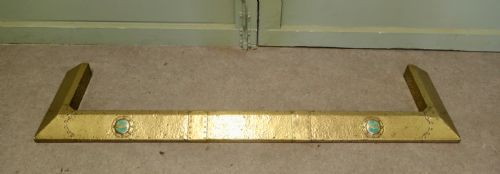
- A low metal guard placed on the hearth around the fireplace opening to contain ash and rolling embers. They frequently feature extending bars or pierced decorative kerbs.
- Spark guard
- A protective mesh screen placed before an active fireplace to catch escaping sparks and cinders. These are often built with folding panels for adjustable coverage.
- Fire screen
- A decorative panel placed in front of the fireplace opening when the hearth is not in use. Styles range from flat framed panels to expanding peacock fan designs.
Gold Brass Hearth Guard: Frequently Asked Questions
What is a hearth guard used for?
Hearth guards protect the room from stray sparks and hot embers escaping an open fireplace. They also serve a decorative purpose, dressing the fireplace opening when the fire is unlit.
Different designs offer varying levels of enclosure, from low floor-level fenders to tall folding screens and spark guards.
How do I identify French revival styles?
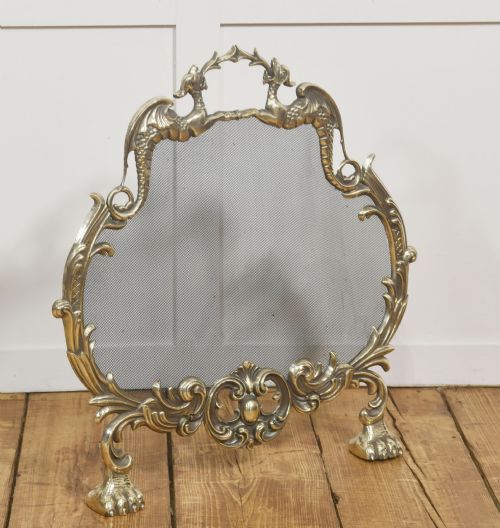
French revival pieces often exhibit elaborate Rococo, Louis XV, or Louis XVI motifs such as floral garlands, musical trophies, and asymmetrical scrollwork. These items frequently employ gilt bronze or ormolu.
Victorian British pieces tend to feature heavier pierced brass work or simpler geometric designs alongside the popular peacock fan configurations.
What is the difference between a fender and a screen?
A fender sits flat on the floor around the perimeter of the hearth to contain logs and ashes. Some versions feature adjustable extending bars to fit different fireplace widths.
A fire screen stands upright in front of the opening to block radiant heat or hide the empty grate during warmer months.
How should I clean polished brass?
Polished brass and gilt surfaces require gentle dusting with a soft cloth to prevent the accumulation of soot and grime. Avoid abrasive cleaners that can wear away thin gilt layers or historical patina.
Preserving the original surface finish ensures the metal retains its intended character over time.