
Antique Hearth Curb
An antique hearth curb frames the fireplace with metalwork that keeps embers contained while anchoring the room's decorative scheme.
What an antique hearth curb is
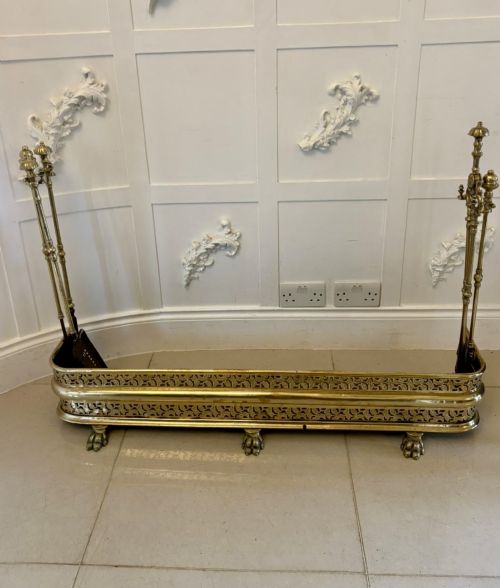
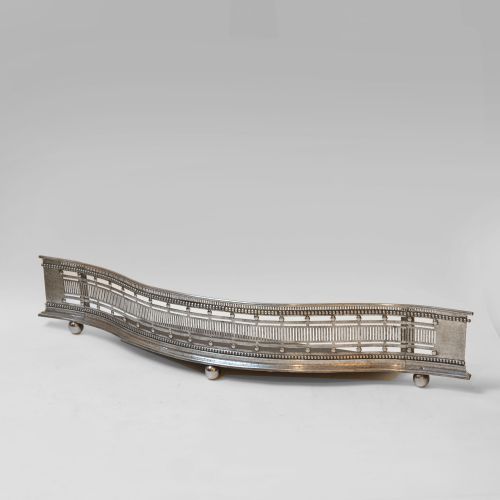
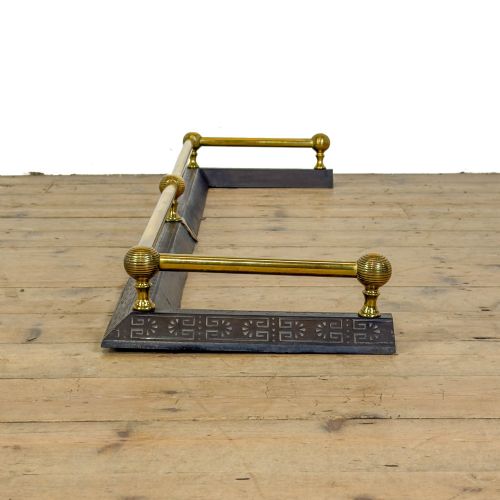
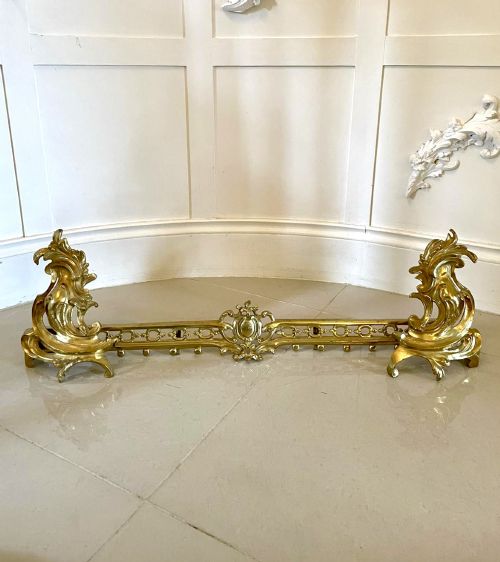
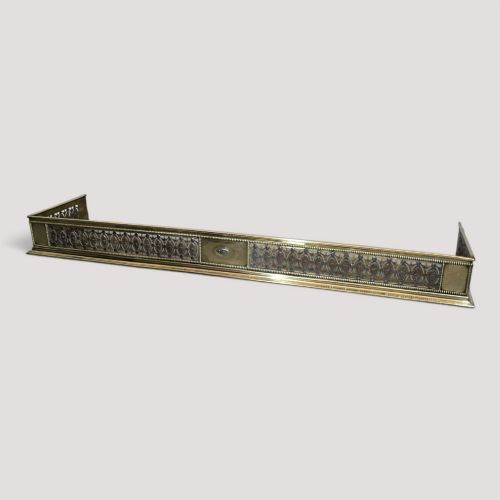
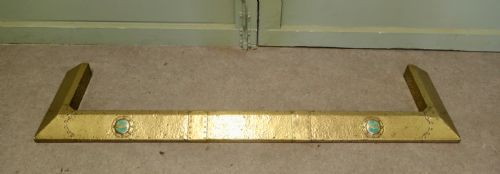
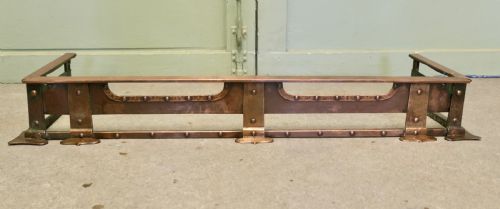
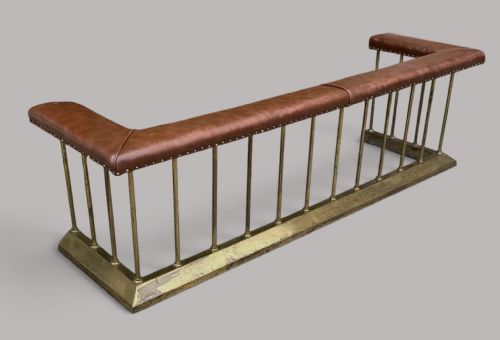
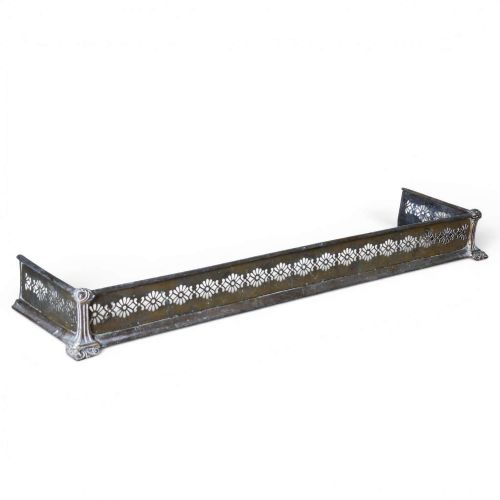
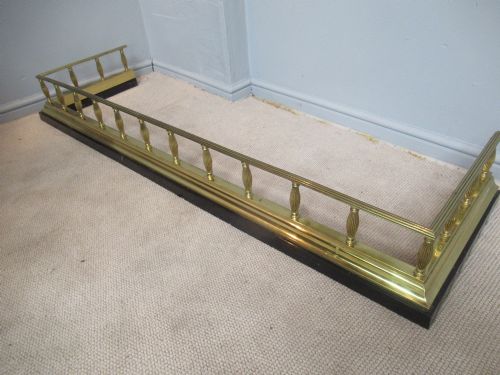
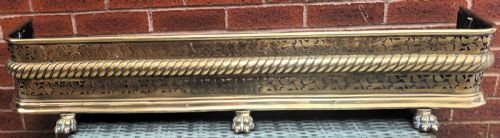
An antique hearth curb sits directly on the floor around the opening of an open fire, serving as a physical barrier against rolling logs and falling sparks. The examples collected under the term antique hearth curb on this page include fireplace fenders and fireplace accessories created during the Victorian, Edwardian, and mid-nineteenth century periods.
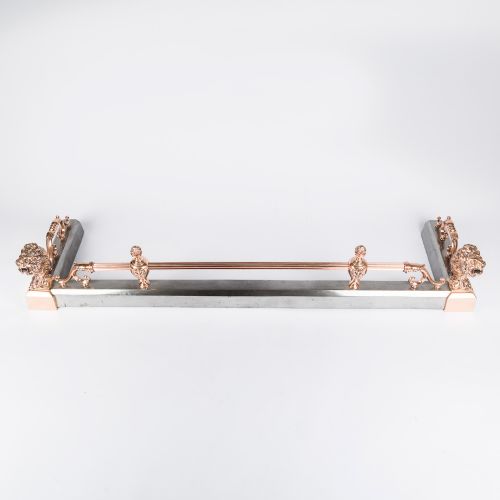
Buyers browsing this selection encounter forms spanning standard brass designs to combinations of iron and steel. These pieces originate from the nineteenth and early twentieth centuries, capturing the shift from utilitarian ironwork to ornate domestic brass display.
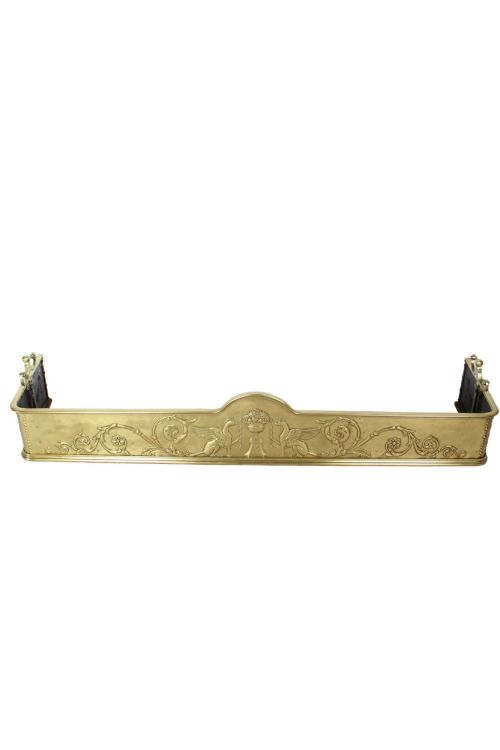
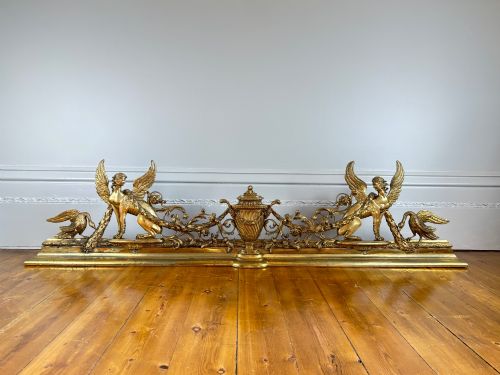
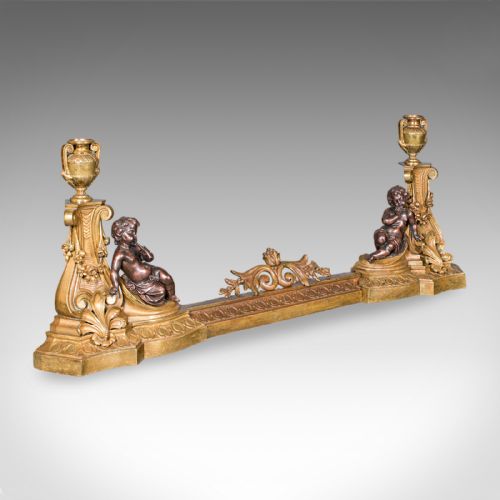
The prevailing items present distinct stylistic treatments, from restrained spindle layouts to heavy neoclassical castings and grand Regency influences. Each version provides a low metal border designed to fit the hearth floor precisely.
How they were made
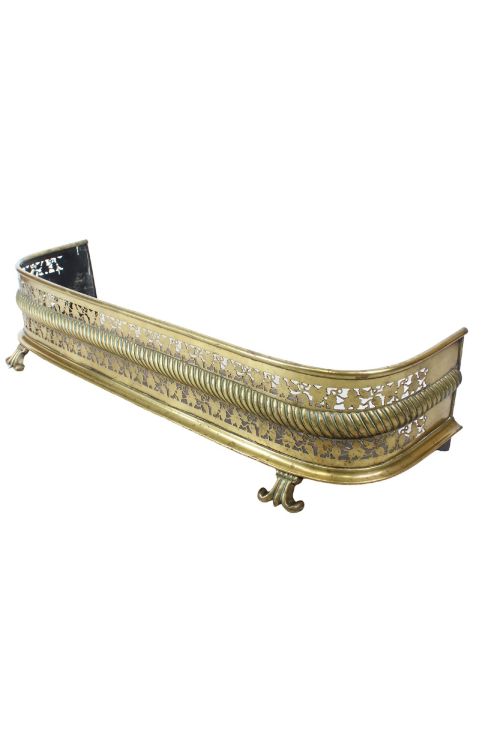
The makers of these items relied on combinations of brass, iron, and steel, shaping the metals through casting, forging, and assembly. Heavy brass sections were cast into rigid forms, while iron and steel components provided structural integrity and contrasting colour.
Decorative details such as garlands and spindles were applied directly to the main body of the fender through riveting or soldering. Finished surfaces balanced the bright polish of brass against the darker, heavier tones of forged steel and iron.
Retail Price Guide 2026
Typical UK retail prices for hearth curb, calculated from the Sellingantiques database of over a million retail prices indexed since 2003. This retail price guide relies exclusively on Sellingantiques data; no external sources or auction records are used, so the figures do not describe the wider market.
Some curbs come equipped with integrated brass fire irons, ready for the nineteenth-century coal scuttle.
What varies in quality
The distinction between ordinary production and superior work lies in the weight of the metal and the crispness of the cast ornament. Heavier sections of brass and steel indicate a more substantial investment of material, which resists the warping heat of the hearth over decades of use.
Refinement in quality shows in the execution of decorative elements like cast garlands and turned spindles, where sharp detailing replaces soft, mass-produced edges. The integration of matching fire irons alongside the fender further elevates the composition of a piece.
The Antique Hearth Curb Glossary
- Fender
- A low metal guard placed around the hearth to contain coals and sparks. This forms the primary object category for the search.
- Spindle
- A turned or shaped vertical metal rod used in a decorative railing pattern. Spindles appear frequently in Victorian designs.
- Neoclassical
- A decorative style drawing on classical Greek and Roman motifs. Pieces in this style feature formal symmetry and classical ornament.
- Garland
- A carved or cast ornament representing a festoon of flowers or leaves. These motifs decorate the surface of heavier brass pieces.
Frequently Asked Questions
What is an antique hearth curb used for?
An antique hearth curb acts as a physical boundary between an open fireplace and the room, stopping rolling embers and hot coals from damaging flooring.
Beyond safety, these metal frames define the perimeter of the fireplace, often incorporating slots or rests for companion fire irons.
How do I measure for a fender?
Measure the width and depth of your hearth floor carefully, leaving adequate clearance for the fireplace opening and any surrounding stone or tile.
Note that older curbs come in fixed dimensions, such as larger four-foot-six configurations, meaning the hearth space must accommodate the exact footprint of the iron or brass border.
What metals are used in these pieces?
These items are constructed primarily from brass, iron, and steel, often combined in a single piece to contrast bright metalwork with darker structural elements.
Victorian and Edwardian makers utilised cast brass for ornamental sections while employing iron and steel for strength and durability.
How do I date a brass fender?
Dating relies on stylistic clues, such as the heavy neoclassical castings of the Victorian era or the lighter, distinct proportions typical of Edwardian manufacture.
Material choices also offer guidance, as mid-nineteenth-century examples frequently pair raw steel with polished brass before fully brass-clad designs dominated later decades.