



Period Fire Guard
These period fire guard designs range from Regency brass and wirework to Victorian iron and steel, protecting rooms while anchoring the hearth.
Period Fire Guard
A period fire guard serves as a protective barrier before the hearth, keeping stray embers contained while framing the fireplace. When searching for a period fire guard, buyers encounter a mix of fireplace accessories, fenders, and guards spanning Georgian, Regency, Victorian, and Edwardian eras.
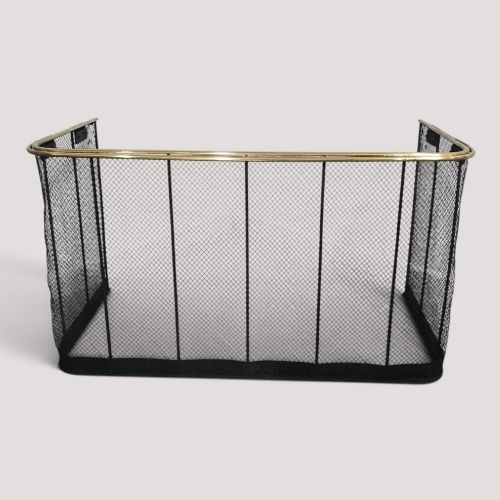
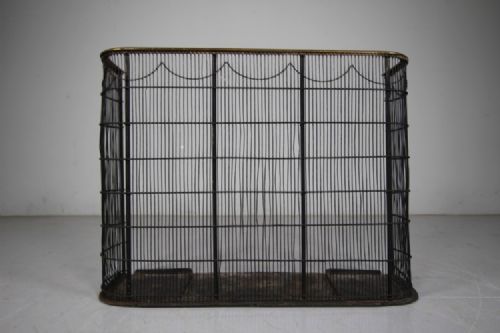
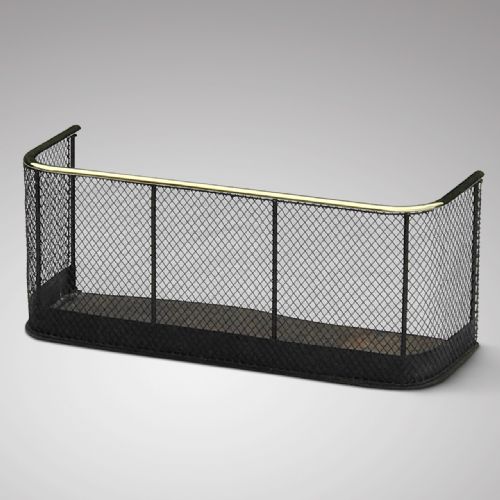
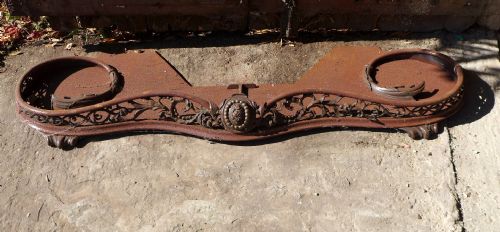
The most common forms on this page include brass and steel fireguard fenders alongside wire-mesh nursery guards and heavy hearth fenders. These pieces combine practical safety functions with decorative metalwork suited to period interiors.
Originating across the nineteenth and early twentieth centuries, these metalwork items reflect the domestic priorities of their respective decades. From serpentine steel hearths to brass-railed Victorian designs, each piece demonstrates period craftsmanship tailored for coal and wood fires.
Materials and construction methods
Makers utilised durable metals including brass, cast iron, wrought iron, and steel to fabricate these hearth accessories. Iron wire and wire mesh were frequently woven to create lightweight yet sturdy screens that allowed warmth to pass through while blocking sparks.
Construction techniques involved casting, forging, and cutting steel, often paired with polished brass top rails or scrolled ornamentation. These methods ensured the metalwork could withstand intense hearth heat while maintaining structural integrity over generations of domestic use.
Listings feature items spanning Georgian, Regency, Victorian, and Edwardian periods, constructed in brass, steel, iron, and wire mesh.
Distinctions in quality
Quality in these hearth furnishings rests upon the heaviness of the metal gauge, the precision of the wirework, and the crispness of any cast or cut-steel detailing. Pieces with substantial brass frames or intricate serpentine steel shaping represent higher levels of period craftsmanship.
Artistry in assembly, such as secure joints and well-finished brass rails, separates standard domestic utility items from finer decorative examples. The presence of balanced proportions and thoughtful detailing indicates superior workshop production.
The Period Fire Guard Glossary
- Fireguard
- A protective screen placed in front of an open fireplace to contain sparks and ash. They often incorporate wire mesh or metal bars for visibility.
- Fender
- A low metal frame placed on the hearth around the base of a fireplace. They contain falling embers and frequently incorporate supports for fire irons.
- Serpentine
- A gently curved outline resembling a snake's movement, seen on Georgian and Regency hearth fenders. This shaping adds visual depth to the metal front.
- Wirework
- Metal construction utilising interwoven or twisted wire, common in lighter nursery guards. It provides an effective barrier without obscuring the fire.
- Cast Iron
- Iron poured into a mould to create rigid, ornate components. It offers high heat resistance and sturdy weight for hearth accessories.
Period Fire Guard: Frequently Asked Questions
What is a period fire guard?
A period fire guard is a historical metal screen or fender designed to sit in front of an open hearth. These items protect flooring and occupants from stray sparks while adding decorative character to the fireplace.
Surviving examples range from simple wire-mesh nursery guards to substantial brass and steel fenders. They reflect the domestic safety needs and stylistic preferences of the Georgian, Regency, Victorian, and Edwardian eras.
How do I date a fire guard?
Dating relies on identifying the prevailing materials, construction techniques, and stylistic traits associated with specific eras. For instance, Regency pieces often feature specific brass and wirework combinations, whilst Victorian examples frequently employ cast iron and polished brass top rails.
Examining the manufacturing methods, such as cut-steel work or wire weaving, helps narrow down the period. Comparing the form to documented fireplace accessories of the same decade confirms the timeframe.
How were these guards used?
These metal guards were positioned directly in front of open fires to catch spitting coals and prevent burning embers from damaging carpets or hearth rugs. Wire-mesh variants, sometimes termed nursery guards, were particularly important for safeguarding children and pets in family rooms.
Heavier fenders also served to define the hearth boundary and keep fire irons organised. Many designs balanced this practical utility with decorative brass or steel presentation suitable for formal reception rooms.
How do I fit one to my hearth?
Selecting the correct piece requires measuring the width and depth of your hearth space to ensure the fender or guard sits securely around the fireplace opening. Consideration must be given to the clearance needed for fire irons and ash removal.
Freestanding guards and fenders simply rest on the floor surface without permanent installation. Checking dimensions against the specific proportions of your fireplace ensures a balanced fit.