





Antique Chimney Piece
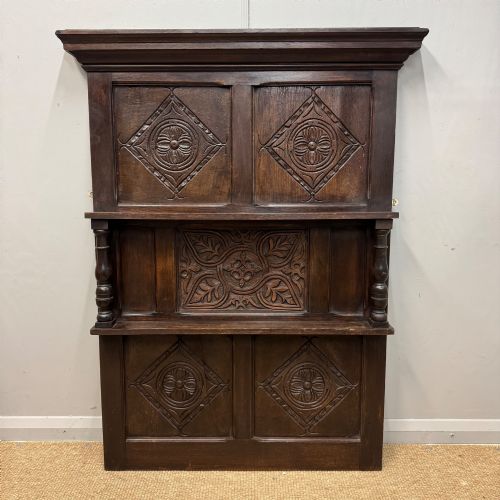
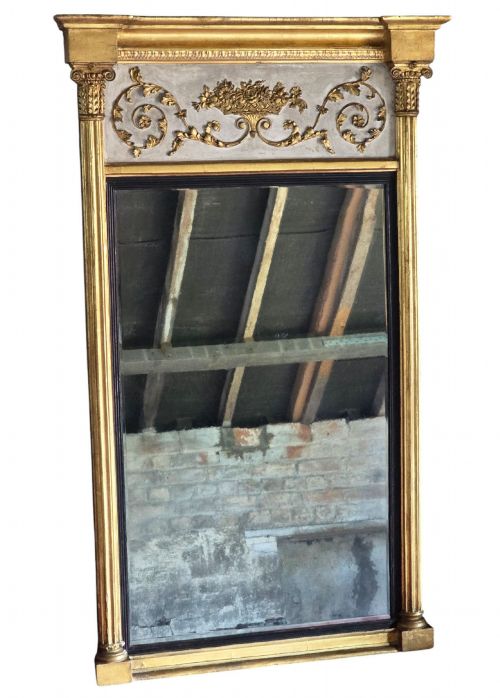
These antique chimney piece examples bring undeniable architectural presence to a room, ranging from grand carved timber surrounds to gilt mirrors designed to sit above the hearth.
Antique Chimney Piece
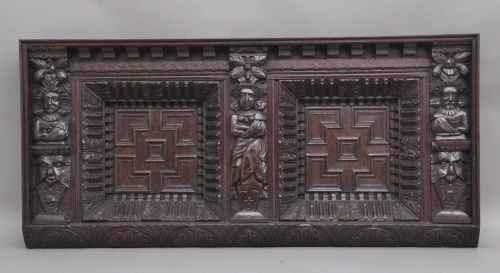
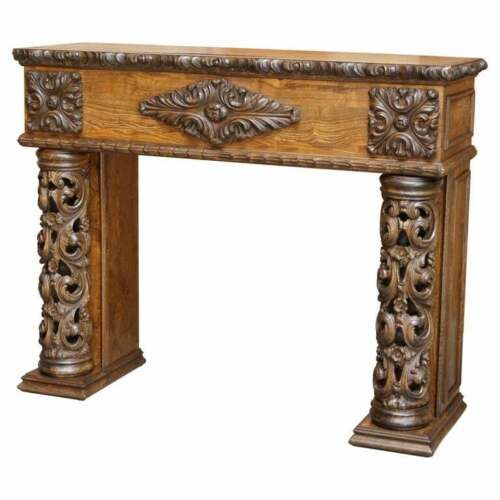
When you search for an antique chimney piece, you encounter architectural surrounds, overmantels, and mirrors dating from the seventeenth century through to the early twentieth century. The selection spans robust Georgian neoclassicism, Victorian Gothic revival, and earlier carved oak forms designed to anchor a principal room.
The objects gathered here include substantial fireplace surrounds carved from solid elm, mahogany, or oak, alongside giltwood mirrors and smaller mantel items. You are most likely to meet nineteenth-century timber surrounds and overmantel mirrors rather than seventeenth-century survivals, reflecting the broader availability of Victorian architecture.
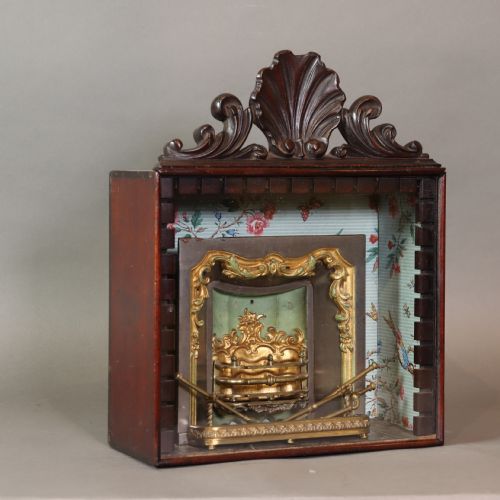
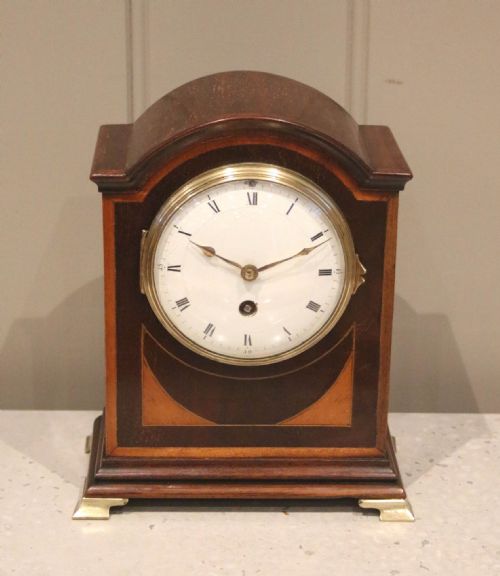
Beyond the structural fireplace surrounds, the inventory encompasses related hearth furniture such as brass and iron miniatures, mantel clocks, and oil lamps. Each piece serves to furnish the fireplace zone with period character, whether through grand proportions or intricate decorative fretwork.
Materials and construction methods
Makers utilised dense timbers such as mahogany, oak, and solid elm for structural fireplace surrounds, employing deep hand-carving to create architectural mouldings and columns. Giltwood and gesso found application on mirrors and overmantels, where applied decoration provided reflective brightness above the hearth.
Surface treatments vary from polished hardwood and original paint to gilt and white framing. Joinery techniques and hand-carved fretwork define the construction of the larger wooden surrounds and panels seen across the periods.
Listings feature timber varieties including mahogany, oak, and solid elm alongside brass, glass, and giltwood elements spanning the seventeenth to twentieth centuries.
Assessing quality and craftsmanship
Depth and crispness of hand-carving separate standard architectural elements from finer examples, particularly in the rendering of foliage, columns, and classical motifs on timber surrounds. The integrity of original surfaces, whether period paint or giltwood, heavily influences the standing of a piece.
Proportion and scale dictate the visual impact of an overmantel or fireplace surround, with superior examples displaying balanced architectural composition and substantial material thickness.
Payne & Co London
The Antique Chimney Piece Glossary
- Overmantel
- A mirror or decorative panel designed to be placed directly above the mantelpiece. They often feature large glass plates and elaborate carved frames.
- Chimney piece
- The decorative framework surrounding a fireplace opening, including the mantel shelf and jambs. It forms the focal point of a period interior.
- Giltwood
- Timber that has been coated with fine gold leaf or gesso and gilt powder. This finish was widely utilised on eighteenth and nineteenth-century mirror frames.
- Fretwork
- Ornamental design created by cutting patterns through solid wood. It appears on Victorian mantelpieces and columns to add textural detail.
Antique Chimney Piece: Frequently Asked Questions
How do I choose the right size fireplace surround?
Measure the height and width of your fireplace opening carefully before considering a surround. Ensure the internal dimensions clear the iron grate while the external proportions suit the wall space.
Larger overmantels require high ceilings and substantial wall space to balance their visual weight properly within a room.
Are these fireplace surrounds suitable for modern working fires?
Many antique timber surrounds were designed to frame coal or wood-burning hearths, but wood requires careful clearance from modern high-heat inserts. Consult a specialist installer to check thermal clearances.
Some pieces serve primarily decorative or architectural purposes within a restored interior rather than housing an active fire.
How do I clean and maintain carved wooden mantels?
Dust carved wooden surfaces gently with a dry soft brush to prevent dirt from settling in the recesses of the hand-carved details. Avoid modern liquid polishes that can build up on historic finishes.
Wax applied sparingly to sealed timber helps nourish the grain without altering the original patina of the wood.
How do I date a Georgian versus a Victorian chimney piece?
Georgian examples often display restrained neoclassical symmetry, urn motifs, and precise architectural lines derived from classical proportions. They tend to use mahogany or pine with crisp, shallow carving.
Victorian pieces frequently show heavier revival styles, including Gothic or classical revival elements, often utilising deeper relief carving and bolder proportions.