


Acanthus Carved Fireplace
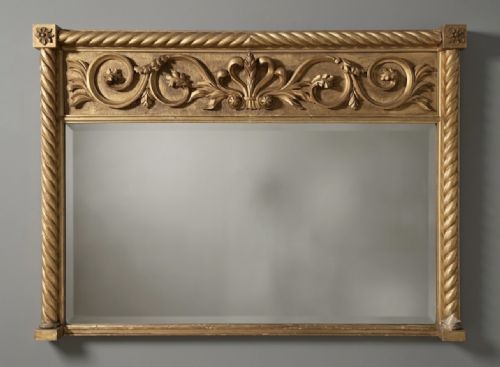
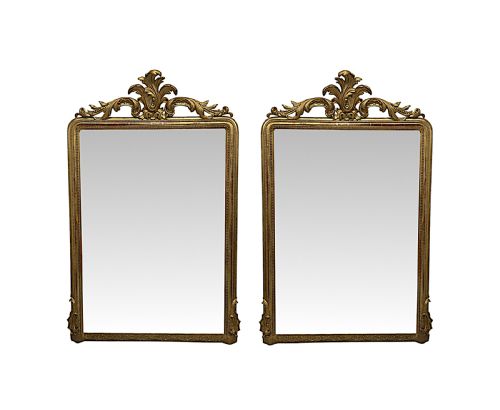
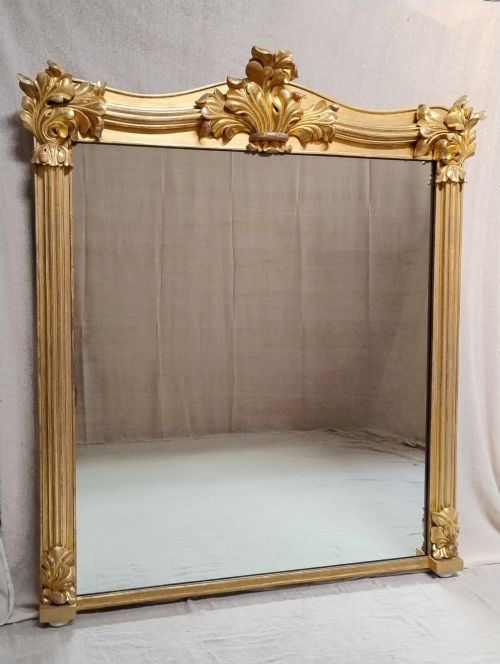
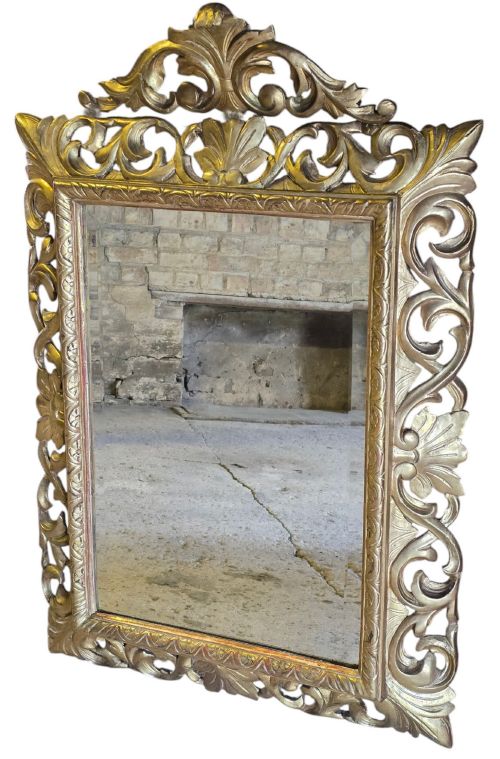
These acanthus carved fireplace pieces combine architectural presence with classical ornament, offering a grand focal point for a period interior.
Acanthus Carved Fireplace
When you search for an acanthus carved fireplace, you encounter large giltwood overmantel mirrors, architectural chimney piece surrounds, and related hearth furniture. The selections span the eighteenth century, the Victorian era, and the early twentieth century, showing English, French, and Florentine origins.
The dominant forms on this page are substantial wall mirrors designed to sit directly above a chimney breast, alongside solid mahogany fireplace surrounds and carved coal scuttles. These pieces utilise arched tops, shaped frames, and painted or gilded surfaces to dominate a room.
Makers and craftsmen applied classical leaf motifs directly to wood, gesso, and mahogany, creating deep relief ornament that frames hearths and walls. The pieces reflect Rococo Revival and Georgian tastes, utilising gold leaf and mirror glass to catch the light of a room.
Materials and construction methods
Carvers shaped solid wood and applied layers of gesso before gilding the surfaces with gold leaf. This combination allowed artisans to render crisp acanthus leaf scrolls and architectural mouldings that held their definition over centuries.
Mahogany provided a sturdy, dark timber base for hand-carved chimney piece surrounds, whilst softer woods served underneath gesso and giltwood frames. Mirror glass was set within these large arched or shaped surrounds to reflect light across nineteenth-century drawing rooms.
The listings on this site feature eighteenth and nineteenth-century pieces, spanning the Victorian era and utilising mahogany, gesso, and giltwood.
Assessing quality in carved hearth pieces
The crispness of the hand-carving separates standard work from superior examples, particularly in the depth and undercut of the leaf scrolls. Sharp, clean detailing in the wood or gesso indicates a skilled hand at the bench.
The integrity of the original gilding and the preservation of the antique mirror glass also determine the standing of a piece. Original gold leaf surfaces show a warm, mellow patina that mechanical or later regilding lacks.
The Acanthus Carved Fireplace Glossary
- Overmantel mirror
- A large wall glass specifically designed to hang above a mantelpiece. These frames often feature shaped or arched tops to match architectural proportions.
- Giltwood
- Timber covered with a thin layer of gold leaf over a prepared gesso ground. This technique creates a luminous metallic finish.
- Gesso
- A plaster-like mixture applied to wood surfaces as a base for gilding and fine relief carving. It allowed craftsmen to model sharp decorative details.
- Purdonium
- A decorative box or scuttle designed to hold household coal near a fireplace. Victorian examples frequently featured carved wooden fronts and brass handles.
- Rococo Revival
- A nineteenth-century design style drawing on eighteenth-century French motifs. It is characterised by C-scrolls, asymmetric forms, and abundant foliage.
Acanthus Carved Fireplace: Frequently Asked Questions
What is an overmantel mirror?
An overmantel mirror is a large decorative glass built to hang on the wall directly above a fireplace. It visually expands the room and reflects light from the hearth.
These pieces typically follow the horizontal or vertical proportions of the mantelpiece below them. In this collection, they often feature ornate giltwood frames and carved arched tops.
How do I date a carved fireplace surround?
Dating relies on examining the timber species, construction methods, and the style of the carved ornament. Georgian and Victorian pieces exhibit distinct design markers.
Tool marks on the reverse and the composition of the gesso underlayers also provide clear indications of age. Comparing the specific leaf motifs to known period styles helps narrow down the decade of manufacture.
Where should I place an overmantel mirror?
These mirrors belong centrally mounted on the chimney breast directly above the fireplace surround. Their scale allows them to anchor the surrounding wall space.
Ensure the fixings are secured safely into solid wall anchors due to the considerable weight of the wood and glass. Positioning them opposite a window maximises the reflection of natural light.
What is a purdonium?
A purdonium is a specialised Victorian coal container designed to sit neatly beside a fireplace. It kept domestic fuel out of sight while offering a decorative wooden exterior.
Many examples include a metal liner, a drop-down front, and a brass handle with a matching shovel. They combined functional utility with the ornate craftsmanship of the period.