


Dark Mahogany Mantelpiece
These dark mahogany mantelpiece items range from Georgian and Regency bracket clocks to Victorian and Edwardian fireplace surrounds and overmantel mirrors.
Dark Mahogany Mantelpiece
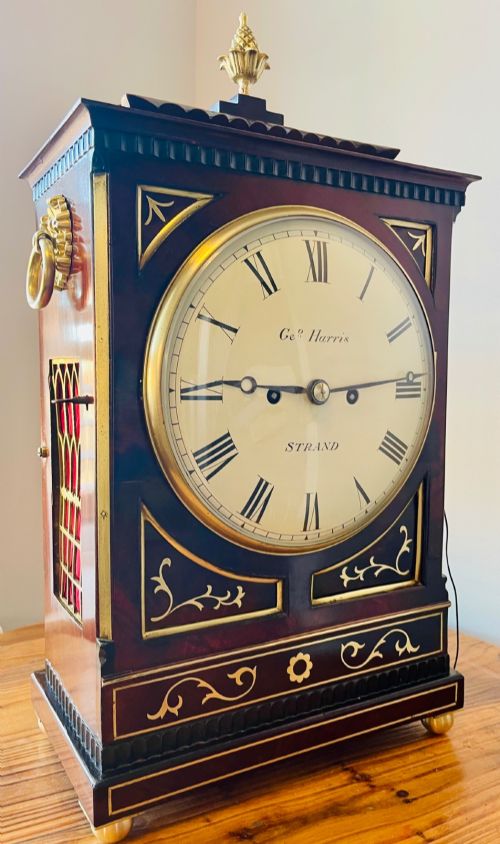
When you search for a dark mahogany mantelpiece, you encounter a selection spanning the Georgian, Regency, Victorian, and Edwardian periods. The items listed encompass timepieces such as fusee bracket clocks, mantel clocks, and library clocks, alongside structural elements like fireplace surrounds, chimneypieces, and overmantel mirrors.
The objects serve dual decorative and functional roles within period interiors, combining architectural woodwork with horological instruments or polished mirror glass. Most examples date from the nineteenth and early twentieth centuries, reflecting the enduring popularity of dense, dark tropical timbers in domestic architecture.
How they were made
Makers utilised solid mahogany and Cuban mahogany veneers over secondary timbers, often incorporating hand-carved details and applied mouldings. Woodwork was polished to a deep, dark lustre that highlighted the natural grain of the timber.
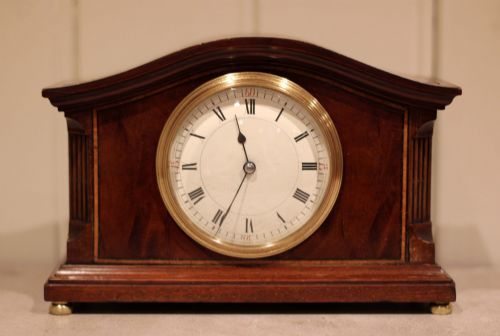
Horological pieces combined mahogany cases with brass bezels, glass dials, and precision fusee movements. Fireplace surrounds and overmantel mirrors integrated large sheets of bevelled or plain mirror glass secured within heavy timber frames.
Materials in these listings include mahogany, glass, brass, silk, oak, bone, wood, and boxwood.
What varies in quality
The distinction between standard production and superior examples lies in the crispness of the hand-carved ornament and the selection of the mahogany timber. Pieces exhibiting dense figuring, such as Cuban mahogany, and deeply undercut carving represent higher standards of craftsmanship.
Mechanical integrity and the survival of original components govern the standing of clocks and mirrors. Surviving fusee movements by known makers and original glass plates elevate the status of an object above mass-produced alternatives.
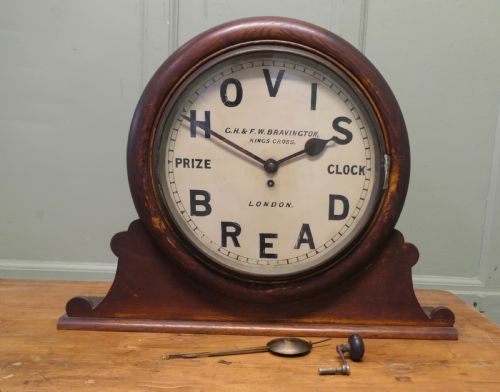
G.H & F.W Bravington London·Sir Edwin Lutyens·Winterhalder and Hofmeier·Fatton Eleve de Breguet London
The Dark Mahogany Mantelpiece Glossary
- Mantelpiece
- A decorative framework surrounding the opening of a fireplace, often matching the surrounding overmantel mirror.
- Fusee
- A conical pulley used in clockmaking to maintain even tension on the mainspring as it unwinds, ensuring accurate timekeeping.
- Bracket clock
- A portable household clock originally designed to sit on a bracket or shelf, frequently housed in a mahogany case.
- Overmantel mirror
- A large mirror designed to hang directly above the mantelpiece, reflecting light and the interior space.
- Chimneypiece
- Another term for a fireplace surround, incorporating the mantel shelf and jambs.
Dark Mahogany Mantelpiece: Frequently Asked Questions
What is a fusee clock?
A fusee clock uses a conical pulley system to equalise the power of the mainspring as it runs down. This mechanism provides consistent force to the gear train for better accuracy.
Such movements are typically found in higher quality British clocks from the Regency and Victorian eras.
How do I date a mahogany fireplace surround?
Dating relies on the prevailing style of the period, ranging from the classical proportions of Georgian design to the elaborate carving of Victorian pieces. The choice of timber grain and secondary woods also offers clues to the age.
Later Edwardian and Art Nouveau examples introduce cleaner lines or stylised motifs while retaining the traditional dark mahogany finish.
Where were overmantel mirrors placed?
These large mirrors were hung on the wall immediately above the fireplace mantel shelf. They were positioned to reflect the light from fires and windows into the room.
Many incorporate mahogany frames designed to match the architectural joinery of the surrounding mantelpiece.
What distinguishes Cuban mahogany?
Cuban mahogany is a dense, heavy hardwood prized for its rich colour and intricate grain patterns. It was frequently utilised in high-end Regency and nineteenth-century furniture and clock cases.
Over time, the timber develops a deep patina that characterises antique pieces.