
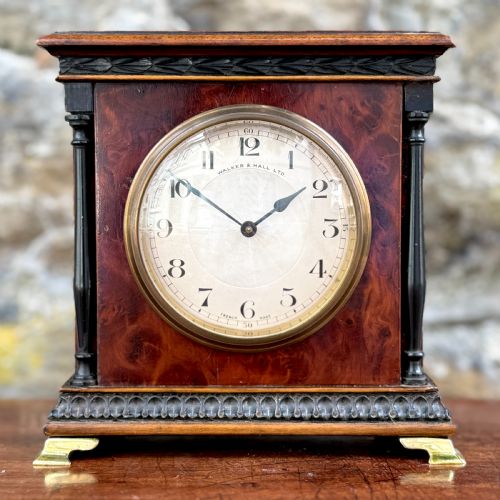


Carved Mahogany Mantelpiece
A carved mahogany mantelpiece grounds a room with deep timber grain and period detail, offering a stately focal point that anchors any traditional interior scheme.
Carved Mahogany Mantelpiece
When you search for a carved mahogany mantelpiece, you encounter architectural woodwork designed to frame a fireplace, alongside overmantel mirrors and timepieces fashioned from the same timber. These pieces span the Victorian, Edwardian, and Regency eras, reflecting diverse aesthetic movements from Gothic Revival to Art Nouveau.
The selections on this page lean heavily toward Victorian and Edwardian fireplace surrounds, large overmantel mirrors, and mantel clocks. You will find substantial architectural chimney pieces alongside smaller wall mirrors and bracket clocks, all sharing a foundation in rich mahogany.
Originating from periods of skilled cabinet-making, these items serve both functional and decorative purposes within period properties. The forms range from simple domestic surrounds to monumental architectural commissions designed by notable architects.
Materials and construction methods
Mahogany forms the primary structural and visual medium across these pieces, frequently supplemented by burr walnut veneers, ebonised wood details, and brass or bone accents. Timber selection focused on rich grain patterns and deep natural tones, which were polished to a warm lustre.
Hand-carved ornamentation defines the ornamentation, utilising traditional chisels and gouges to shape intricate foliage, mouldings, and architectural motifs directly into the solid wood. Mirror plates, glass, and brass fittings were integrated meticulously into the frames of the overmantel mirrors and clock housings.
Listings feature 19th Century, Victorian, Edwardian, and 1920s periods, utilising mahogany, burr walnut, brass, and ebonised wood across mirrors and fireplace surrounds.
Measures of quality and craftsmanship
Depth and crispness of the hand-carving separate standard production items from exceptional works of craftsmanship. Superior pieces exhibit undercut foliage and finely rendered architectural details that catch the light and demonstrate the carver's total command of the timber.
The integrity of the mahogany timber and the complexity of the architectural composition dictate the standing of a piece. Finer examples integrate secondary materials like burr walnut or ebonised wood with precision, maintaining structural balance and harmonious proportions.
Sir Edwin Lutyens·Walker and Hall·Purvis of London·Christie of Perth
The Carved Mahogany Mantelpiece Glossary
- Chimneypiece
- An architectural surround framing the fireplace opening, often incorporating a mantel shelf and elaborate carved ornamentation. These structures form the principal focal point of a period room.
- Overmantel mirror
- A large looking glass designed to hang or stand directly upon the mantel shelf above a fireplace. They frequently mirror the architectural style of the surround below.
- Pier overmantle
- A specific mirror type proportioned to sit against the wall pier between windows or above a fireplace mantel. They combine substantial wooden framing with bevelled or flat glass plates.
- Bracket clock
- A portable household clock, historically designed to sit on a bracket or table, housed within a decorative wooden case. These often feature brass dials and intricate movement mechanisms.
- Ebonised wood
- Timber treated with a chemical or stain to imitate the dense, dark appearance of ebony. It provides stark contrast against lighter mahogany sections.
Carved Mahogany Mantelpiece: Frequently Asked Questions
How do I date a mantelpiece?
Dating relies on identifying the prevailing stylistic movements, such as Victorian Gothic Revival or Edwardian classicism, visible in the carved motifs and overall proportions. Examining the specific timber varieties and secondary materials like brass or ebonised wood also aids attribution.
Construction methods, including joinery and backboards, offer further clues to the manufacturing era. Comparing the piece to documented works from makers of the period helps narrow the timeframe.
How were overmantel mirrors used?
Overmantel mirrors were mounted directly above the fireplace mantel shelf to bounce natural light around the room and visually expand the interior space. They served as primary decorative statements in formal Victorian and Edwardian reception rooms.
Their substantial mahogany frames matched the architectural woodwork of the chimney piece below, creating a cohesive visual scheme. They often held pride of place as the centerpiece of the room's interior design.
Where do mantel clocks go?
Mantel clocks sit primarily upon the flat shelf of a fireplace surround, serving both timekeeping and decorative functions. Their compact wooden cases allow them to anchor the space directly above the hearth.
Collectors also place these clocks on sideboards, brackets, or library tables where their detailed mahogany or burr walnut cases can be examined closely. They bring mechanical interest and warmth to smaller surfaces.