


Art Nouveau Mantelpiece
An art nouveau mantelpiece brings organic curves and floral motifs into a room, anchoring a hearth or a shelf with unmistakable period character.
Art Nouveau Mantelpiece
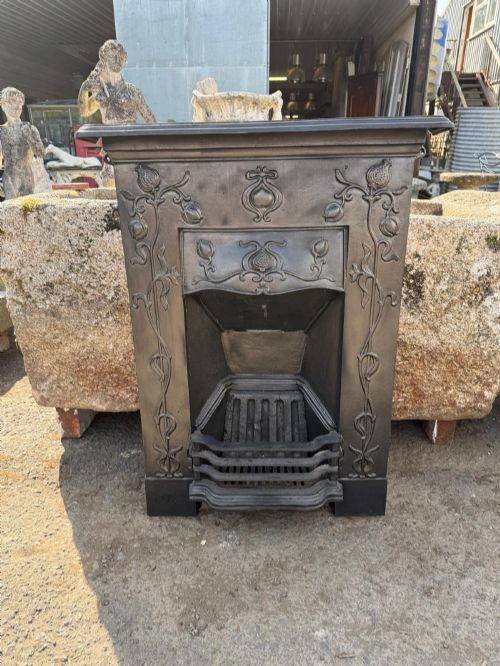
When you search for an art nouveau mantelpiece, you encounter items designed to frame a fireplace or sit upon a mantel shelf in the distinctive style of the era. The selection spans carved mahogany fireplace surrounds, cast iron combination fireplaces, and wooden overmantel mirrors.
The objects listed show the stylistic overlap between late Victorian, Edwardian, and early twentieth-century production. Mahogany and cast iron provide the structural framework for these domestic focal points.
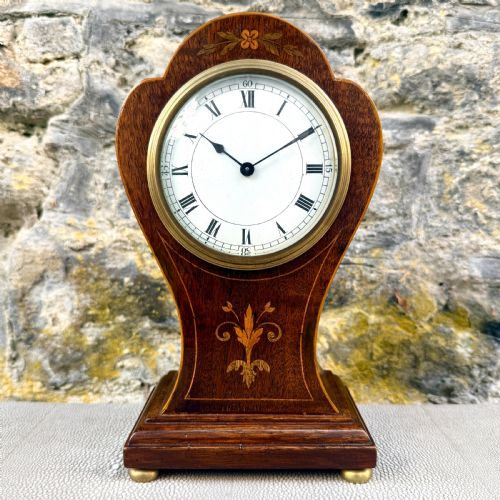
You are most likely to meet mantel clocks and fireplace surrounds, reflecting the domestic emphasis on decorative heating and timekeeping. These pieces utilise woods such as mahogany and satinwood alongside metals and ceramics.
How they were made
Makers utilised cast iron for structural hearth components, employing intricate moulds to achieve the characteristic whiplash lines and floral reliefs. Woodworkers shaped solid mahogany and satinwood for surrounds and clock cases, applying traditional joinery techniques.
Metalworkers incorporated brass, silver fronts, and spelter into clocks and decorative elements, often combining these materials with enamel or ceramic inserts. Glass and faience appeared in vases and vessel forms associated with the mantel display.
Materials documented across the selection include glass, mahogany, brass, ceramic, enamel, silver, wood, and cast iron.
What varies in quality
The distinction between standard domestic output and finer examples lies in the crispness of the casting and the depth of the woodwork carving. Superior pieces display fluid, hand-finished lines in cast iron and carefully selected timber grains in mahogany frames.
Integration of secondary materials such as silver cladding, enamel dials, or hand-painted ceramic plaques elevates a piece from simple utility to high decorative art. The handling of the organic motifs reveals the competence of the maker.
Royal Doulton·Royal Dux
The Art Nouveau Mantelpiece Glossary
- Spelter
- A zinc alloy frequently used as a substitute for bronze in decorative figures and clock mounts. It accepted patination and metallic paint finishes readily during the period.
- Faience
- Tin-glazed earthenware popular for decorative vases and architectural tiles. It provided a smooth surface for colourful floral designs.
- Overmantel mirror
- A large looking glass designed to hang directly above a mantelpiece. These often featured wooden frames matching the surrounding architectural woodwork.
- Combination fireplace
- A complete cast iron fireplace unit incorporating the mantel, surround, and grate in a single ensemble. They were widely installed in Edwardian and Victorian homes.
- Satinwood
- A lustrous hardwood with a golden yellow sheen utilised for fine cabinet work and clock cases. It brought brightness to interior decorative schemes.
Art Nouveau Mantelpiece: Frequently Asked Questions
How do I date an art nouveau mantelpiece?
Dating relies on the recorded materials, structural styles, and associated manufacturing marks. Pieces often reflect the transition from late Victorian production into the Edwardian era.
Examining the construction methods in the wood or cast iron helps narrow the period of origin alongside any visible maker stamps.
Where should I place an overmantel mirror?
An overmantel mirror traditionally hangs securely on the wall directly above a fireplace opening. This placement reflects light and balances the vertical volume of the hearth.
Ensure the wall fixings can support the weight of the timber frame and glass safely.
What materials are common in these fireplaces?
Cast iron forms the primary structure for functional grates and surrounds, offering durability and heat resistance. Mahogany and satinwood appear frequently in wooden surrounds and clock housings.
Decorative accents often incorporate brass, silver, ceramic, and glass elements.
How do I care for mahogany surrounds?
Maintain wooden surfaces by dusting gently with a dry, soft cloth to prevent particulate buildup. Avoid placing items that trap moisture directly on the timber grain.
Keep the wood away from direct heat sources to prevent warping or drying of the finish.