



Carved Timber Surround
A carved timber surround frames a room's focal point, bringing period character and substantial architectural presence to an interior.
Carved Timber Surround
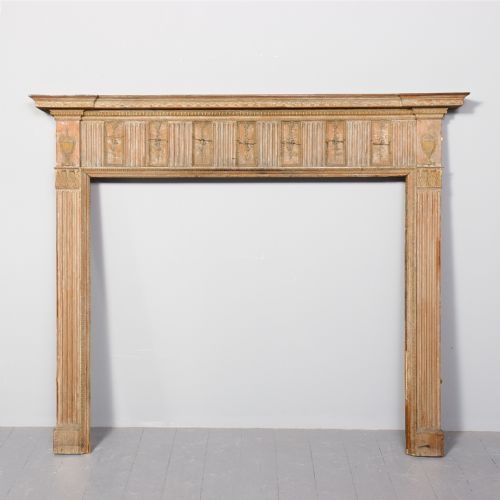
A carved timber surround acts as the structural and decorative frame for a fireplace, doorway, or window opening. The pieces gathered here span architectural salvage, mantelpieces, overmantles, and window frames.
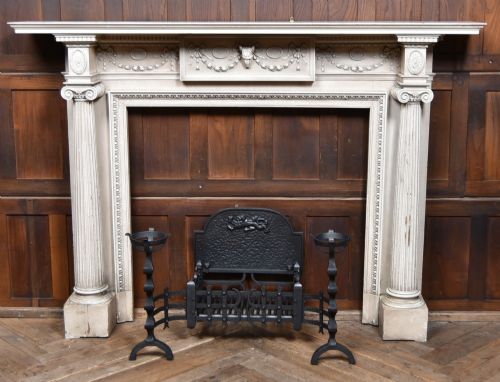
Most examples you encounter on this page take the form of fireplace surrounds and chimney pieces. These architectural fixtures originate across several centuries, encompassing Victorian, Georgian, Edwardian, and earlier eras.
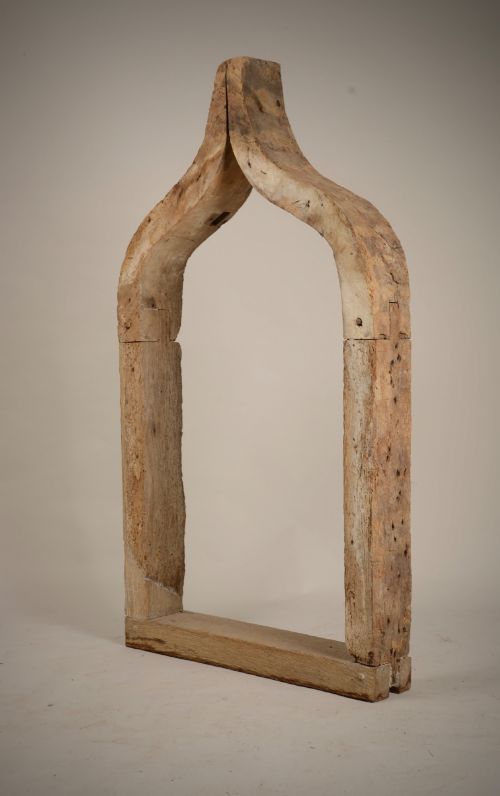
Makers and builders utilised these substantial wooden structures to anchor formal reception rooms and domestic interiors. The surviving inventory ranges from domestic pine mantelpieces to grand overmantles and medieval gothic frames.
Materials and construction methods
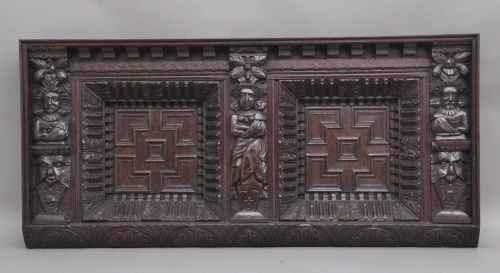
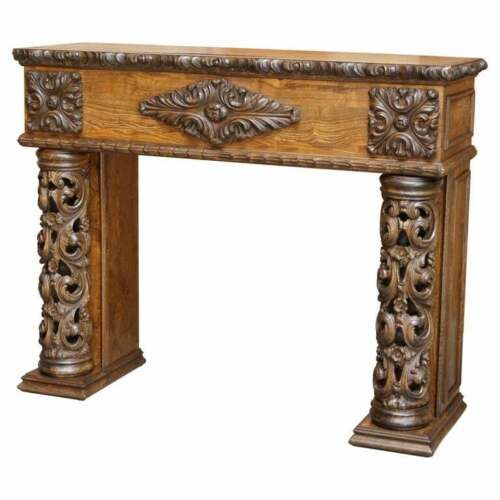
Carpenters and joiners worked with solid woods including pine, oak, mahogany, walnut, elm, and timber generally. These dense materials provided a stable base for deep hand-carving and architectural mouldings.
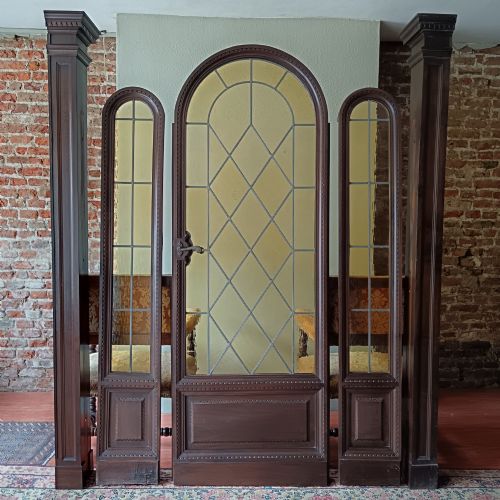
Details such as gesso enrichment, fretwork columns, and lead or iron elements appear alongside glass components in specific architectural configurations. Carvers shaped the timber using traditional hand tools to achieve high relief and intricate surface ornamentation.
Assessing quality in architectural woodwork
Depth and crispness of the hand-carved detail dictate the upper tier of quality within these architectural elements. Sharp relief work and balanced proportions indicate skilled workmanship during the period of manufacture.
The choice of primary wood and the integrity of the original construction separate standard domestic joinery from exceptional architectural statements. Cohesive integration of classical or revival styles adds substantial merit to an individual surround.
Sir Edwin Lutyens
The Carved Timber Surround Glossary
- Chimneypiece
- The complete architectural framework surrounding a fireplace opening, including the mantel shelf and jambs. This term often appears interchangeably with fireplace surround.
- Overmantle
- A decorative architectural piece designed to be fixed to the wall directly above a mantelpiece. These often incorporate panels, mouldings, or space for a mirror or painting.
- Gesso
- A plaster-like material applied to wood surfaces and carved or moulded into relief decoration. It provides a smooth base for subsequent gilding or painting.
- Fretwork
- Ornamental design executed by cutting intricate patterns through thin boards of wood. It creates a lace-like visual effect on friezes and column shafts.
- Architectural salvage
- Building elements and fixtures rescued from older structures slated for demolition or alteration. These components retain historic fabric and period craftsmanship.
Carved Timber Surround: Frequently Asked Questions
What is a carved timber surround?
A carved timber surround is a decorative architectural frame built around a fireplace, doorway, or window opening. These pieces serve both structural and aesthetic purposes in historic and period interiors.
Surrounds range from simple pine mantelpieces to elaborate mahogany chimney pieces and medieval frames. Each piece reflects the architectural style and woodworking techniques of its specific period.
Can these surrounds be installed in modern rooms?
Many buyers incorporate antique surrounds into contemporary settings to introduce warmth and architectural focal points. Careful measurement of the opening dimensions ensures proper proportion against modern walls.
Professional installation is often required to secure heavy timber structures safely to the wall. Adjustments by a skilled joiner may be necessary to fit existing hearths or flues.
How should I clean antique wood?
Maintenance involves gentle dusting with a soft, dry cloth to prevent the buildup of grime on carved surfaces. Avoid harsh chemical cleaners and modern polishes that can strip historic finishes and dry out the timber.
Applying a traditional beeswax helps nourish the wood and maintain a natural sheen. Professional conservationists can advise on treating more delicate elements like gesso or inlaid details.